Meeting of Members of the Ukrainian Nuclear Society with Interns of the Verkhovna Rada of Ukraine
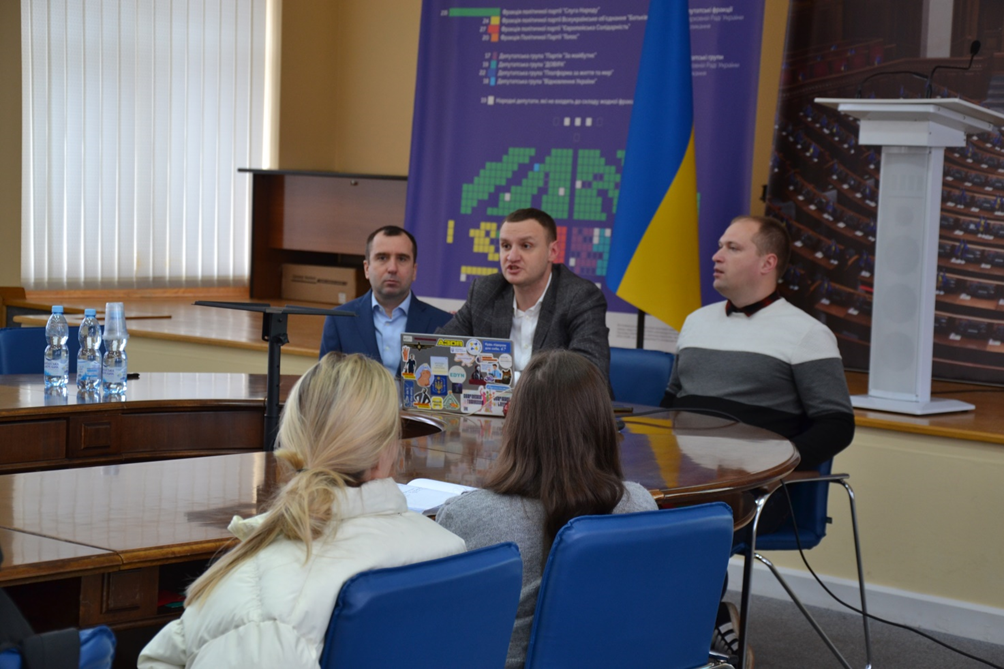
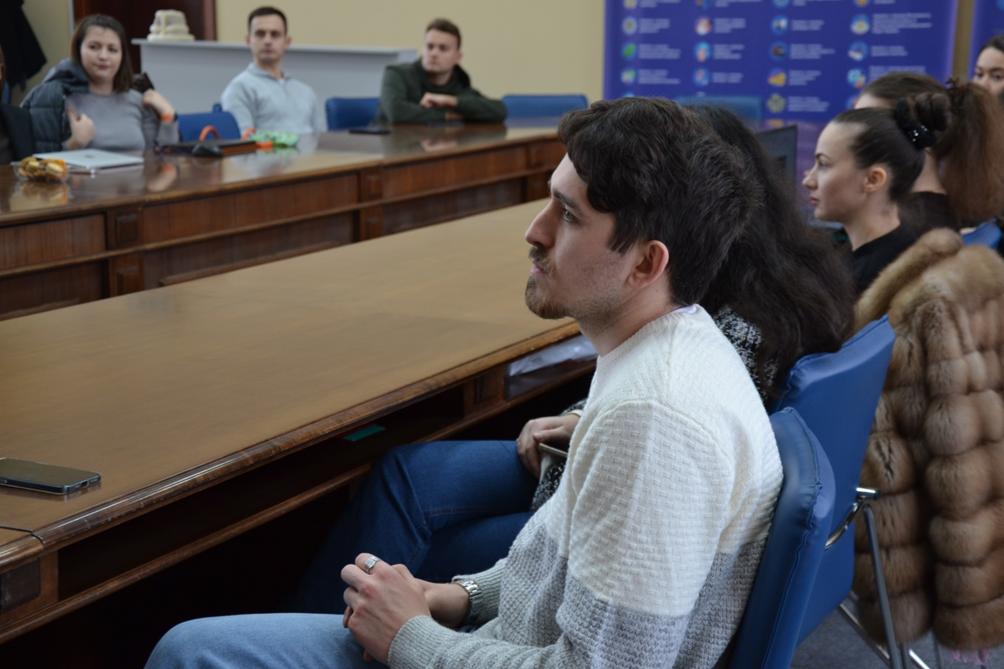
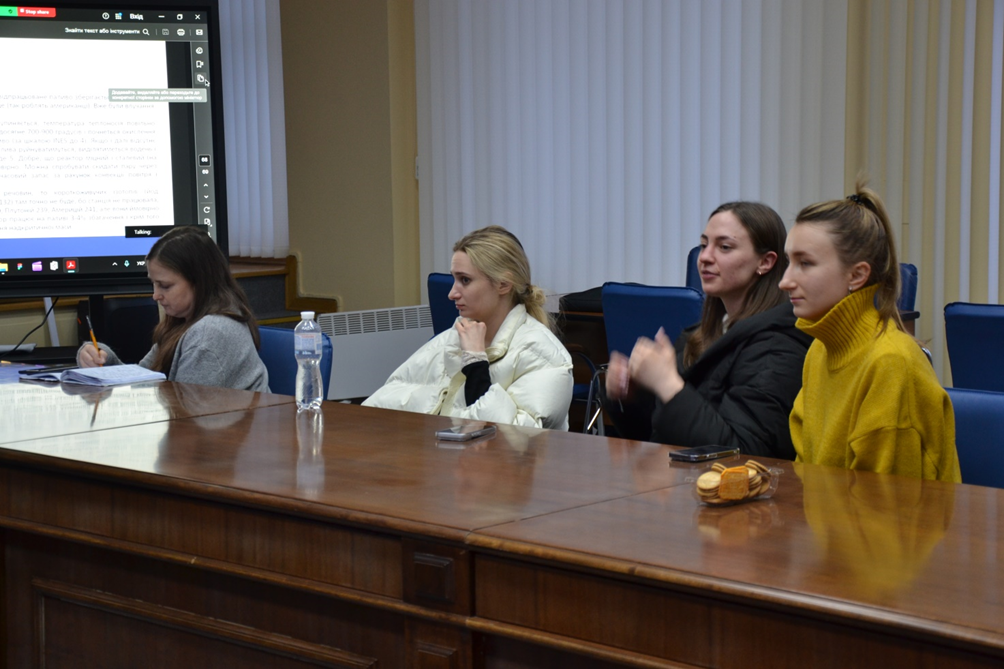
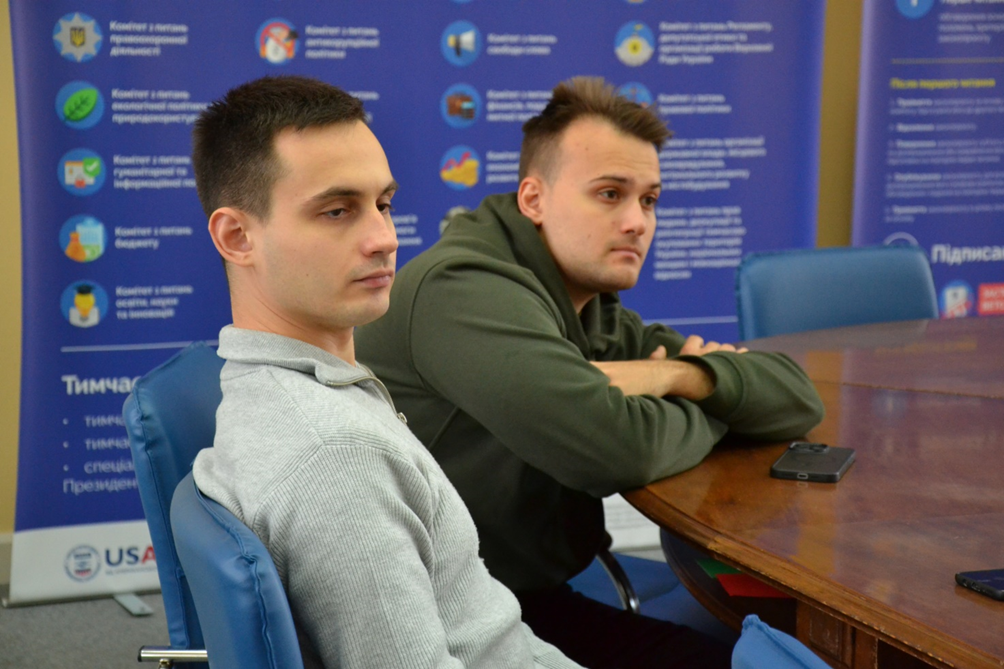
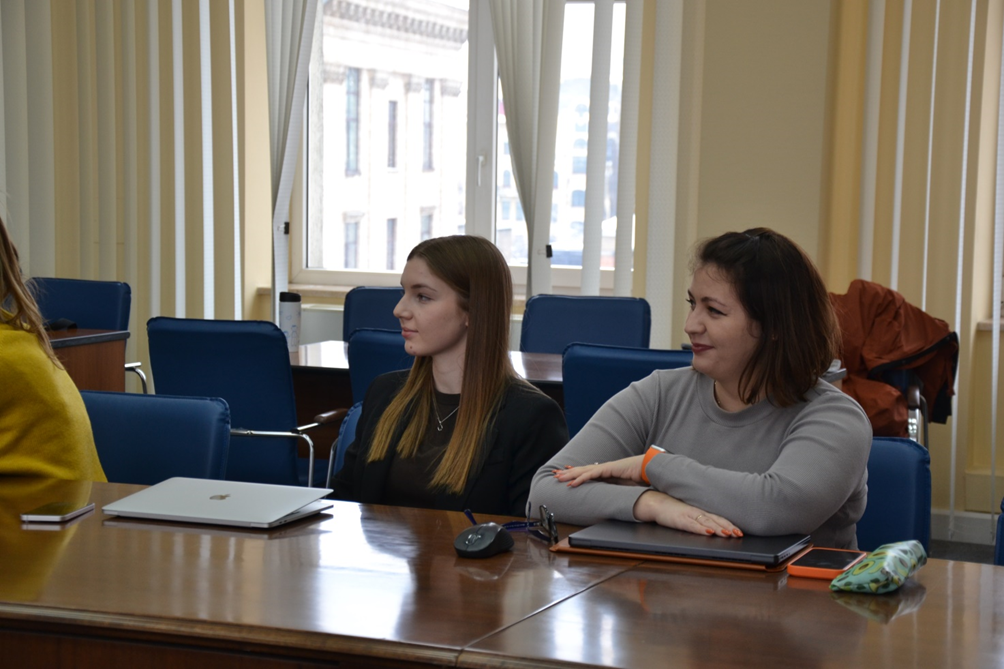
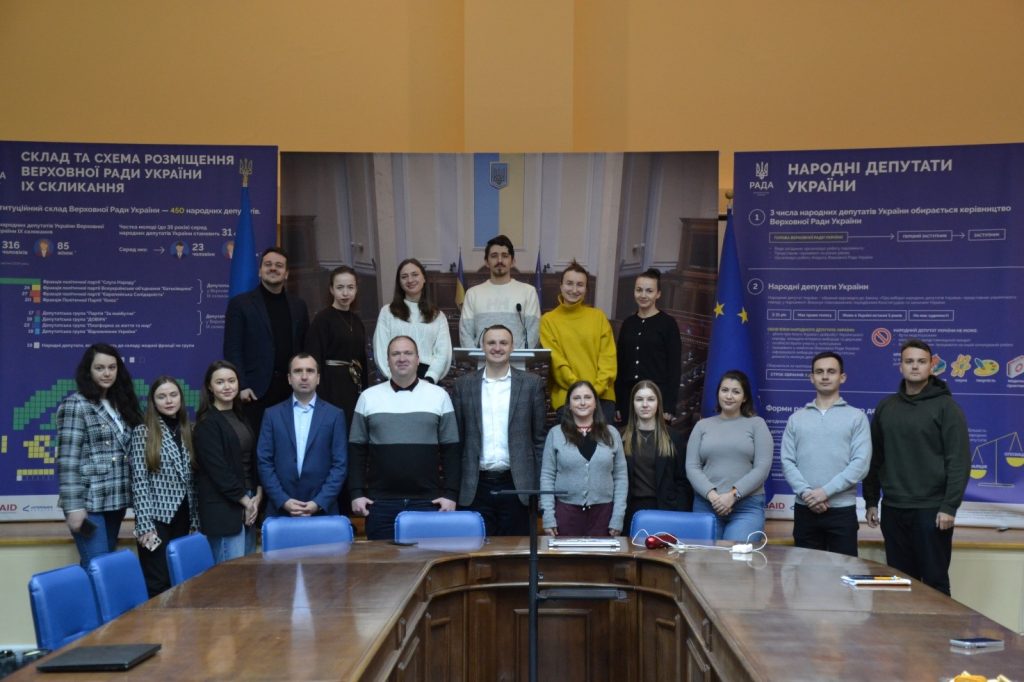
On January 29, a meeting in a hybrid format (offline and online) was held at the premises of the Committees of the Verkhovna Rada of Ukraine between members of the Ukrainian Nuclear Society and participants (interns) of the Verkhovna Rada of Ukraine Internship Program for 2025–2026.
The topic of the meeting was: “Nuclear Energy of Ukraine – Current State and Scientific Support.”
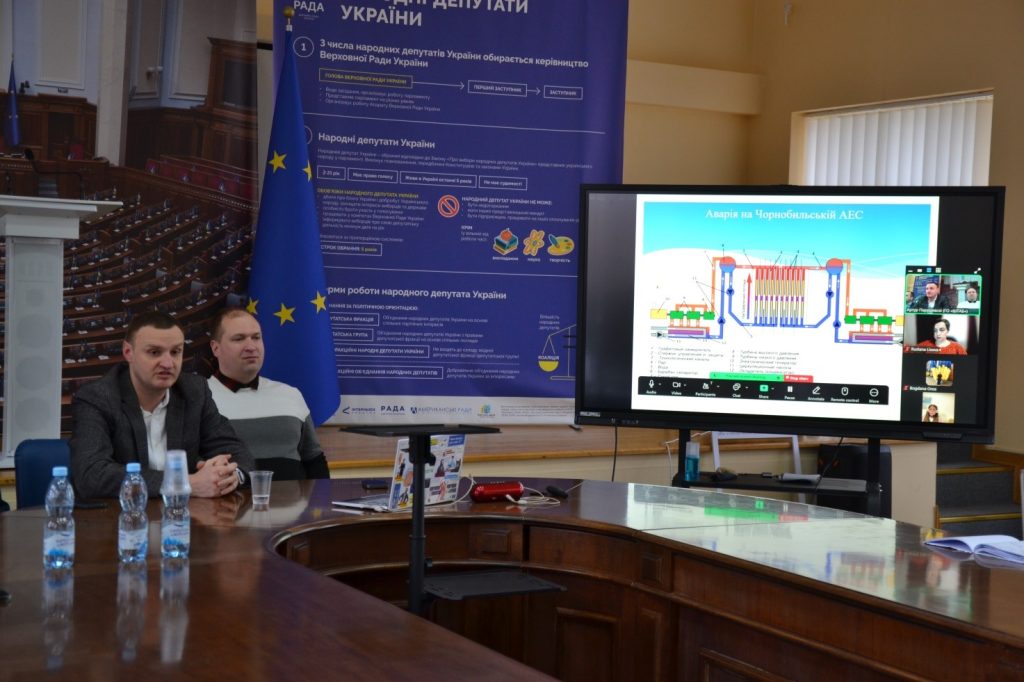
The Scientific Secretary and Head of Laboratory at the Institute for Safety Problems of Nuclear Power Plants of the NAS of Ukraine (ISPNPP), Doctor of Technical Sciences, Senior Researcher Kostiantyn Simeiko, delivered a presentation on institutions providing scientific support to nuclear energy and on the research and development activities of ISPNPP. In particular, he spoke about nuclear installation operational safety, decommissioning of nuclear facilities, transformation of the destroyed Unit 4 of the Chornobyl NPP into an environmentally safe system, and management of spent nuclear fuel and radioactive waste.
“The mission of the Institute is to create, acquire, develop, disseminate, and apply scientific knowledge and advanced technologies for the safe use of nuclear energy, and for preventing and mitigating the consequences of radiation accidents for the benefit of society,” noted Kostiantyn Simeiko.
In his presentation, he also addressed the Chornobyl disaster, whose 40th anniversary will be marked in April, including the probable causes of the accident and the liquidation of its consequences, as well as the impact of a Russian drone on the New Safe Confinement and the role of ISPNPP scientists in mitigating the consequences of this incident.
Senior Researcher at the Institute for Nuclear Research of the NAS of Ukraine, PhD in Physics and Mathematics Yevhen Malyi, presented a report on the overall development of nuclear energy and briefly outlined the research activities of his Institute. His presentation demonstrated that nuclear power has traditionally had a significant share in Ukraine’s energy balance, and under current conditions of nearly destroyed thermal generation and damaged hydropower, it plays an even more critical role. Annual electricity generation exceeds 50 billion kWh, excluding the occupied Zaporizhzhia NPP. More than 30,000 qualified specialists are employed in Ukraine’s nuclear industry, and several hundred scientists provide scientific support. The total installed capacity of all Ukrainian NPPs is 14,313 MW (8,313 MW excluding the Zaporizhzhia NPP), ranking Ukraine 3rd in Europe and 8th in the world.
He emphasized the urgent need to construct new power units at Ukrainian nuclear power plants, as only three units have not yet entered long-term operation beyond their original design lifetime, while the operating lifetime of the other 12 units has already been extended or is being extended. He also highlighted the important role of specialized scientists in the future recovery of the Zaporizhzhia NPP after de-occupation, completion of projects at the South Ukraine energy complex (spray ponds, Tashlyk Pumped Storage Plant, Unit 2 of the Nuclear Fuel Storage Facility), construction of a Ukrainian plant for manufacturing components of spent nuclear fuel storage systems, and plans to deploy small modular reactors using Holtec technology.
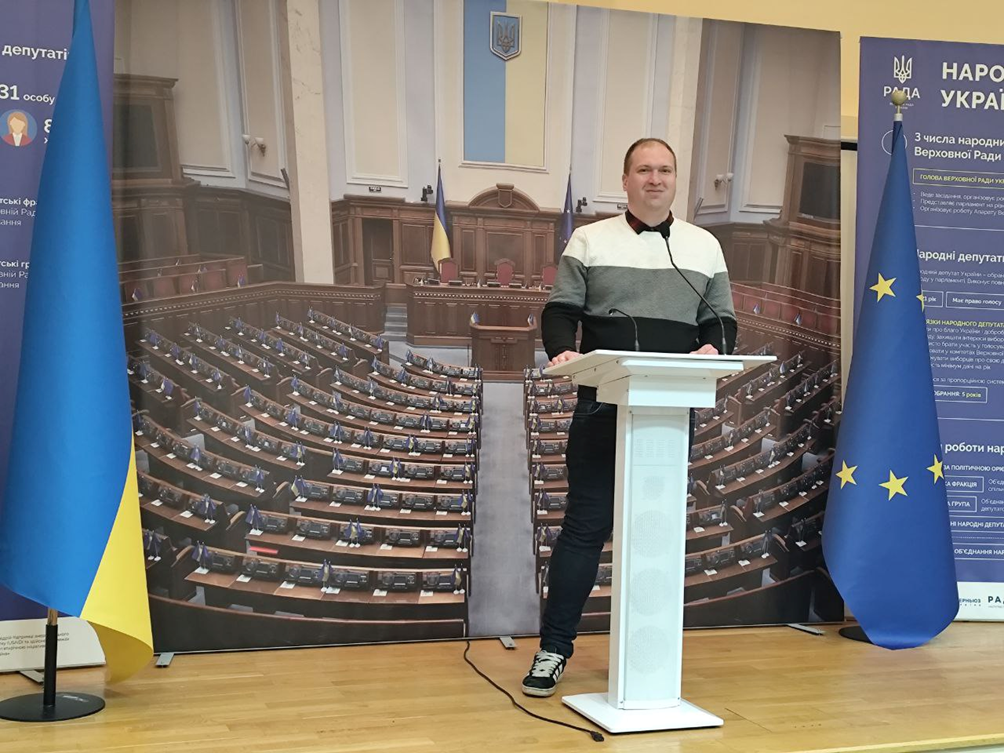
Senior Researcher at the “Nuclear Fuel Cycle” Scientific and Technical Complex of the National Science Center “Kharkiv Institute of Physics and Technology,” PhD in Physics and Mathematics, Senior Researcher Valeriy Zuyok, spoke about measures being taken to eliminate dependence on the Russian Federation in Ukraine’s nuclear-industrial complex. In particular, important steps include refusing to send spent nuclear fuel from Ukrainian NPPs to Russia and transitioning to alternative technologies in nuclear energy. He emphasized the significance of switching from Russian nuclear fuel to fuel manufactured by Westinghouse at Ukrainian NPPs and the role of Ukrainian scientists in achieving complete independence from reactor core components for VVER-1000 and VVER-440 reactors that were previously supplied by russia.
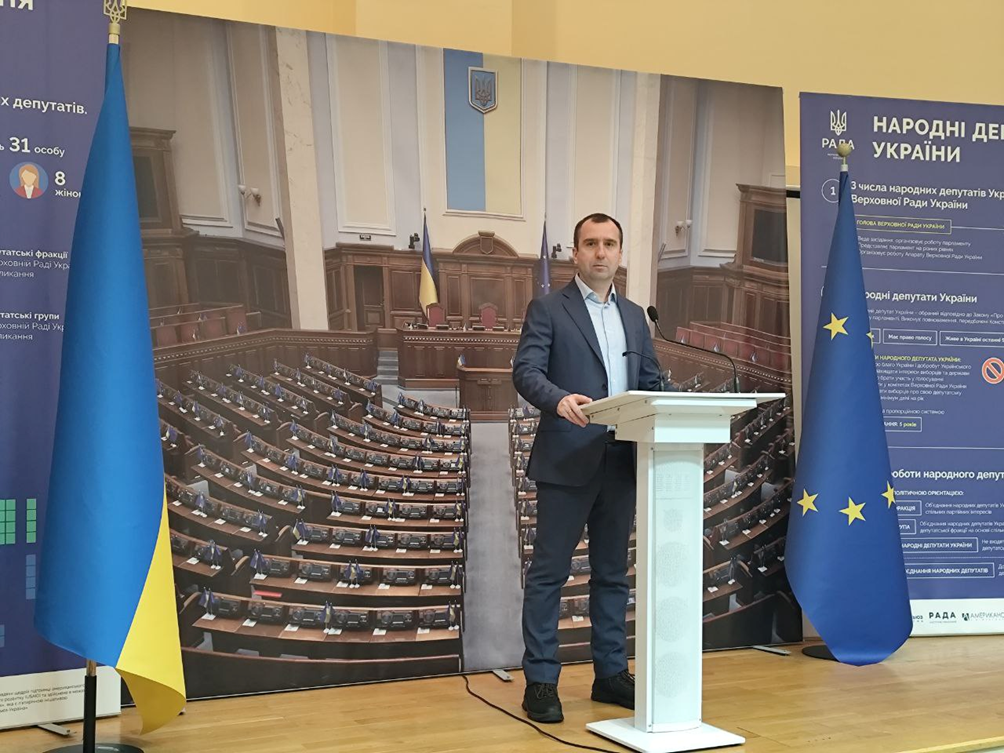
Following the presentations, scientists and interns discussed key issues of nuclear energy and nuclear science, including the temporary occupation of the Zaporizhzhia NPP and the Chornobyl Exclusion Zone, plans for constructing new power units during the post-war recovery period, diversification of nuclear fuel supply, and development of domestic production of fuel assembly components. Particular emphasis was placed on the importance of stable funding for scientific support and on parliamentary backing for the implementation of strategic nuclear projects and alignment of state policy in this field.