Innovations, Safety and the Technological Future of Nuclear Energy: VIII International Scientific and Technical Conference NUCNEXT 2026 Held in Kyiv
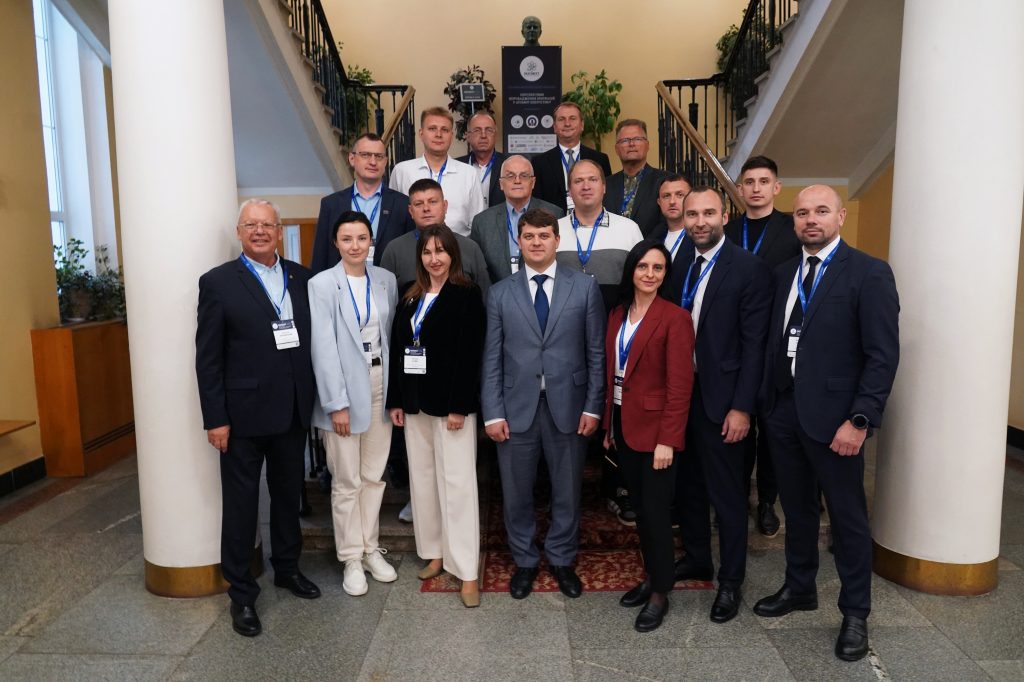
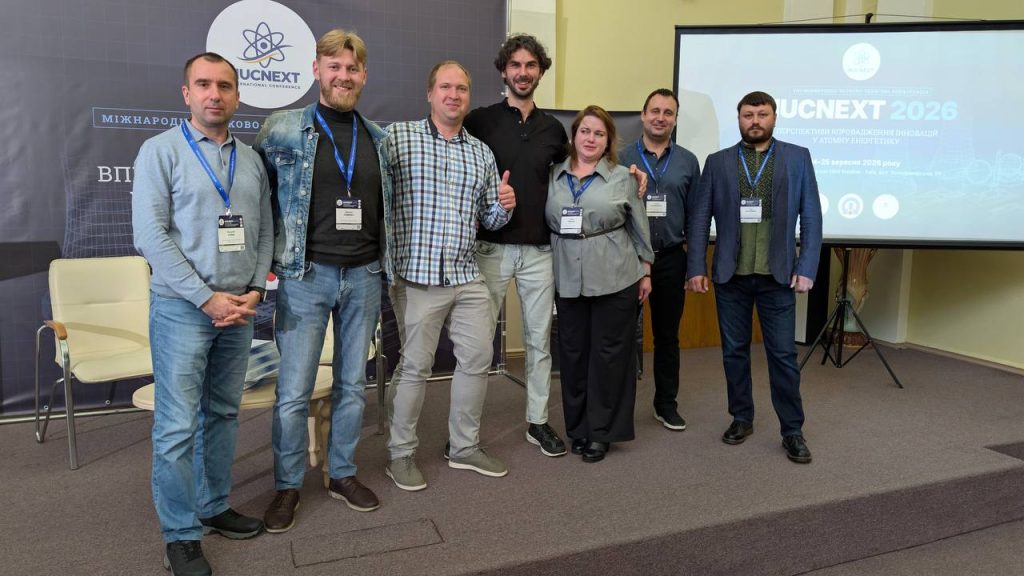
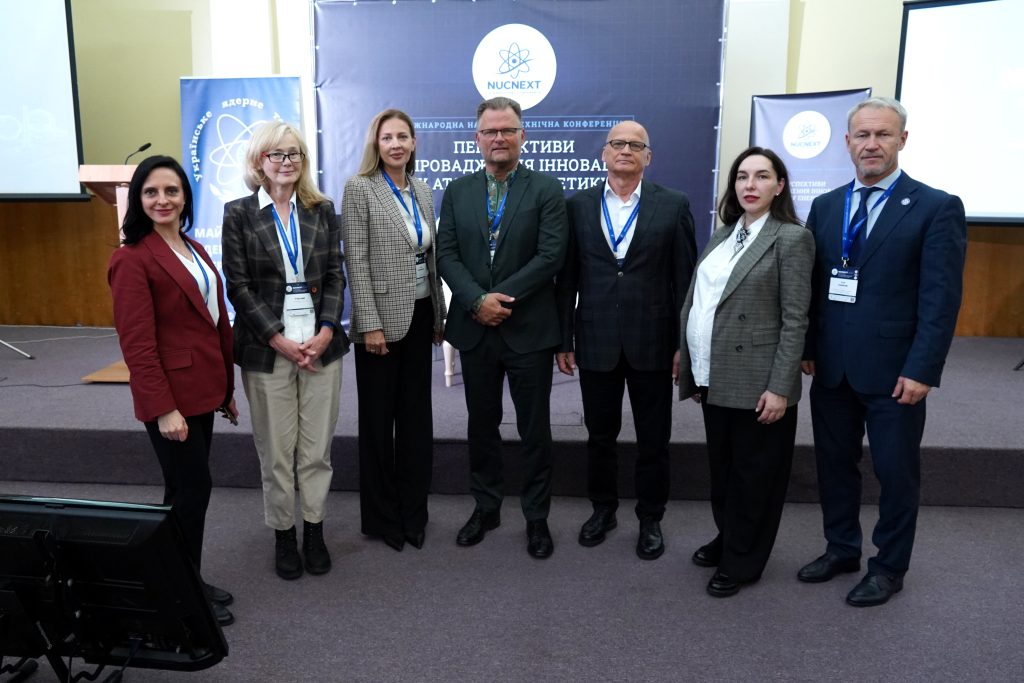
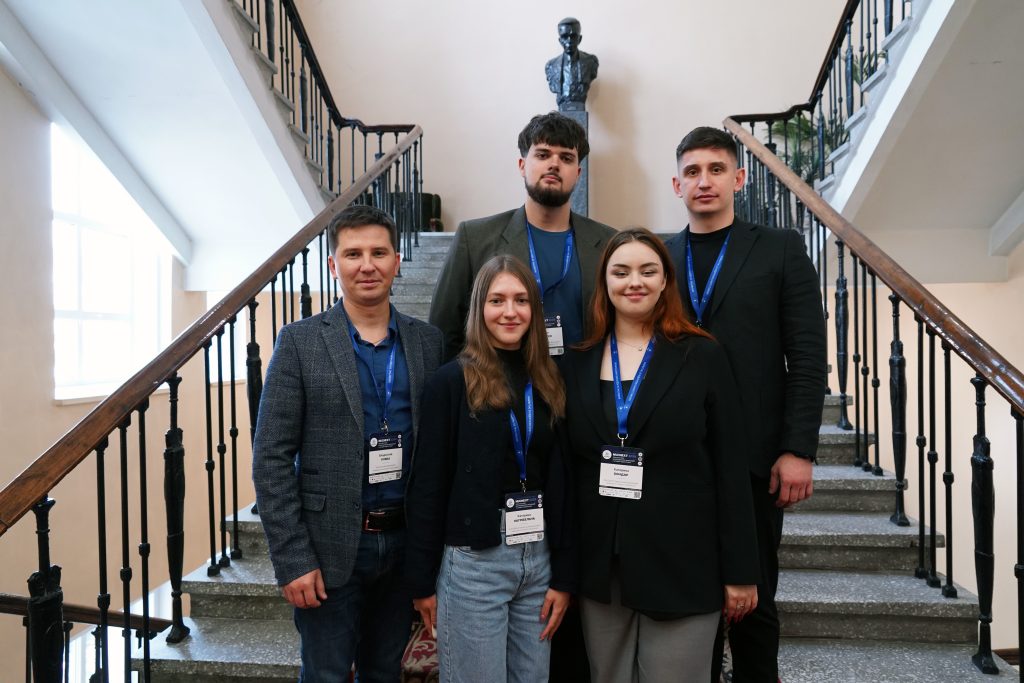
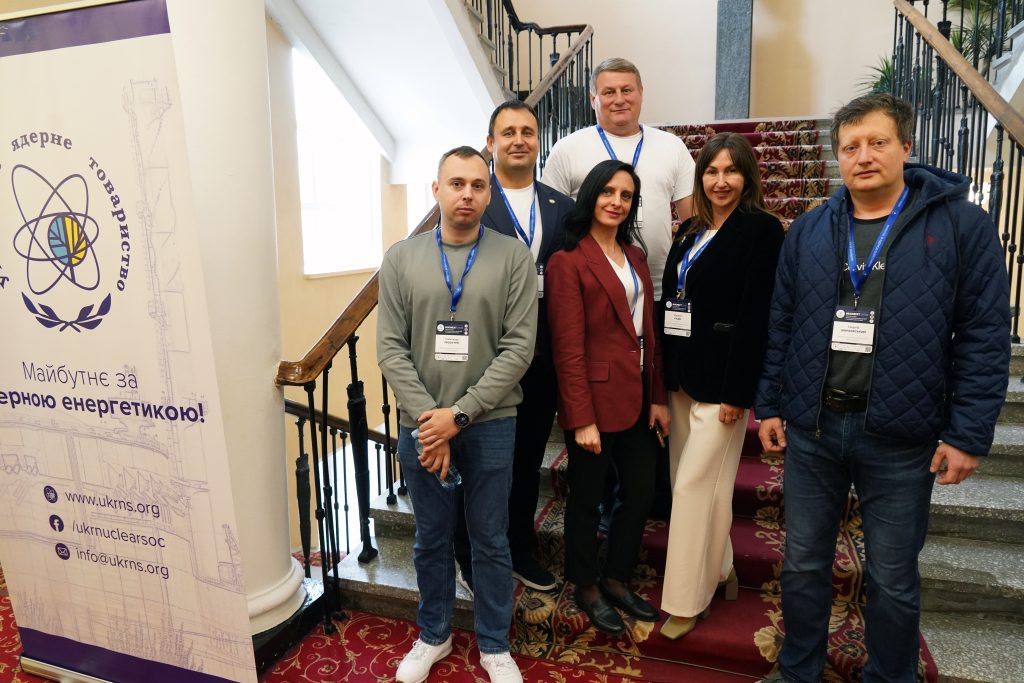
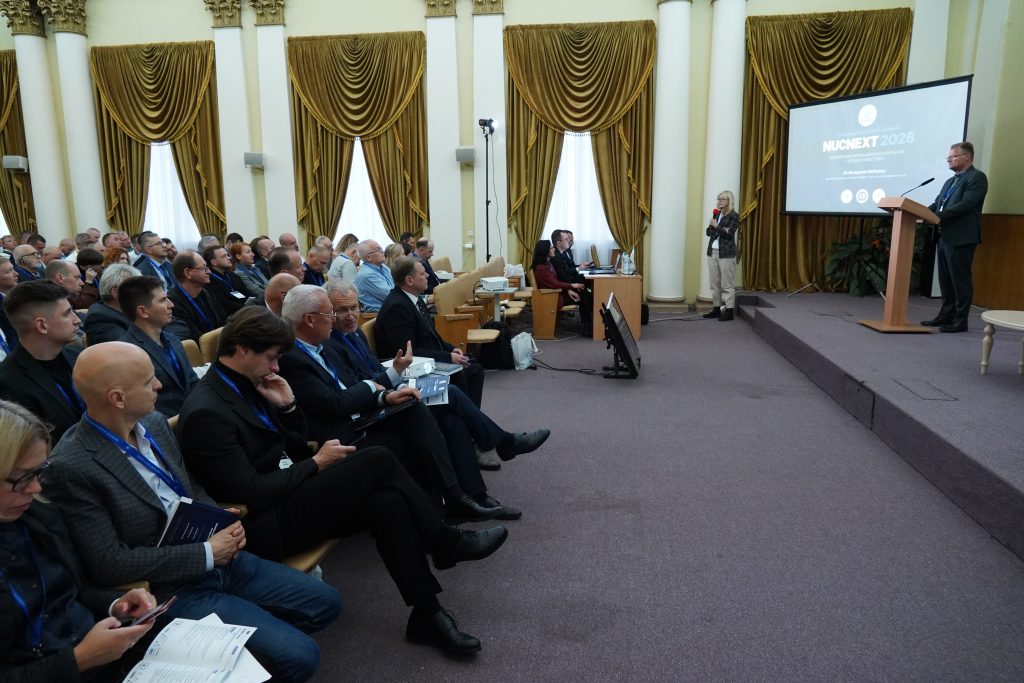
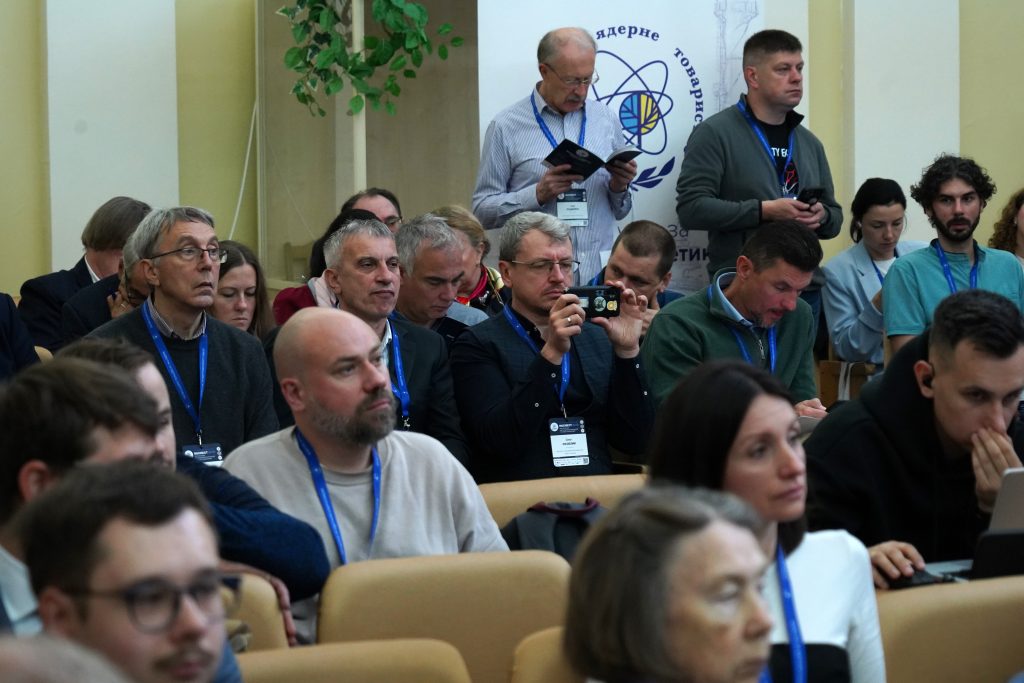
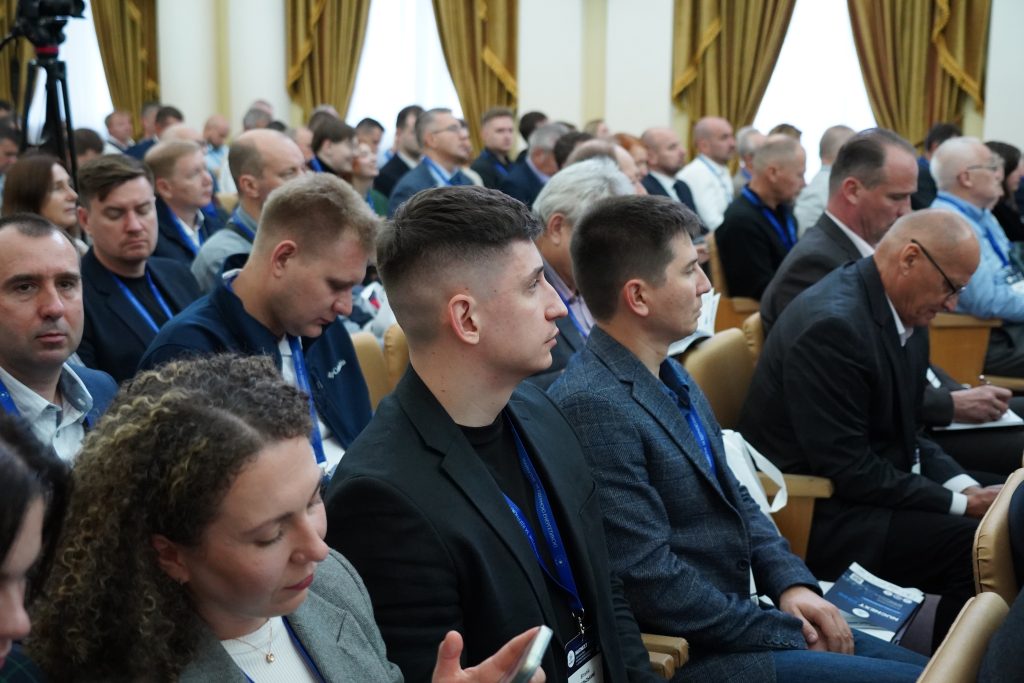
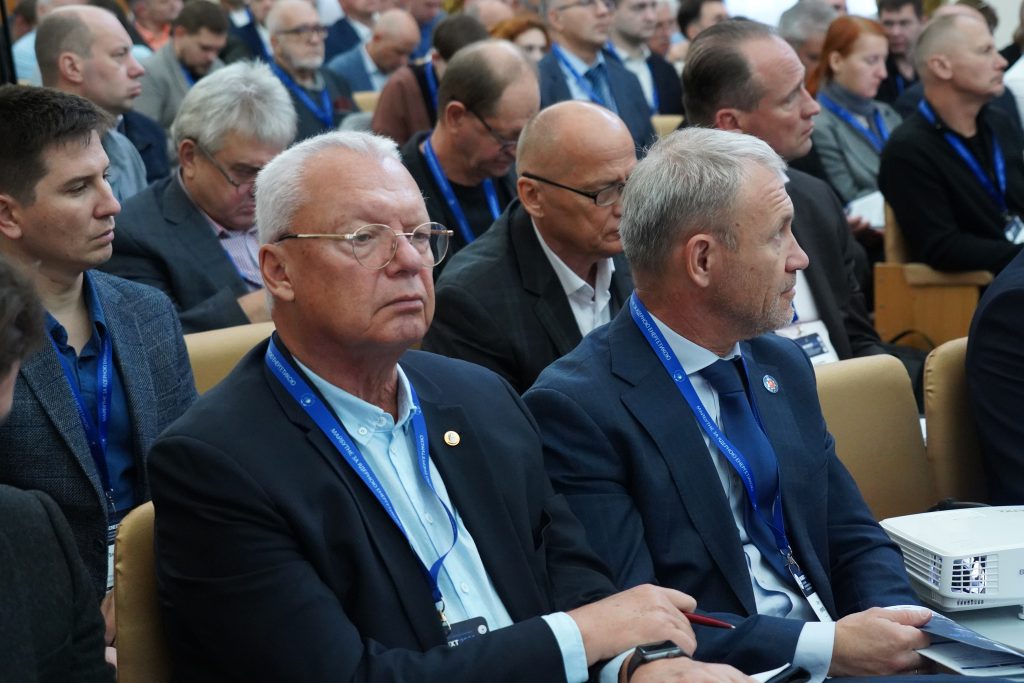
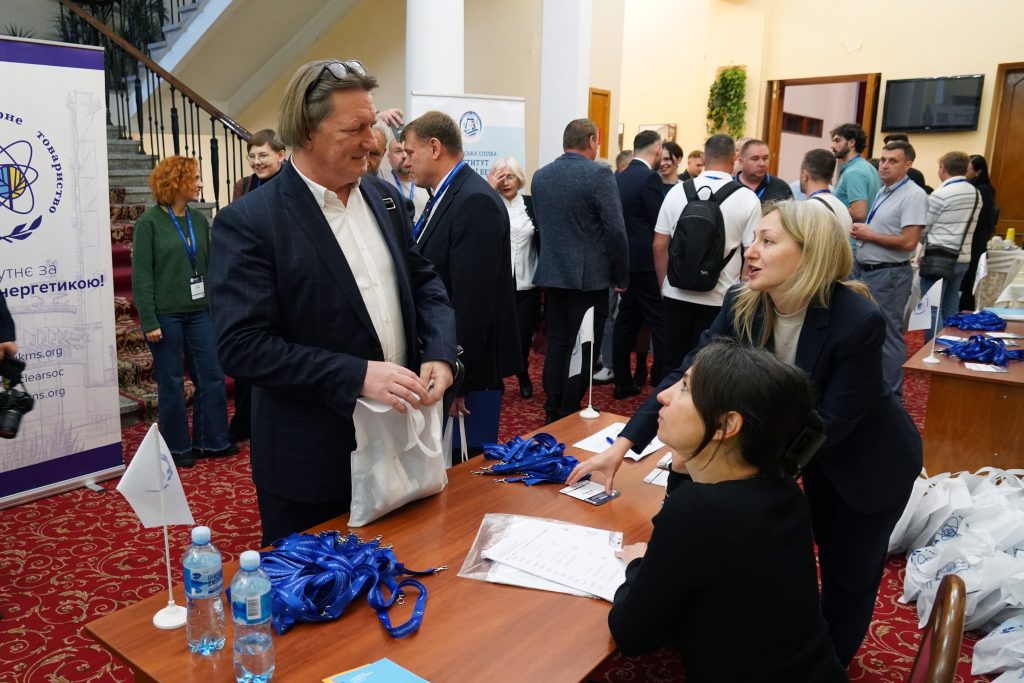
On September 24–25, 2026, the VIII International Scientific and Technical Conference NUCNEXT 2026 “Prospects for Introducing Innovations into Nuclear Energy” was held in Kyiv. The two-day event brought together over 200 participants, including 80 speakers representing public authorities, JSC “NNEGC “Energoatom” and Ukrainian NPPs, research institutions, design and industrial enterprises, international partner organizations, and professional public associations.
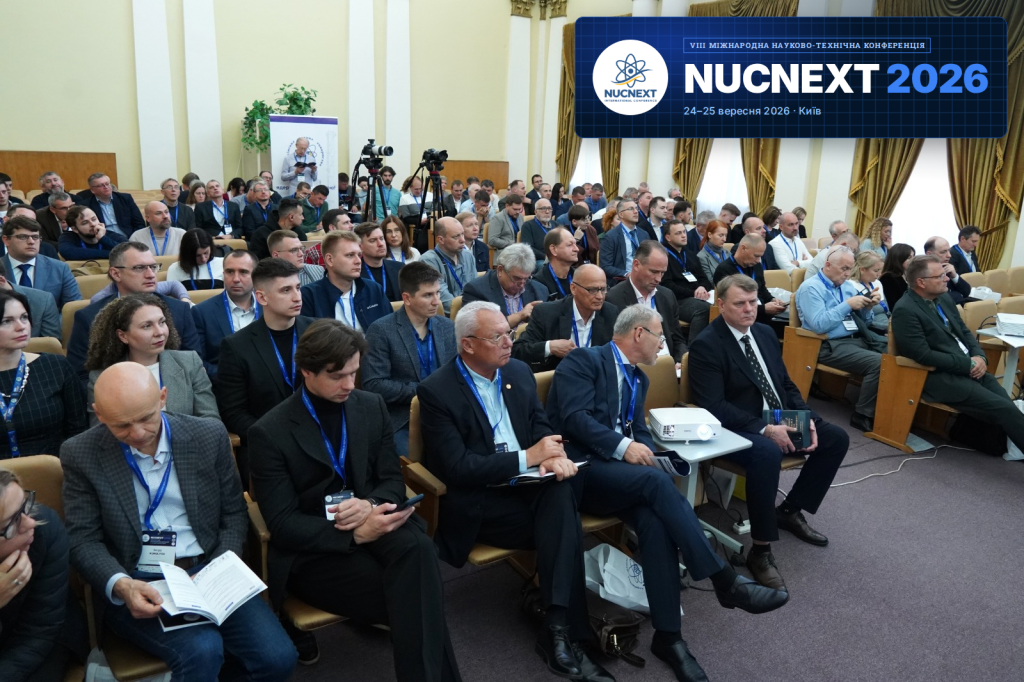
The conference served as a platform for professional discussion of key areas for the development of Ukraine’s nuclear energy sector – ranging from the construction of new power units, extension of the operating life of existing NPPs, and development of reactor technologies to innovative materials, digital solutions, physical protection, radioactive waste management, communications, and interdisciplinary research.
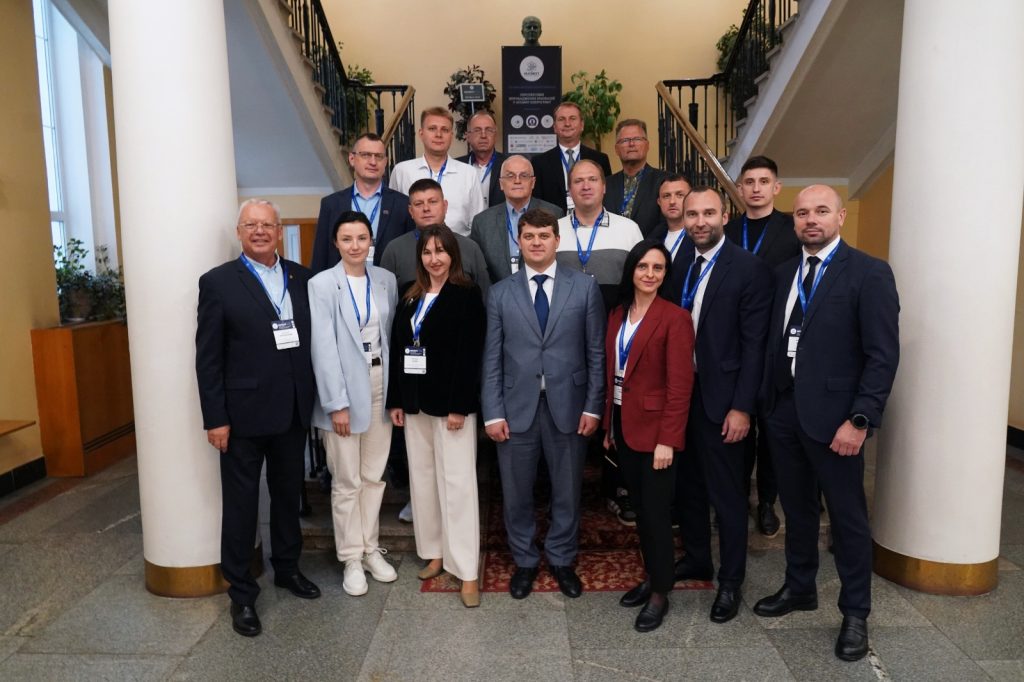
The event took place in the Grand Conference Hall of the National Academy of Sciences of Ukraine in Kyiv. The program covered two intensive days of work in the Grand and Small halls, plenary and thematic panels, parallel sectional meetings, poster sessions, special events, and the popular science event AtomSlam.
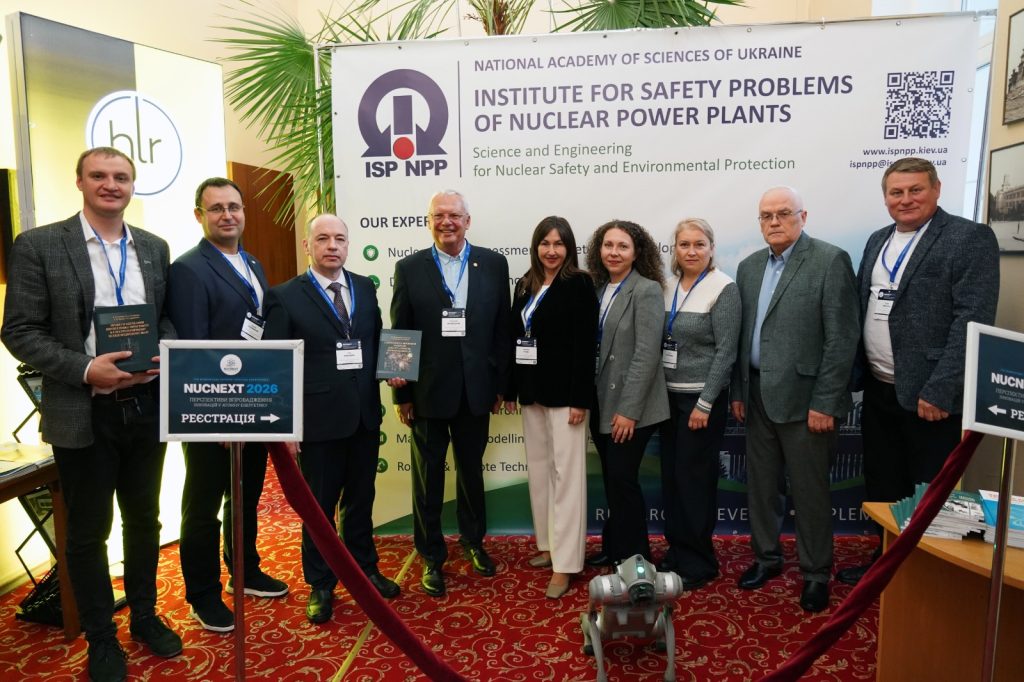
The first day of NUCNEXT 2026 began with a block of welcoming speeches.
The participants were addressed by Volodymyr Kholosha, President of the Ukrainian Nuclear Society; Anatoliy Kostiukh, People’s Deputy of Ukraine and Head of the Subcommittee on Nuclear Energy and Nuclear Safety of the Verkhovna Rada Committee on Energy and Utilities; Oleh Korikov, Head of the State Nuclear Regulatory Inspectorate of Ukraine; Ihor Ivanov, Director of the Nuclear Energy Department of the Ministry of Energy of Ukraine; Oleksandr Ostapovets, Acting Chairman of the Management Board of JSC “NNEGC “Energoatom”; Thierry Salmon, Regional Advisor for Nuclear Energy at the Embassy of France; Anatoliy Nosovskyi, Academician of the National Academy of Sciences of Ukraine and Advisor to the Directorate of the Institute for Safety Problems of NPPs of the NAS of Ukraine; and Lars van Dassen, Executive Director of the World Institute for Nuclear Security (WINS).
Volodymyr Kholosha, President of the Ukrainian Nuclear Society, noted that over the years of its existence, the event has evolved from a small round table into a large-scale event: this year’s conference gathered a record number of participants and speakers representing all key areas of the nuclear industry – from the legislative and regulatory spheres to operating organizations, scientific and methodological institutions. He emphasized the importance of creating synergy between various industry stakeholders and initiating a meaningful dialogue on the introduction of new technologies and innovations.
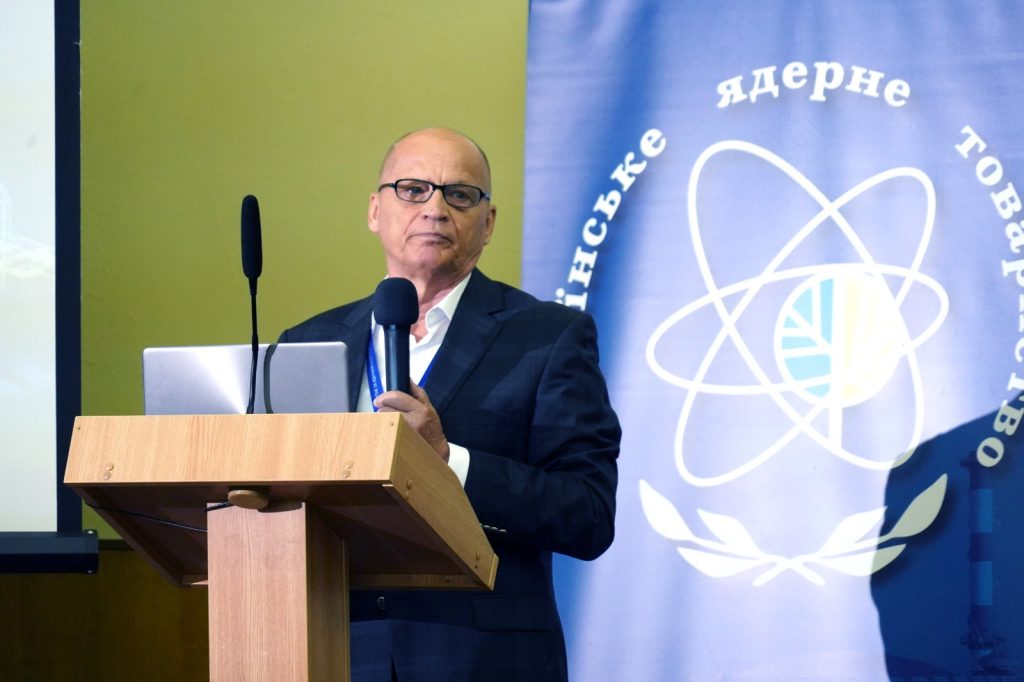
Oleksandr Ostapovets, head of JSC “NNEGC “Energoatom”, emphasized the importance of developing and implementing innovations for the future of Ukraine’s energy sector. According to him, the implementation of large-scale plans requires the joint efforts of the state, science, and industry, and the work of such a conference can become an effective platform for exchanging experience and generating joint solutions.
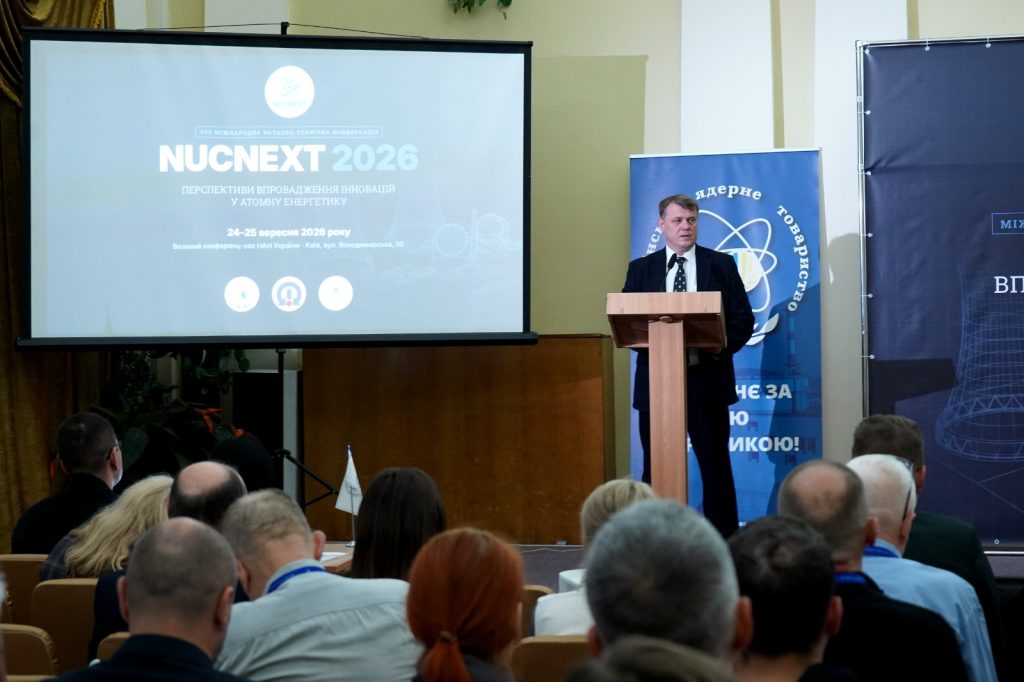
Member of Parliament of Ukraine Anatoliy Kostiukh emphasized the importance of close cooperation between lawmakers and industry experts. In his opinion, the partnership between the authorities and industry professionals is the key to creating a high-quality legislative framework and effective initiatives for its further development.
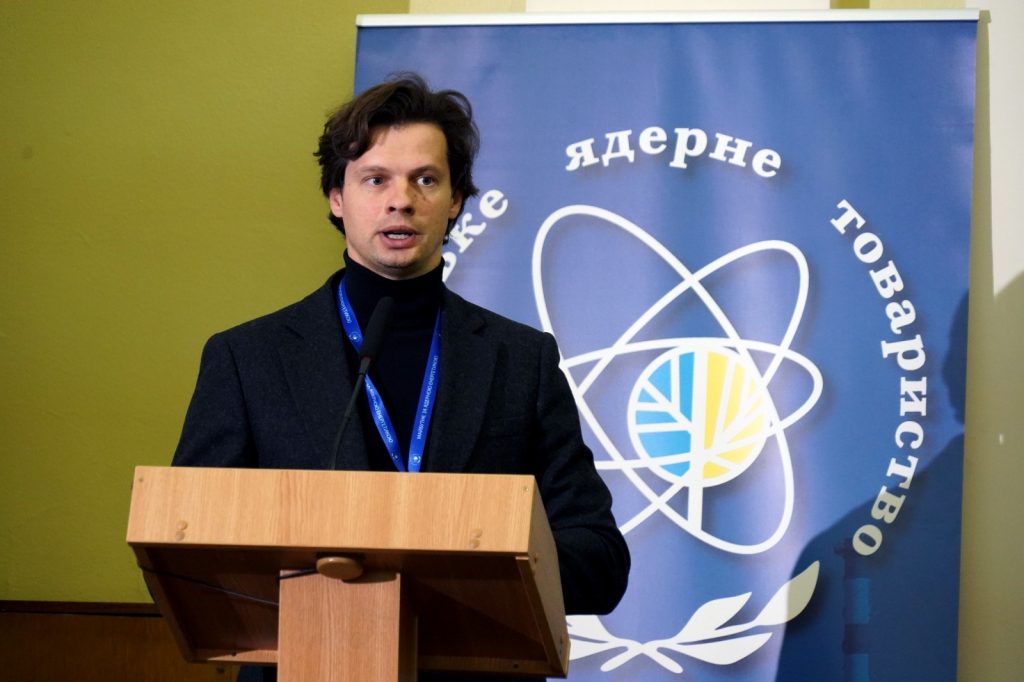
Oleh Korikov, Head of the State Nuclear Regulatory Inspectorate of Ukraine, noted in his speech the importance of addressing safety issues in the industry during the conference, and in particular, the discussion by industry specialists of regulatory processes and the harmonization of safety standards, which in Ukraine have always been and remain at a high level.
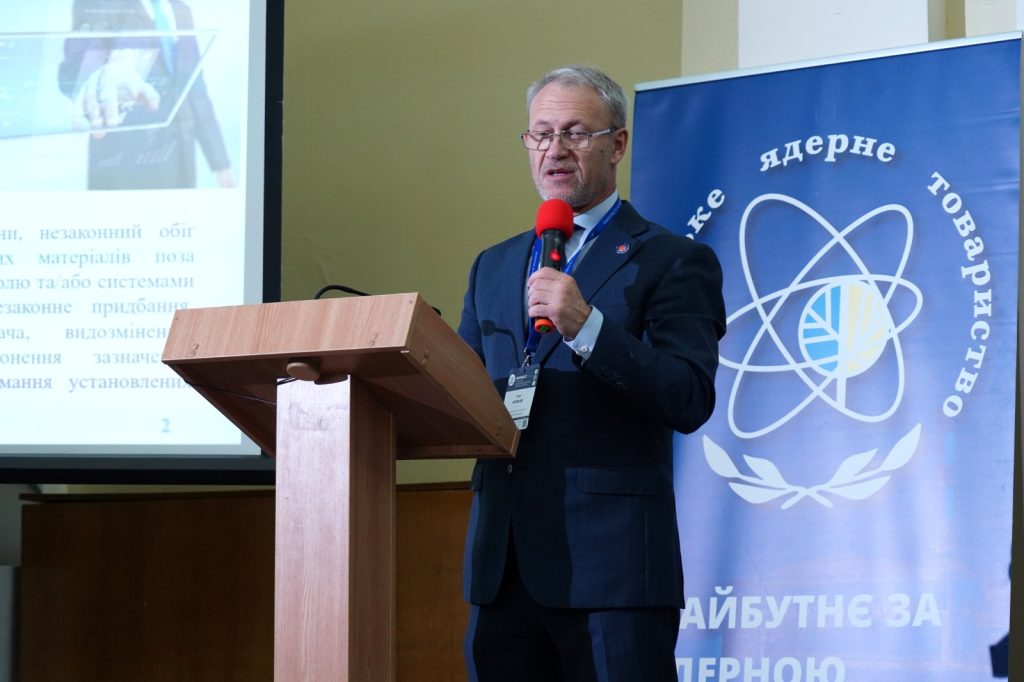
In his welcoming speech from the Ministry of Energy of Ukraine, Ihor Ivanov, Director of the relevant department, noted that for Ukraine, nuclear energy is one of the key security elements, and under the conditions of a full-scale war, one of the strategic tasks is the formation of a new technological basis for its development. Ihor Ivanov noted the importance of holding the conference as a powerful platform for professional dialogue between the nuclear community of Ukraine and foreign countries to discuss the priorities of industry development.
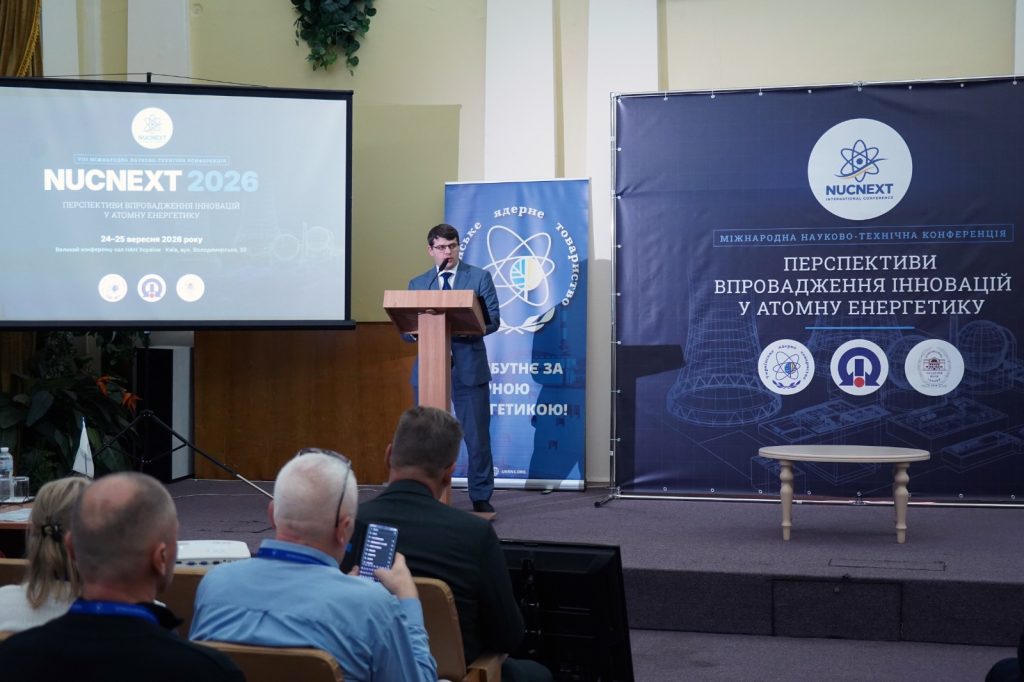
Academician of the National Academy of Sciences of Ukraine Anatoliy Nosovskyi drew attention to the numerous and extraordinary challenges faced by the Ukrainian nuclear industry due to military actions and daily threats to nuclear installations, NPP personnel, and other industry enterprises. He also noted Ukraine’s critically important experience in the safe use of nuclear energy in wartime conditions, as well as the need to develop new technological and political solutions for effective adaptation to new conditions today and for the further development of the industry.
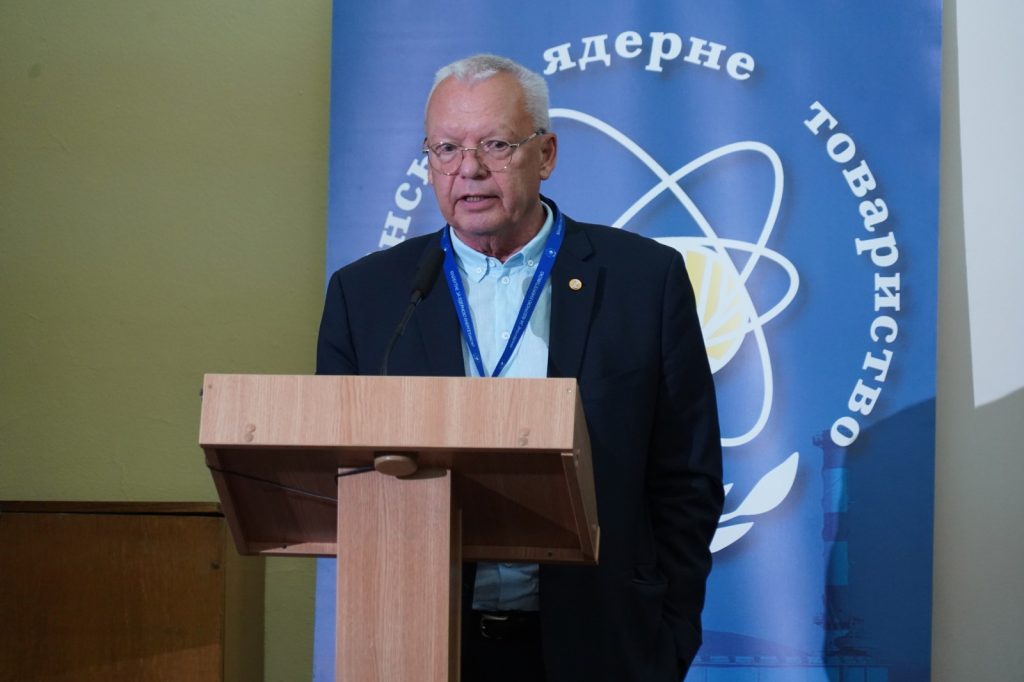
Representatives of international partners who joined the conference expressed their support for holding such important events in Ukraine and thanked for the invitation extended to foreign experts.
Regional Advisor Thierry Salmon expressed the view that industry development and the introduction of innovations must not stop even in the difficult conditions of war, and expressed confidence that international cooperation, including with French enterprises and organizations, can be a worthy support for the Ukrainian nuclear industry.
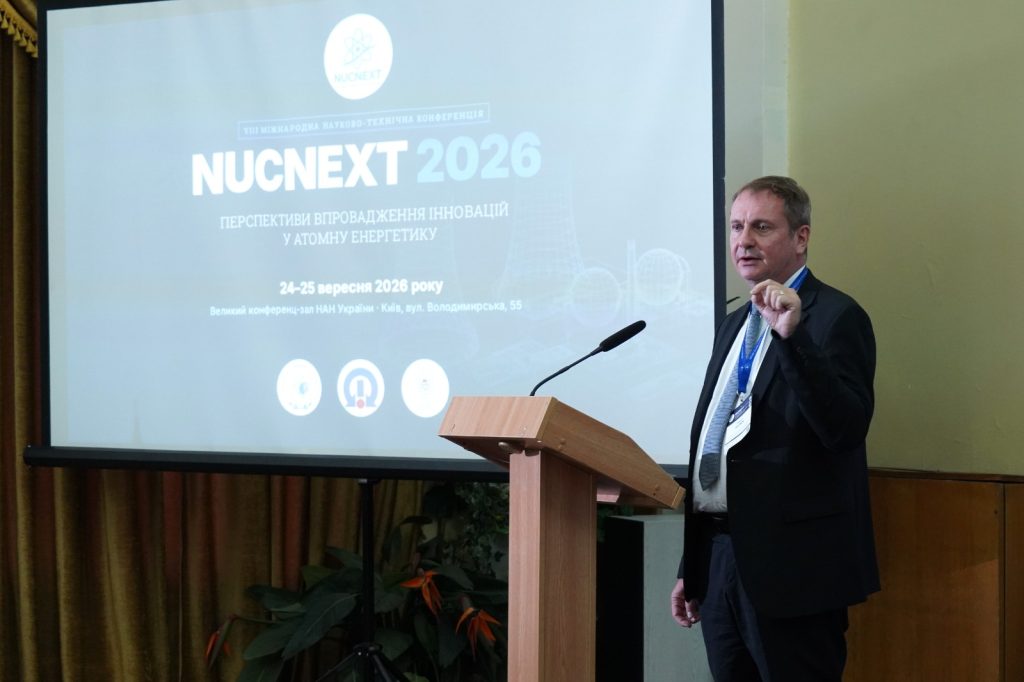
WINS Executive Director Lars van Dassen drew attention to the high safety culture in Ukraine’s nuclear industry, which is maintained despite all difficulties and threats, and emphasized the importance of liberating the occupied Zaporizhzhia NPP, restoring Ukraine’s control over this strategic nuclear energy facility, and preventing similar seizures and attacks in the future. Mr. van Dassen highlighted the importance of UkrNS, Energoatom and their’s partners for ensuring unity and progress within the Ukrainian nuclear sector, as well as its cooperation with organizations from other countries.
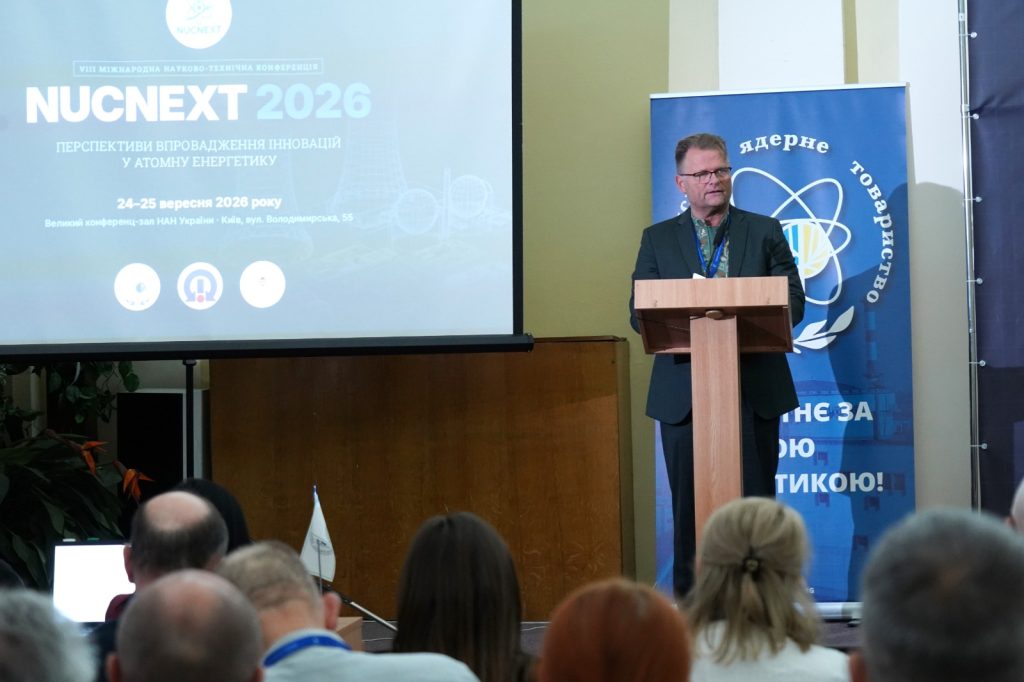
The central event of the first day of the conference was the plenary session dedicated to strategic issues of the development of Ukraine’s nuclear energy sector.
UkrNS President Volodymyr Kholosha presented a report on problematic issues and prospects for the construction of new power units. Volodymyr Borysenko, Director of the Institute for Safety Problems of NPPs of the NAS of Ukraine, presented an analysis of forecasts and facts regarding the development of nuclear energy.
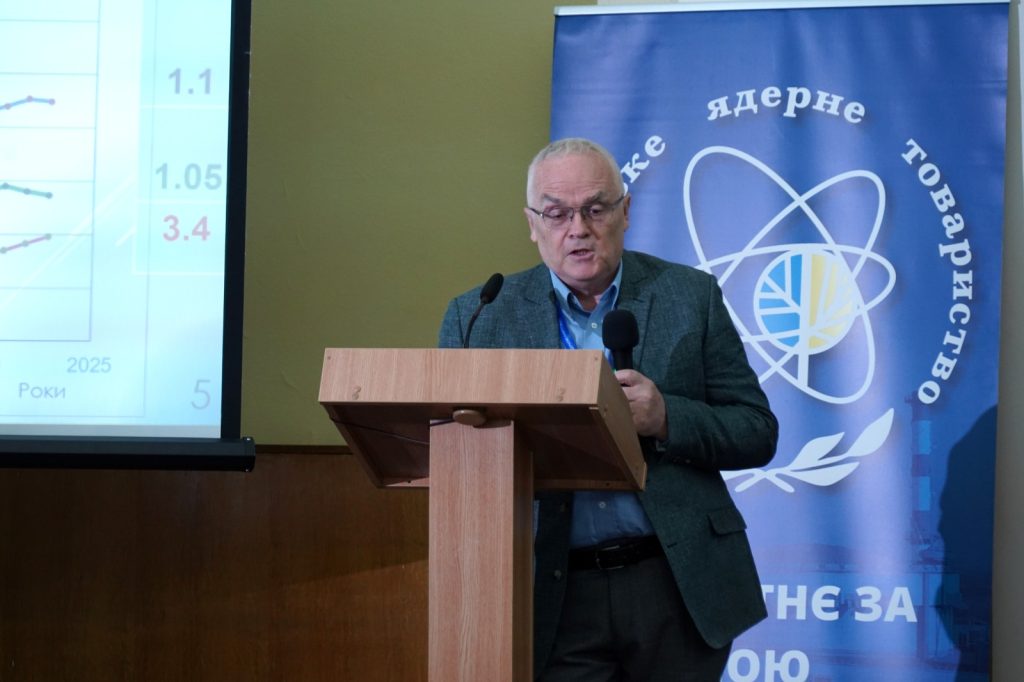
Oleksandr Kosinskyi, Deputy General Director of the “Atomprojectengeeniring” branch, focused on the deployment of AP1000 technology in Ukraine and the prospects for introducing small modular reactors.
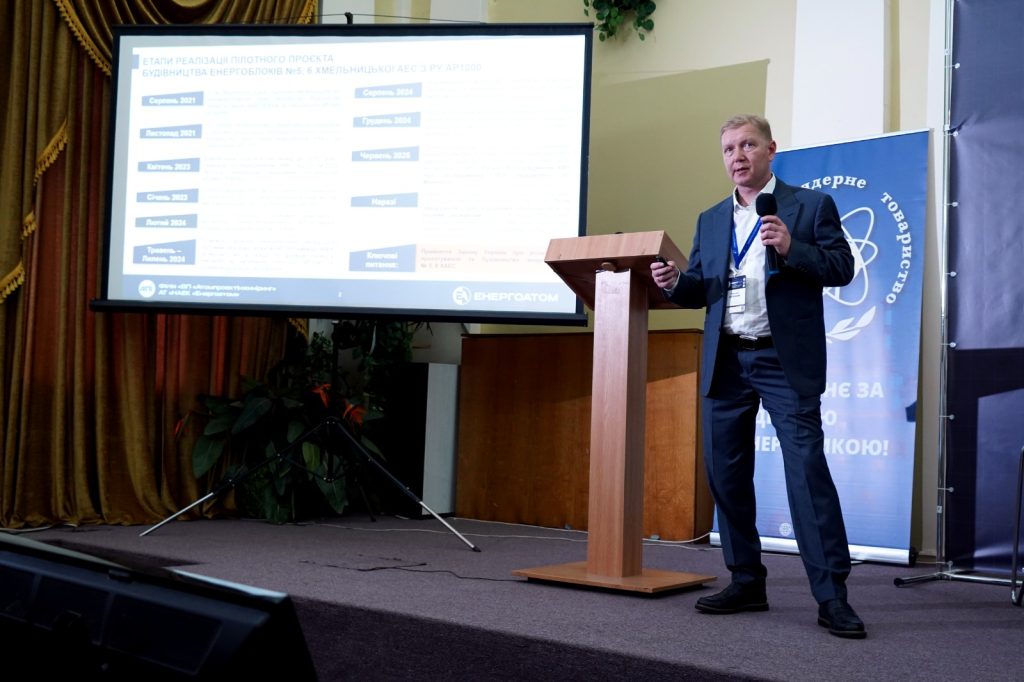
Separate reports covered radioactive waste management, Ukraine’s uranium mineral resource base, the role of domestic design organizations in achieving the sustainable development goals of nuclear energy, and new materials for nuclear technologies.
In the partner block, participants familiarized themselves with the developments and projects of SE “USIE IZOTOP”, RPE “Atom Komplex Prylad”, IPP-CENTRE, Energy Safety Group, Phoenix Contact Ukraine, Witkowitz Atomica / Synergoatom, Lira Group of Companies.
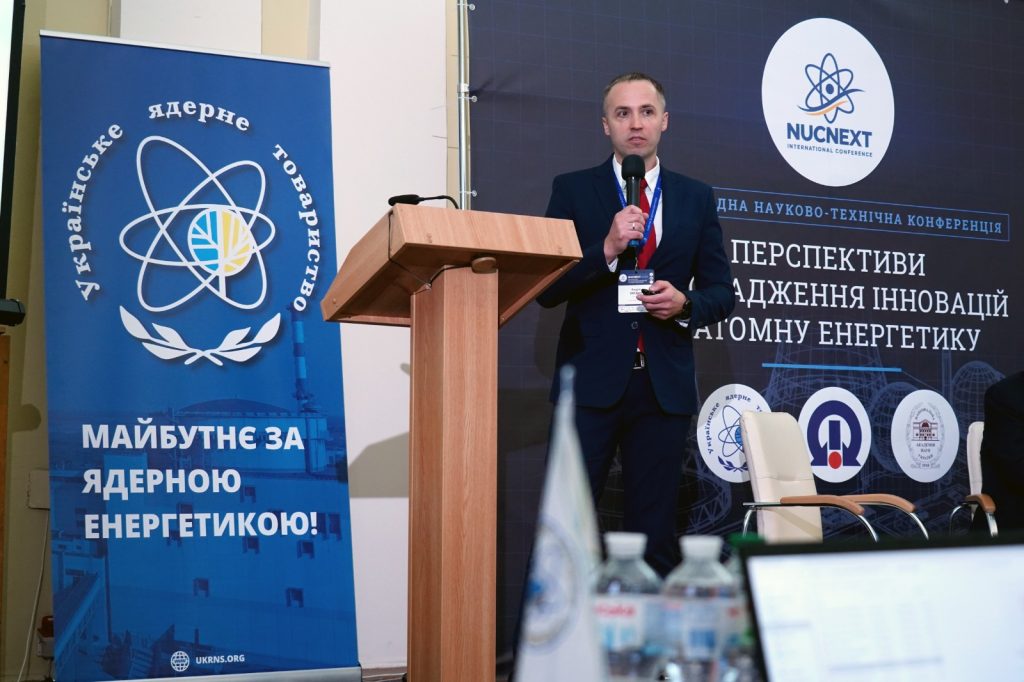
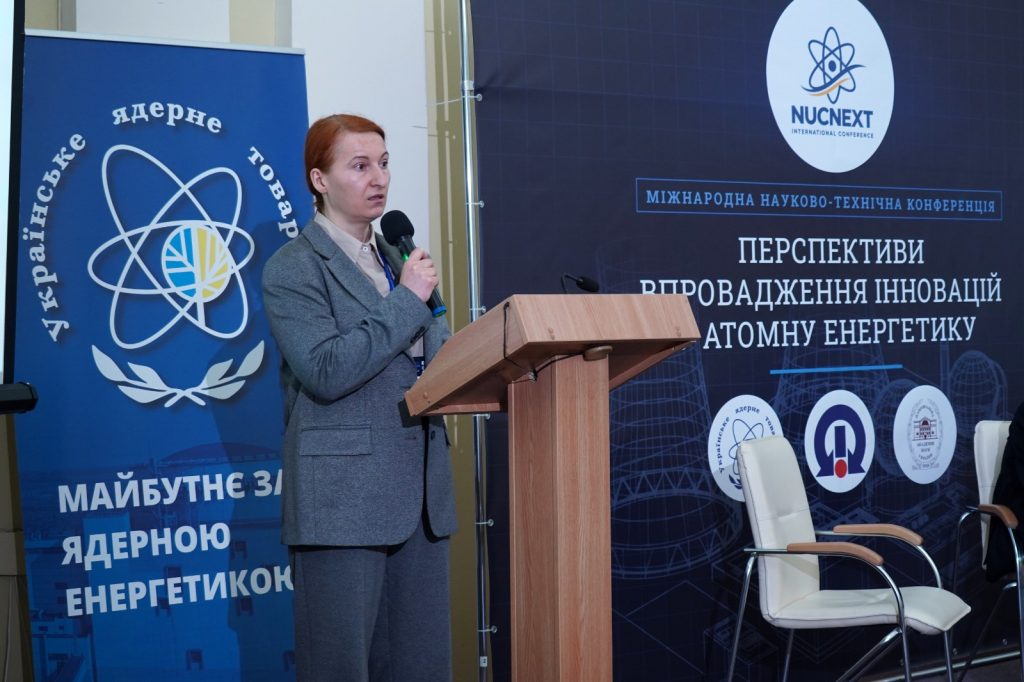
In particular, presentations covered the production of radioactive isotopes for nuclear medicine, innovative developments for nuclear energy, management of equipment and power unit structure aging, prospects for the nuclear industry after the end of the war, technical solutions for NPP equipment, automation, and cooperation between international partners and the Ukrainian nuclear industry.
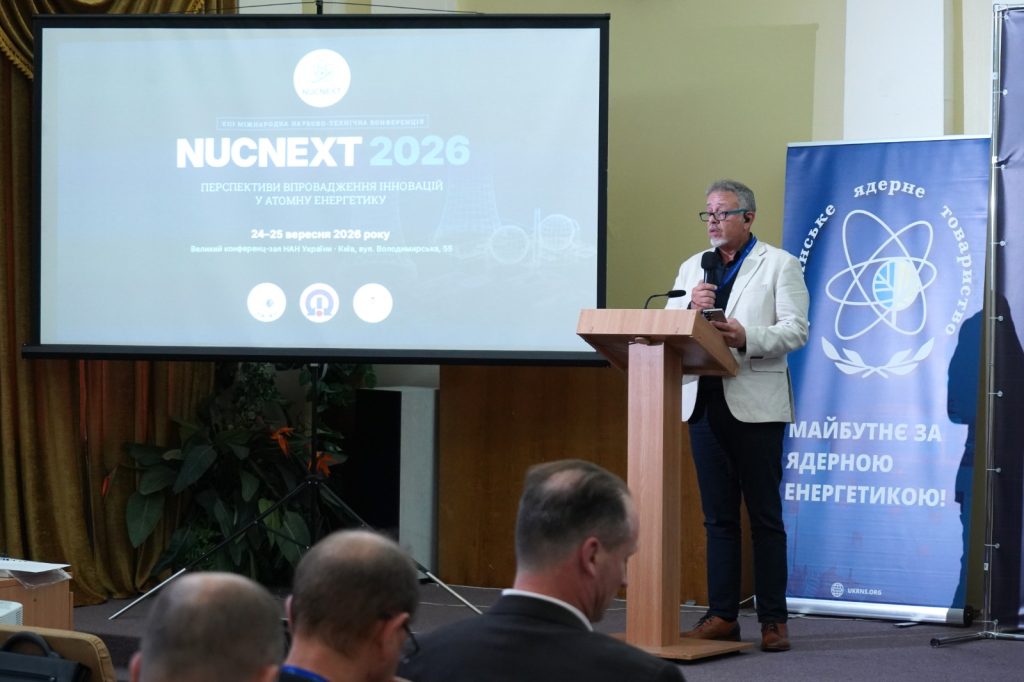
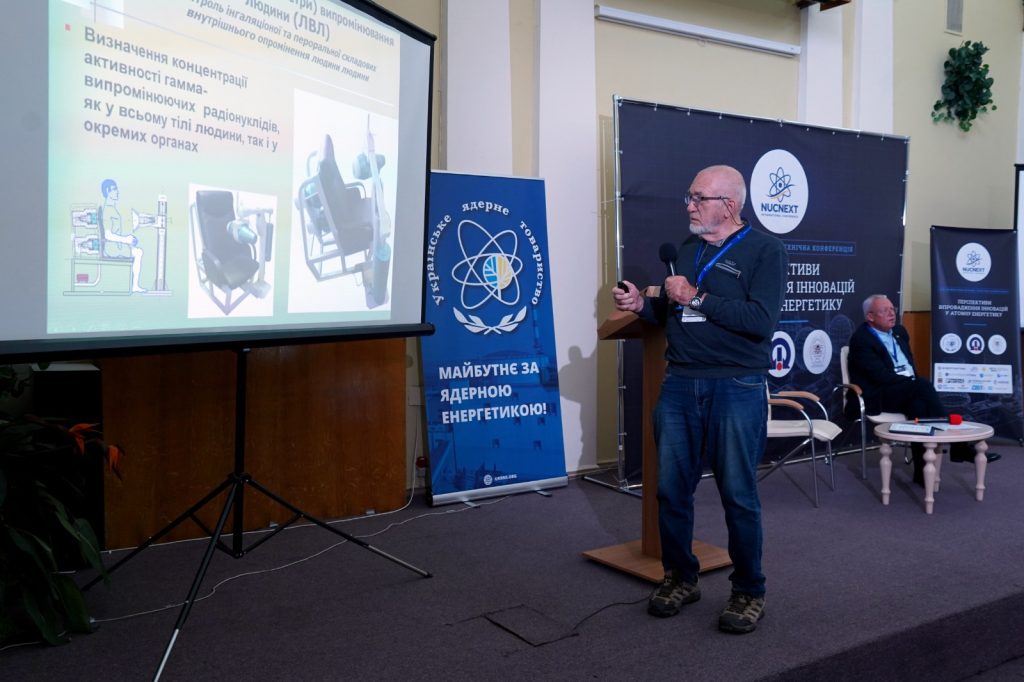
One of the important areas of the first day was the thematic panel of WINS – the World Institute for Nuclear Security. The panel was moderated by Lars van Dassen, and one of the key speakers was Oleh Korikov, Head of the State Nuclear Regulatory Inspectorate of Ukraine, who highlighted current challenges and risks to Ukraine’s nuclear security due to the war and the loss of control over part of the territories. The report reviewed modern monitoring technologies and measures to prevent the illicit trafficking of radioactive materials. Special attention was paid to Resolution No. 553 of the Cabinet of Ministers of Ukraine, which defines a clear algorithm for the interaction of executive authorities, the State Emergency Service, the police, the SBU, and other entities in the event of the detection of suspicious radioactive objects or materials
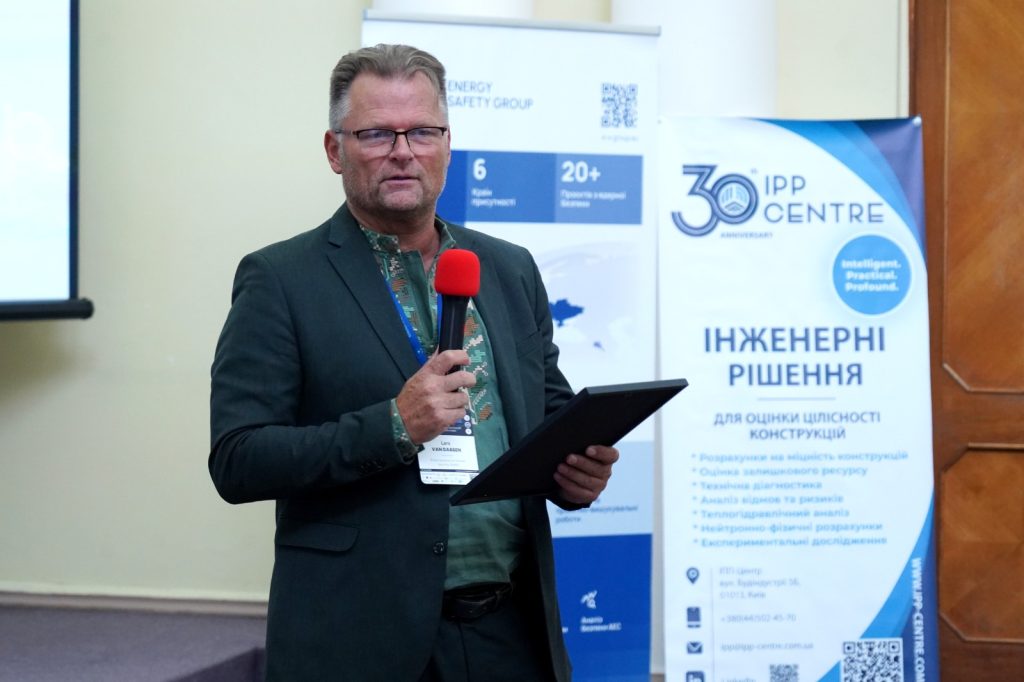
The session also discussed issues of strengthening the nuclear and physical security of nuclear energy facilities, implementing advanced international standards for critical infrastructure protection, preventing internal offenses in the physical protection system of nuclear facilities, risk management under modern challenges and martial law, and effective communication on countering insider threats.
Separate sectional panels of the first day of the conference were dedicated to the development of reactor technologies, innovative nuclear technologies, life extension, and the construction of new NPP power units.
Participants considered technical solutions to improve the efficiency of NPP equipment, prospects for small modular reactors, long-term operation issues, the impact of thermal aging of VVER equipment, personnel reliability in multi-unit accidents, equipment parameter monitoring, turbine condenser cooling, and the status of the implementation of the construction project for power units No. 3 and 4 of the Khmelnytskyi NPP.
Special attention was paid to methodological approaches to assessing the operability of VVER-1000 equipment under conditions of long-term operation up to 80 years. Meanwhile, the topic of developing new nuclear capacities and innovative reactor technologies corresponds to one of the key areas that Energoatom identifies as relevant for the future of Ukraine’s nuclear energy: the construction of new power units, the development of the existing fleet, and the prospects for introducing SMRs.
A significant block of the first day was dedicated to new materials and technologies. Experts presented research on hafnium-based neutron-absorbing materials, evaluation of fuel element cooling reliability, corrosion processes, irradiation of reactor pressure vessel materials, uranium material standards for nuclear forensics, composite materials for radioactive waste management, and remote non-destructive testing of nuclear reactor material condition.
Research on the structural strength of VVER reactor primary circuits and radiation-induced phase stabilization of nanocrystalline materials was also presented.
International cooperation became a separate important component of NUCNEXT 2026 – a session of EURATOM partner projects took place, moderated by Vitalii Zhurenko, PhD in Physics and Mathematics, Senior Researcher at the NSC KIPT, with the involvement of European representatives in an online format. Participants presented the work areas of CONNECT-NM, EURAD-2, PIANOFORTE, and EUROfusion. The presence of international partners enabled Ukrainian experts to discuss relevant European research and technological areas, as well as to demonstrate Ukrainian achievements to the professional community.
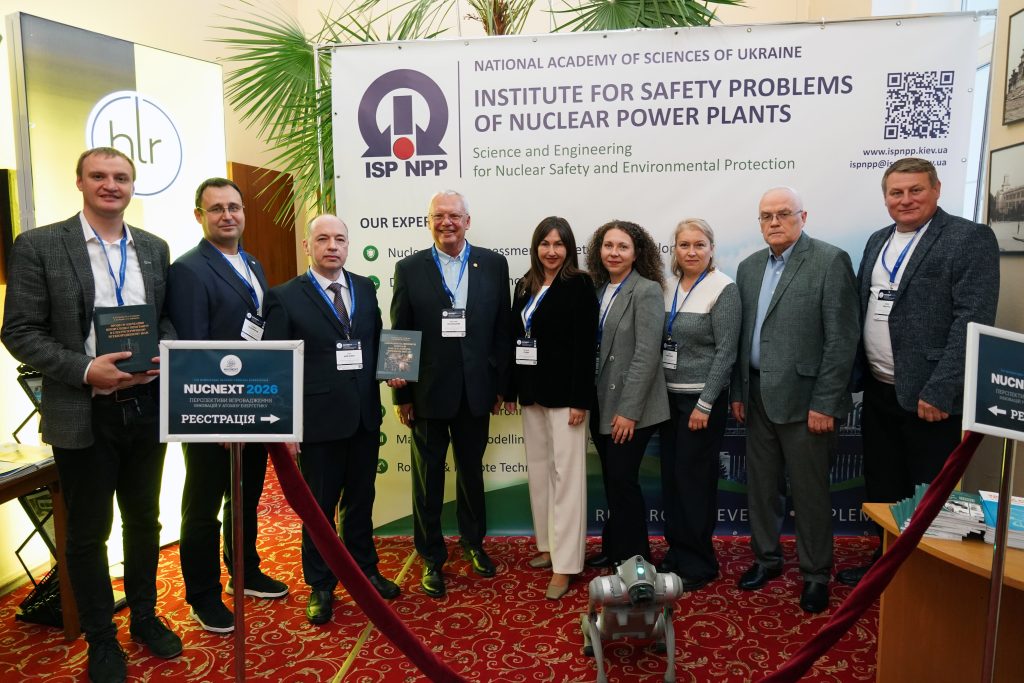
As part of the first day of NUCNEXT 2026, a series of presentations of new scientific publications took place, aimed at presenting the research results and developments of nuclear industry specialists to a wide professional environment.
In particular, Professor Yevhen Pysmennyi of Igor Sikorsky Kyiv Polytechnic Institute presented the textbook “Fundamentals of Turbulence Theory”, which complements the scientific and methodological base for specialists and researchers working with relevant physical and engineering processes. Special attention was drawn by the monograph of Viacheslav Kharchenko, Head of a Department at National Aerospace University “Kharkiv Aviation Institute” (NAU “KhAI”), dedicated to the security of the digital infrastructure of small modular reactors (SMRs). Its topic corresponds to one of the key areas of the conference – the development of new reactor technologies and ensuring their safe operation under digitalization.
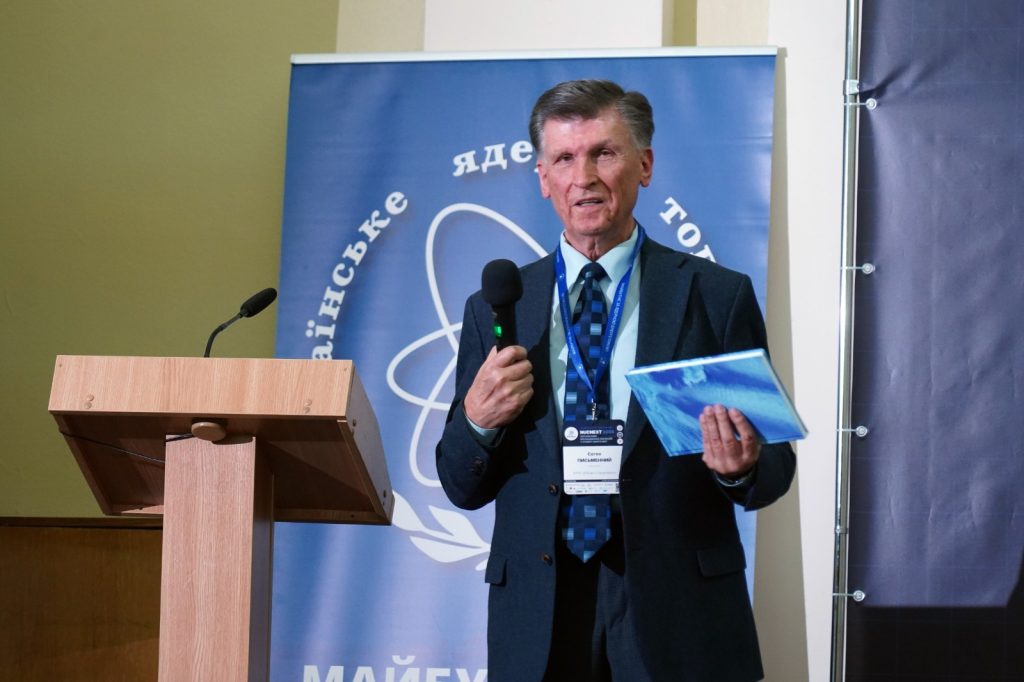
Also, Ihor Zhyhanyuk, Head of Laboratory at the The Institute for Safety Problems of Nuclear Power Plants, presented a monograph dedicated to the lava-like fuel-containing materials of the Chornobyl accident. The publication is an important contribution to the preservation and development of scientific knowledge related to the study of the consequences of the Chornobyl NPP accident and the handling of radioactive materials.
An important component of the conference was the poster session, which provided an opportunity for young scientists, researchers, and engineers to present their own developments and discuss them directly with representatives of the professional community.
Among the presented research works were technologies for removing radionuclides and heavy metals from aquatic environments, early anomaly detection systems at NPPs using data analysis methods, materials and coatings for nuclear engineering, surface cleaning technologies, pipeline repair solutions, improvement of control and protection system absorbing rods for VVER-1000 reactors, graphite purification, and results of the NURECAB project.
This format contributed not only to the presentation of research results but also to professional communication between the authors of developments, representatives of operating organizations, scientists, and potential partners.
The first day of the conference concluded with the popular science event ATOM SLAM-2026, which became a unique continuation of the conference’s professional program and created a space for presenting complex scientific and technological topics in a more accessible form.
Recordings of the video broadcast of the first day of the conference can be viewed at the following links: Grand Hall:
Small Hall:
On September 25, the work of NUCNEXT 2026 continued with parallel sectional meetings in the Grand and Small halls.
The second day covered four major thematic areas: enhancing NPP safety and physical protection, computational innovations, spent nuclear fuel and radioactive waste management, and innovations and communications in nuclear energy. A separate section operated for additional applied and interdisciplinary research.
The morning section of the Grand Hall was dedicated to developments in the field of enhancing NPP safety and physical protection, as well as threats and challenges. Among the presentation topics were the improvement of regulatory conditions for integrating remote access control tools, seismic safety, risk assessment for nuclear facilities resulting from military actions, defense-in-depth, the impact of emergency frequency deviation on NPP equipment, and the role of nuclear energy in the post-war recovery and decarbonization of Ukraine’s economy.
The subsequent section was dedicated to computational innovations to improve NPP safety and efficiency. Participants considered modeling of local destruction of reinforced concrete structures, modeling of the core of small modular reactors, modern solutions for turbine islands, digital twins, improvement of absorbing rod designs, radiation resistance of structural materials, and other areas.
In parallel, a large-scale section operated in the Small Hall, dedicated to innovations in the field of spent nuclear fuel management, radioactive waste management, and radioecology. Reports covered innovative approaches to radioactive waste management at the Zaporizhzhia NPP, optimization of solid radioactive waste disposal, geochemical justification of engineered barriers, monitoring of groundwater in the Chornobyl zone, dismantling of graphite masonry of nuclear installations, modeling of characteristics of containers with graphite waste, automated systems for non-proliferation of radioactive contamination, and modern approaches to the concept of spent nuclear fuel management in Ukraine.
Thus, the conference program covered the entire spectrum of topical issues – from the operation and development of nuclear installations to the final stages of the nuclear fuel cycle and waste management.
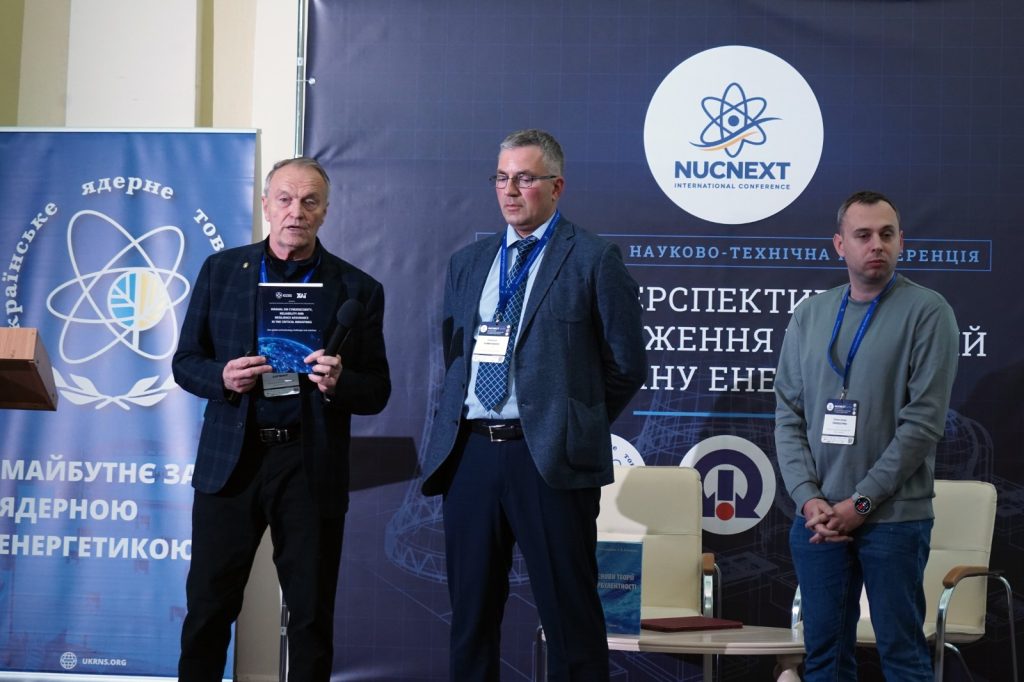
One of the central events of the second day was the signing of a memorandum of cooperation between the NGO “Ukrainian Nuclear Society” and Women in Nuclear Ukraine, as well as the presentation of the Almanac “Nuclear Safety and Security. What’s Next?” by WiN Ukraine and the NGO “Energy Safety Institute”. https://win-ukraine.org.ua/download-the-almanac/
The further conference program covered a wide range of topics: innovations in energy and ensuring their implementation, robotization of radiation-hazardous zones, qualification of NPP power unit equipment, the information environment in the field of nuclear safety and security, measurement of radon concentration in premises that can be used as shelters, and others. The combination of technical reports with communication issues emphasized that the development of modern nuclear energy requires not only technological solutions but also effective interaction between specialists, the state, the scientific community, professional organizations, and society.
A separate block of the second day was dedicated to additional applied and interdisciplinary research. Participants presented works related to radioecological aspects of radiopharmaceutical production, analysis of Ukraine’s uranium raw material base, instrument engineering for ionizing radiation control, BIM technologies in design, the use of SMRs to increase Kyiv’s energy resilience, management of critical infrastructure supply chains, creation of digital twins of high-hazard buildings, and modeling of emergency processes for prospective European SMR concepts. The participation of students and young researchers in this section became another proof that NUCNEXT is a platform for presenting not only established scientific areas but also new ideas and professional achievements of the next generation of specialists.
The moderators of the sectional panels were leading industry specialists and experts, members of the board of the Ukrainian Nuclear Society – Volodymyr Kholosha, President of the Ukrainian Nuclear Society; Volodymyr Borisenko, Director of the ISP NPP of the NAS of Ukraine; Anatoliy Nosovskyi, Academician of the National Academy of Sciences of Ukraine, Advisor to the Directorate of the ISP NPP of the NAS of Ukraine; Oleksandr Mazurok, Co-Chair of the Scientific and Analytical Section of UkrNS, CTO of Energy Safety Group; Pavlo Tsykalchuk, Deputy Director for Physical Protection – Director of the Department of Physical Protection of Nuclear Installations and Nuclear Materials of JSC “NNEGC “Energoatom”; Valeriy Zuyok, Senior Researcher at NSC KIPT; Yevhen Malyi, Senior Researcher at the Institute for Nuclear Research of the National Academy of Sciences of Ukraine; and Khrystyna Lylak, Communications Director of the Ukrainian Nuclear Society.
Recordings of the video broadcast of the second day of the conference can be viewed at the following links:
Grand Hall
Small Hall
Over the two days, NUCNEXT 2026 demonstrated the breadth of tasks facing the Ukrainian nuclear industry today. It was the comprehensive nature of the program that allowed considering the future of nuclear energy not from the perspective of a separate technology or enterprise, but as a result of the interaction of science, industry, state regulation, international partnership, and the professional community. As noted during the conference, for the development of Ukraine’s nuclear energy, it is important already today to create conditions for the introduction of new technologies and to unite the efforts of scientists, industry, state institutions, and international partners.
The conference confirmed the high level of interest of the professional community in issues of technological development of nuclear energy and demonstrated a wide range of Ukrainian scientific, engineering, and applied developments.
Based on the results of the conference, a collection of abstracts will be published, and a conference resolution will be formed, which will be sent to public authorities, international organizations, and partners.
The organizers of NUCNEXT 2026 express their sincere gratitude to all partners, co-organizers, sponsors, and information partners, thanks to whose support the conference became a platform for professional dialogue, exchange of scientific achievements, and discussion of topical tasks for the development of nuclear energy. The conference was organized by the Ukrainian Nuclear Society, the Council of Young Scientists under the Department of Energy and Energy Technologies of the National Academy of Sciences of Ukraine, and the Institute for Safety Problems of NPPs of the National Academy of Sciences of Ukraine. Special thanks to the general partner – JSC “NNEGC “Energoatom” – for supporting the event and developing professional interaction between the scientific community, the nuclear industry, and international partners.
An important contribution to the conference was made by the Council of Young Scientists under the Department of Nuclear Physics and Energy of the National Academy of Sciences of Ukraine, the Council of Young Scientists of the Institute for Nuclear Research of the National Academy of Sciences of Ukraine, and the State Scientific and Technical Center for Nuclear and Radiation Safety as co-organizers. The organizers also express their gratitude for the sponsorship support to Energy Safety Group, IPP-Centre, Phoenix Contact Ukraine, CHEMLABORREACTIV LLC, RPE “Atom Komplex Prylad”, Witkowitz Atomica / Synergoatom, LIRA SOFT LLC.
Special thanks go to the information partners of the conference: World Institute for Nuclear Security (WINS), European Nuclear Education Network (ENEN), Nurecab, Hromadske Radio, the magazine “Nuclear Energy and Environment”, and the newspaper “Svit”. Their information support contributed to spreading information about the conference and engaging representatives of the scientific, educational, expert, and international communities in professional dialogue.
Presentations of the reports can be viewed later on the conference website at the link:
https://nucnext-2026.ukrns.org/