Educational Event “How a Nuclear Power Plant Works” at the Polytechnic Lyceum of NTUU “Igor Sikorsky KPI” in Kyiv
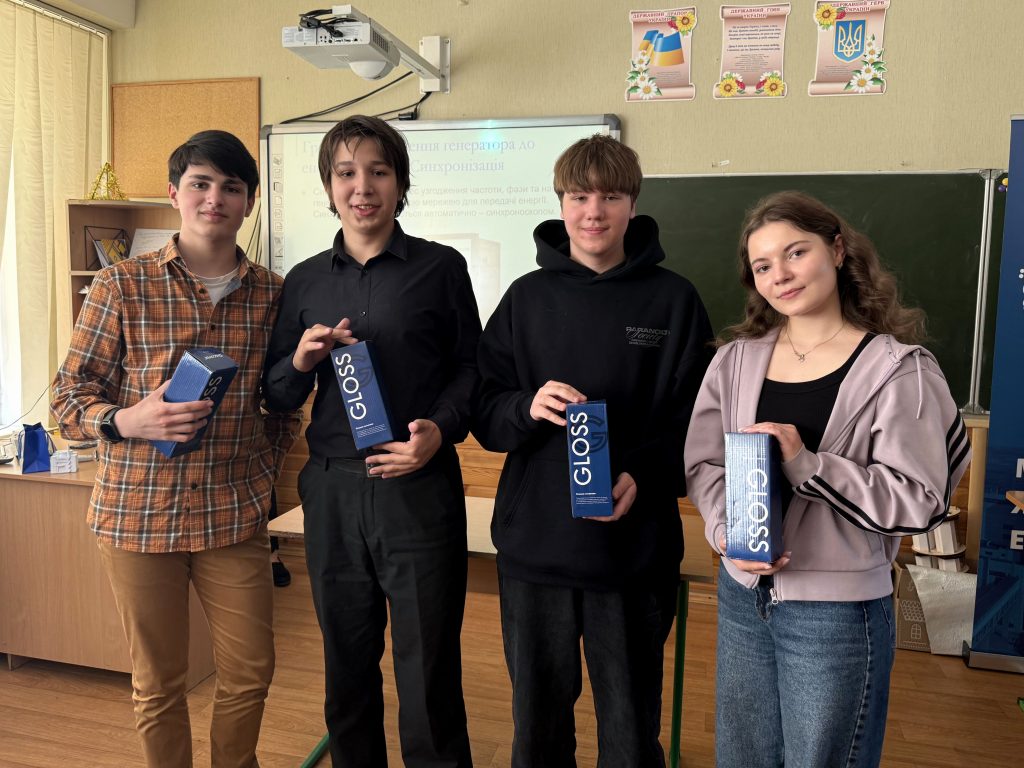
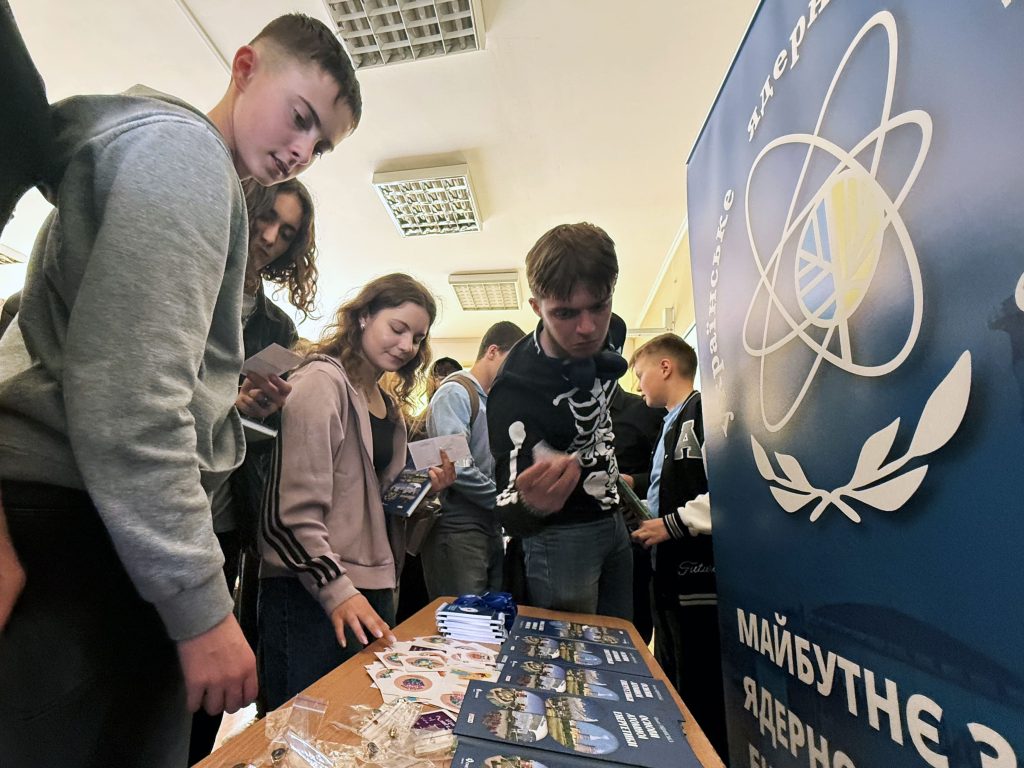
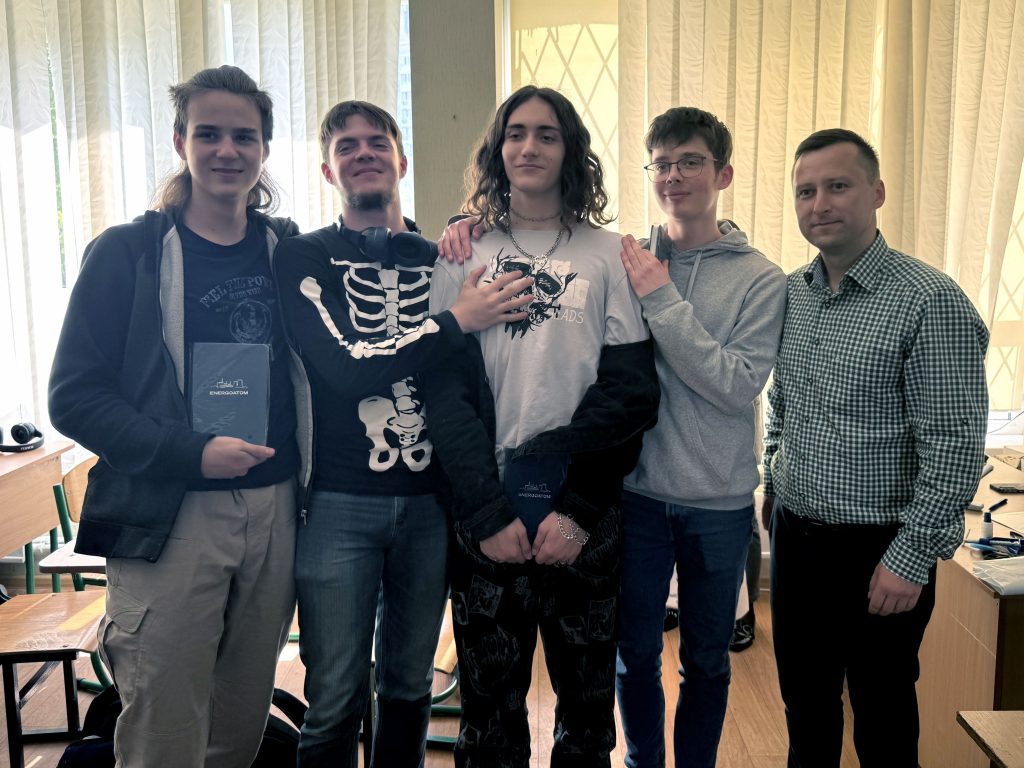
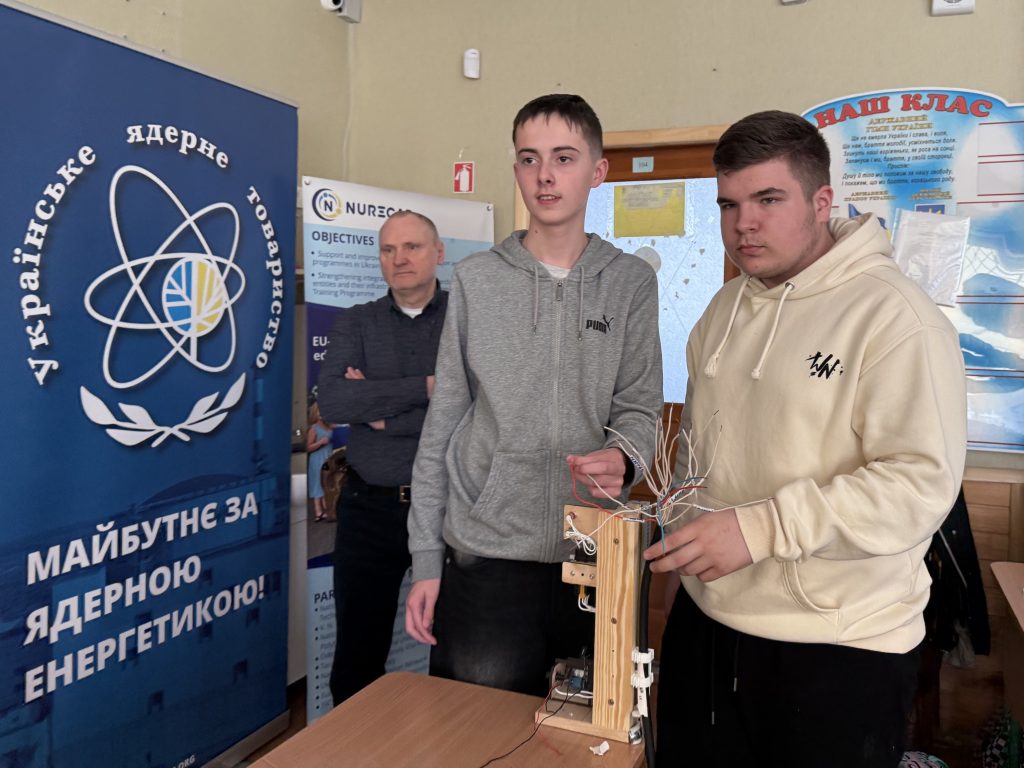
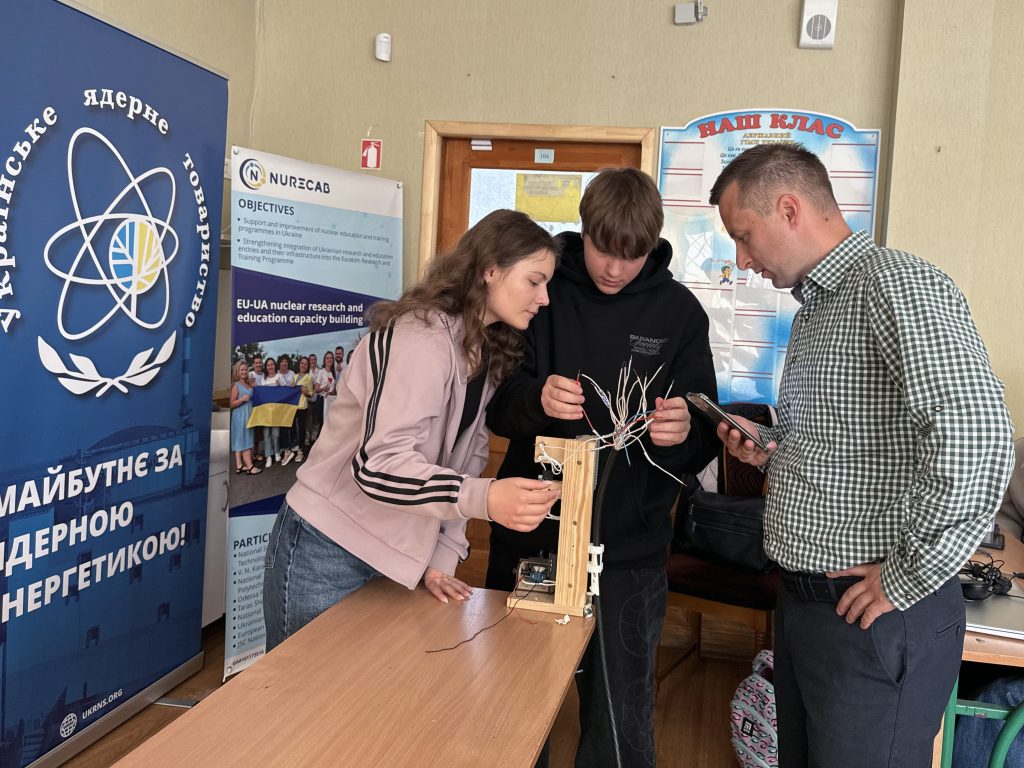
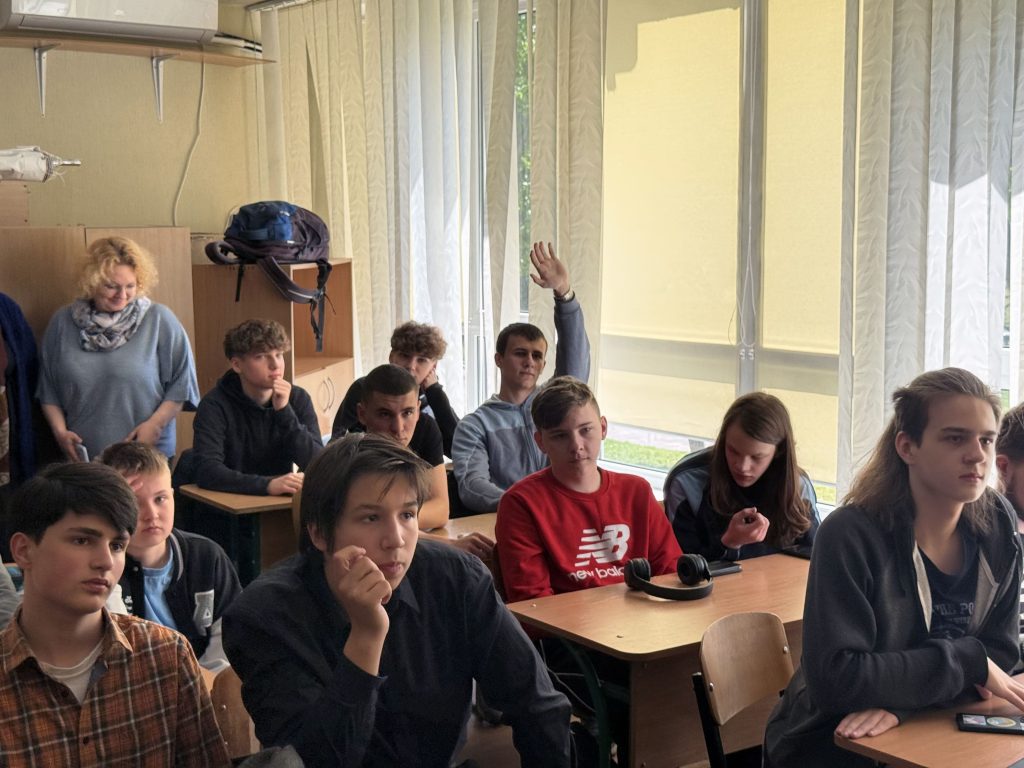
On April 29, 2025, an educational event titled “How a Nuclear Power Plant Works” was held for high school students at the Polytechnic Lyceum of the National Technical University of Ukraine “Igor Sikorsky Kyiv Polytechnic Institute” (NTUU “KPI”) in Kyiv. The initiative was organized by the Ukrainian Nuclear Society (UkrNS) with the support of JSE NNEGC “Energoatom” as part of the NURECAB project (EU-UA Nuclear Research and Education Capacity Building), aimed at advancing nuclear education, workforce development, and fostering educational and research networks in Ukraine and the EU.
The goal of the event was to introduce students to the fundamentals of nuclear energy, provide an overview of the current state and future prospects of the industry, and expand awareness of career opportunities in the peaceful use of nuclear technology.
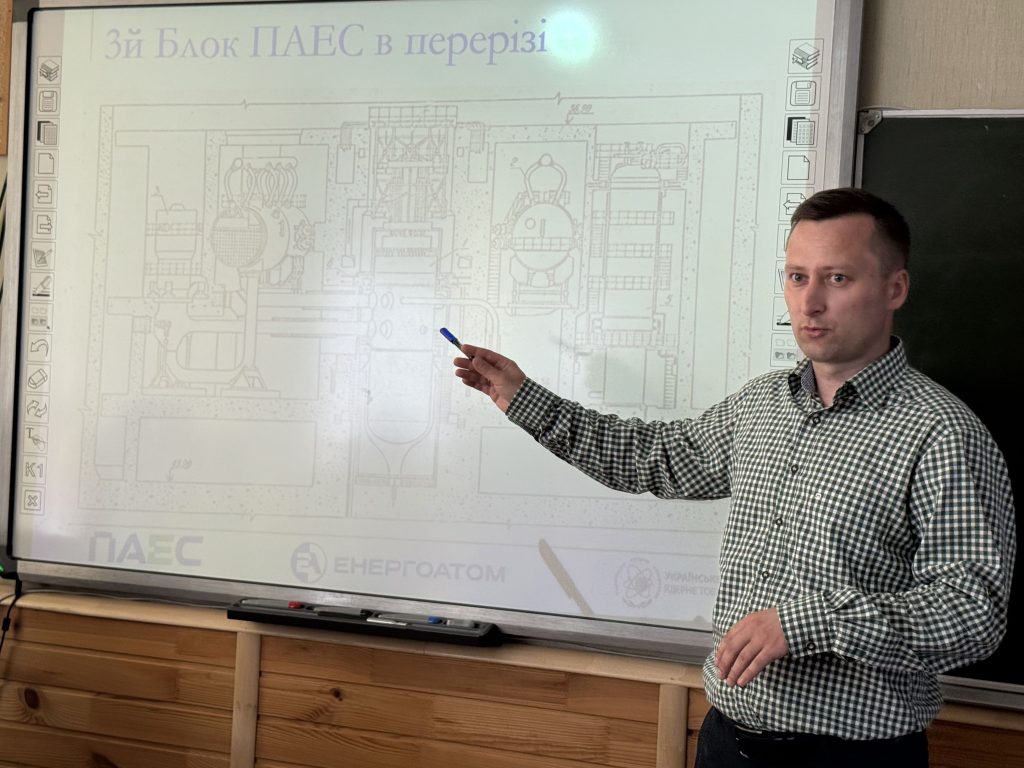
During the meeting, representatives of UkrNS and Energoatom presented key information about the operation and development of the nuclear sector in Ukraine, as well as the project “How a Nuclear Power Plant Works.” This initiative was originally developed by the UkrNS branch in the city of Pivdennoukrainsk as a tool for popularizing nuclear energy among youth and supporting career guidance. The success of the initiative at the local level enabled its expansion to other regions of Ukraine.
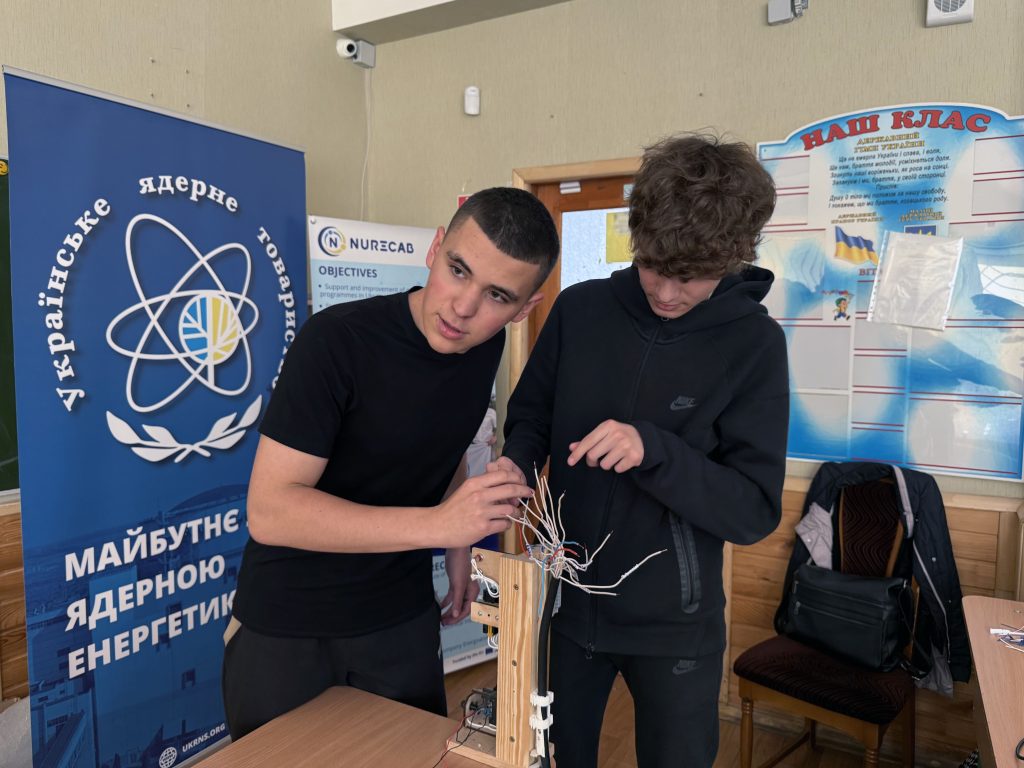
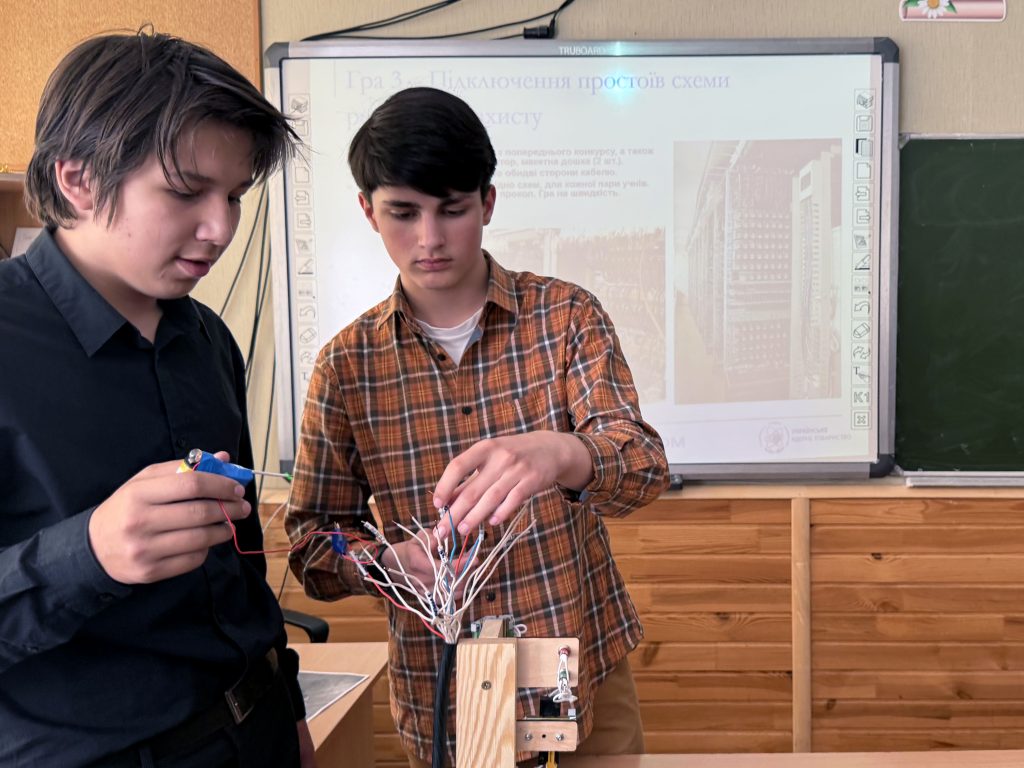
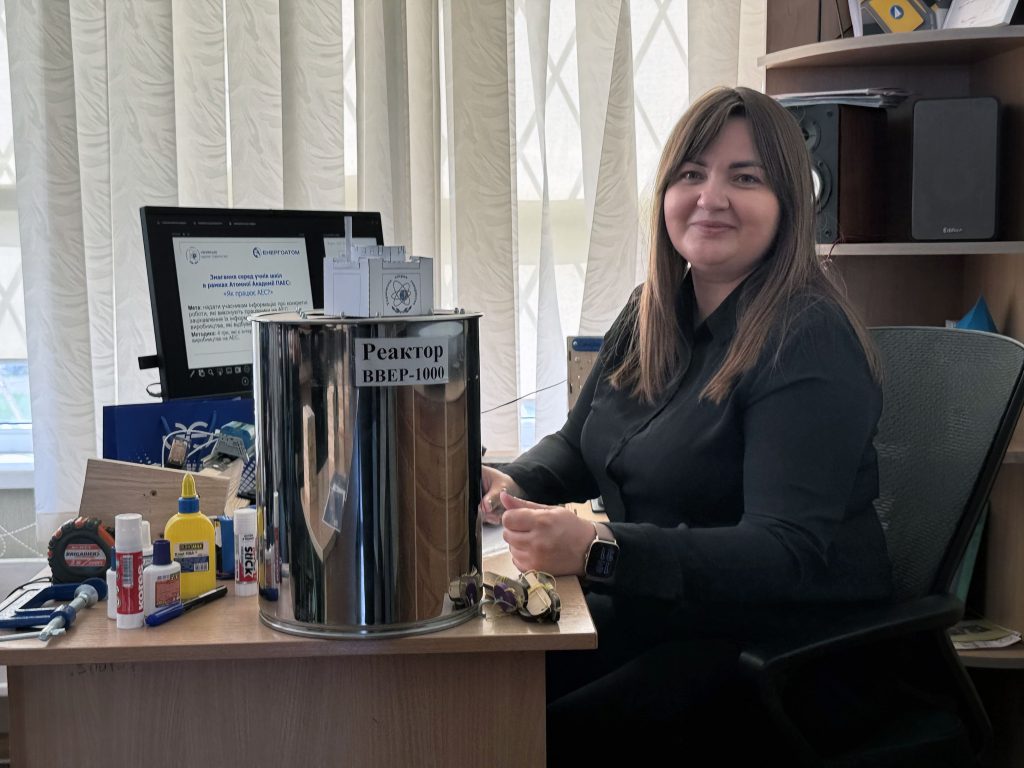
This time, specialists from the South Ukraine NPP — Vitalii Khomenko and Svitlana Kostenyuk — conducted a series of interactive mini-games explaining the main technological processes at nuclear power plants. The Polytechnic Lyceum, one of Kyiv’s leading academic institutions focused on preparing students for admission to nuclear-related universities such as NTUU “KPI”, served as an ideal platform for this outreach activity.
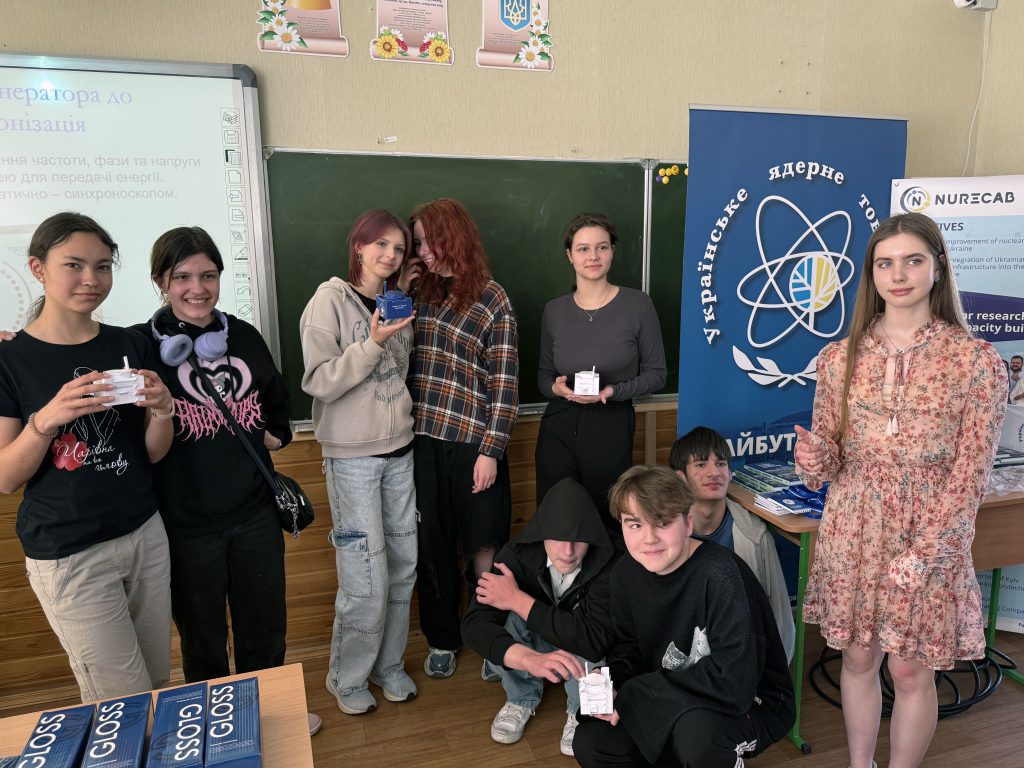
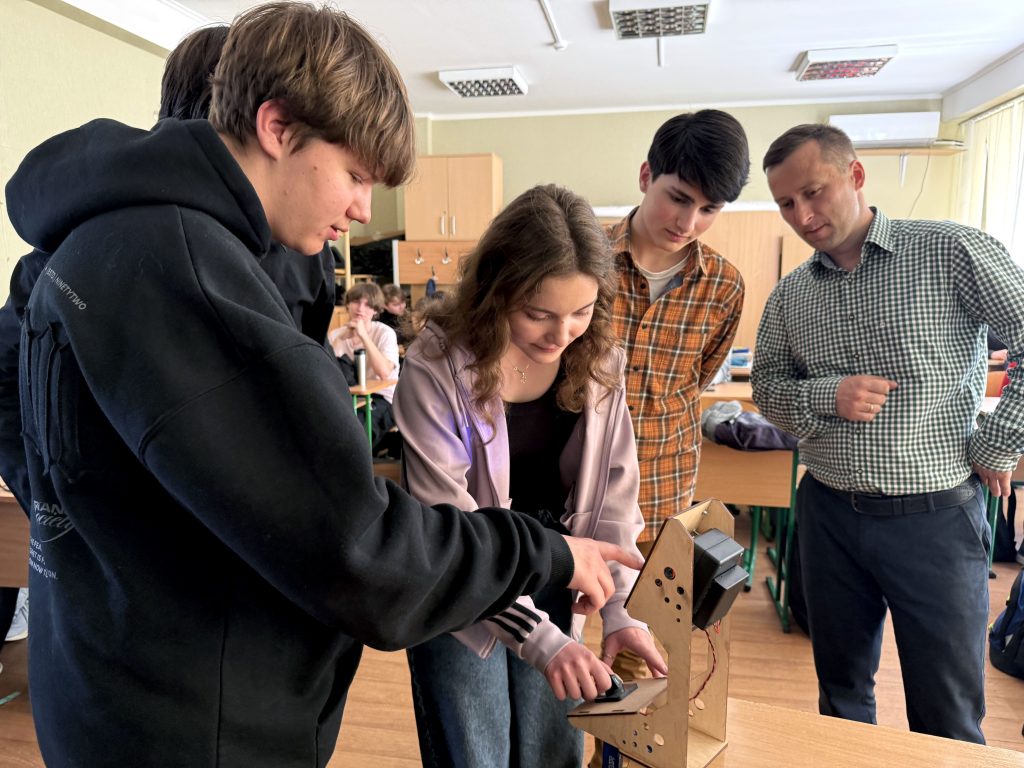
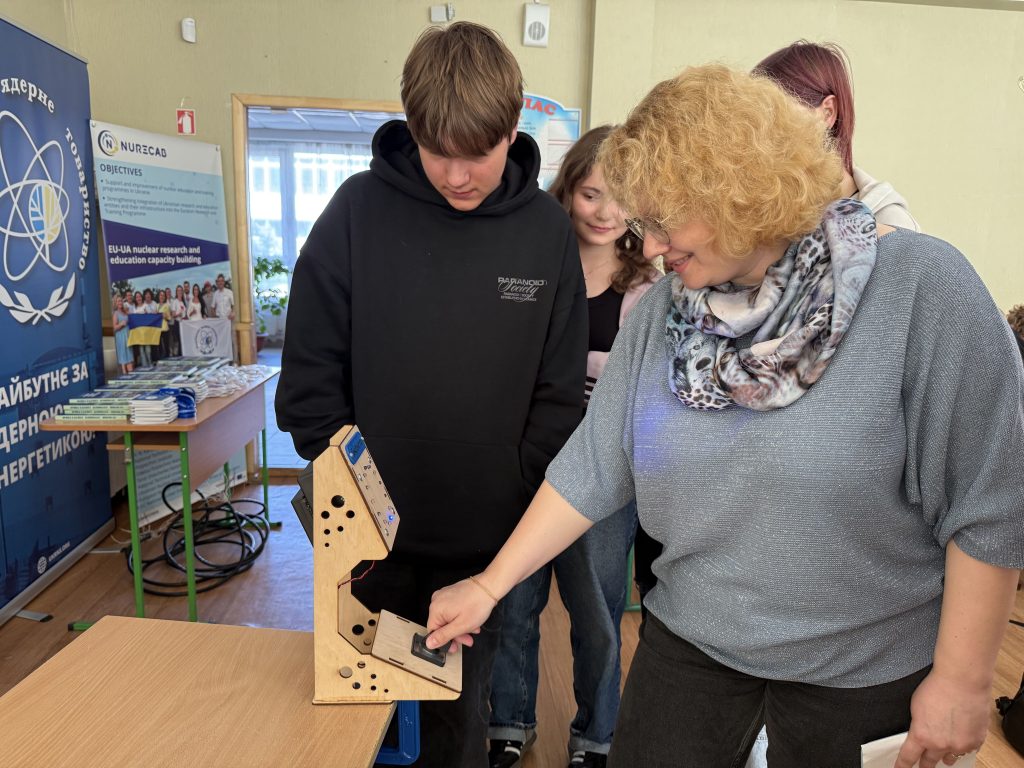
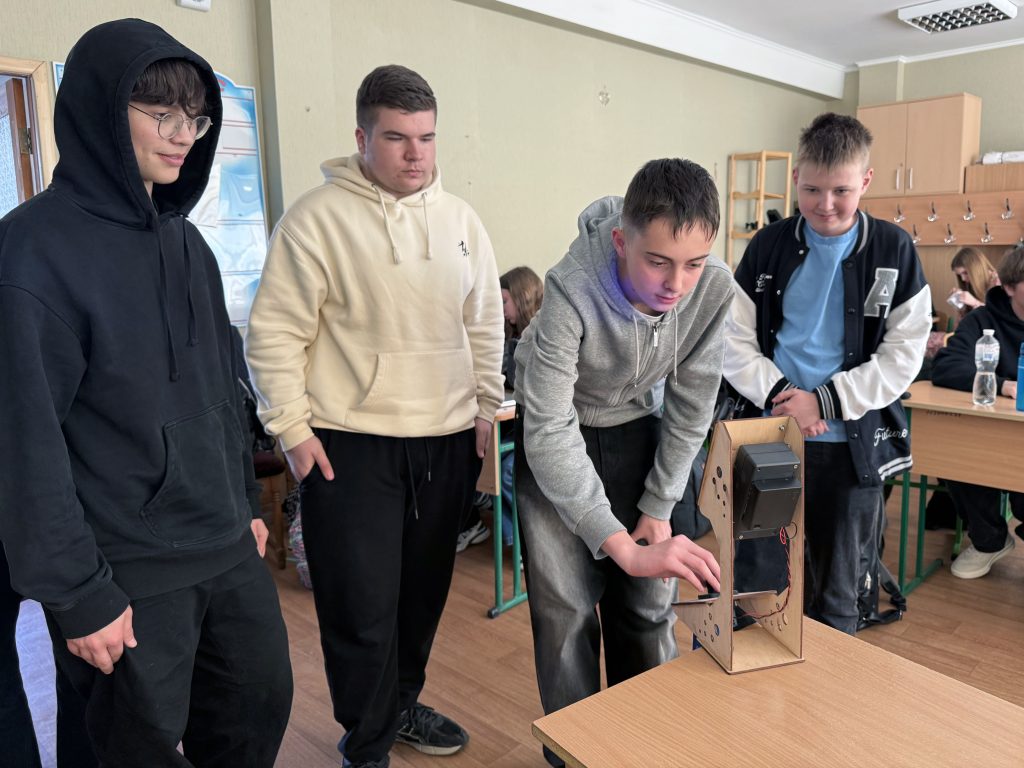
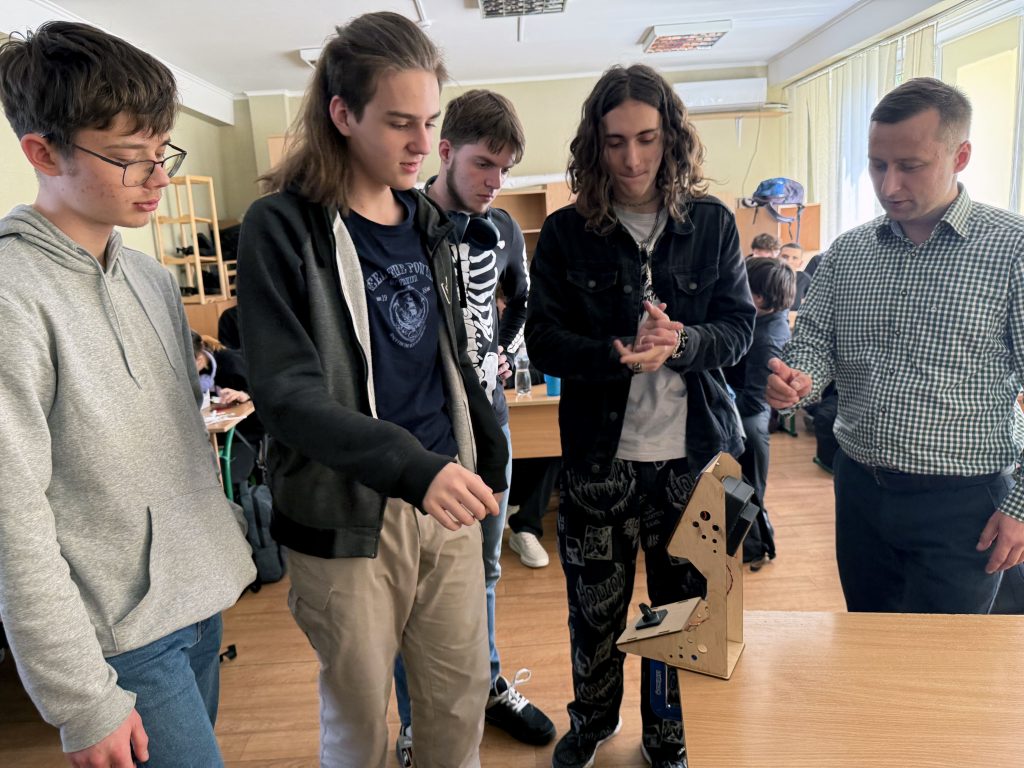
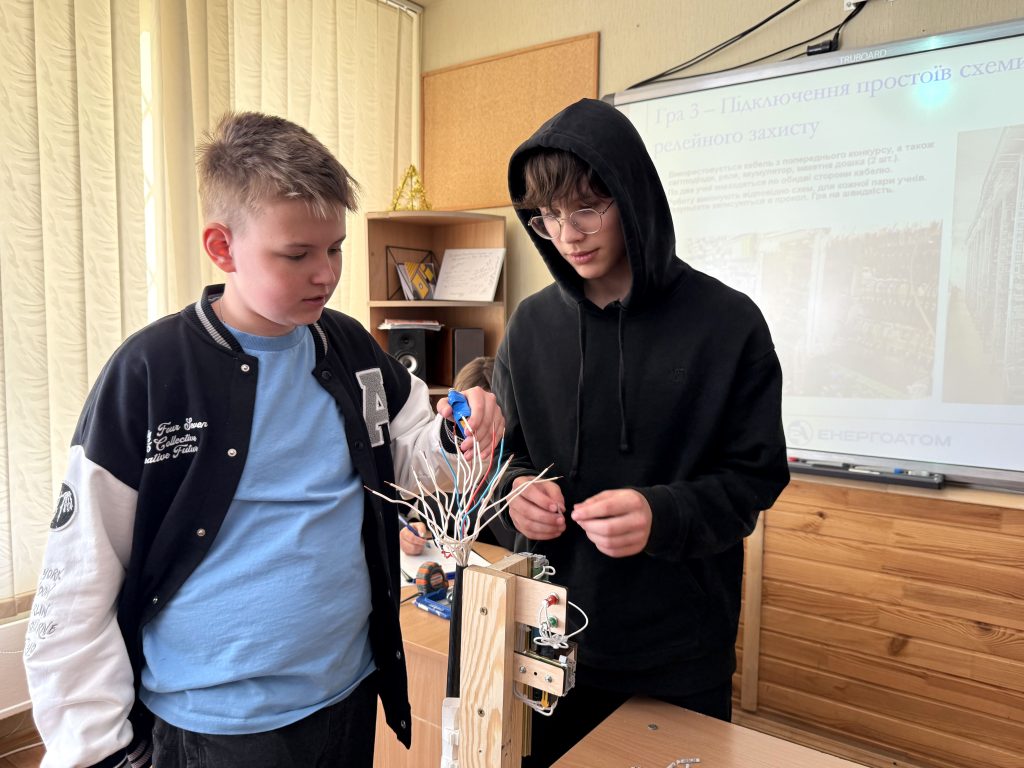
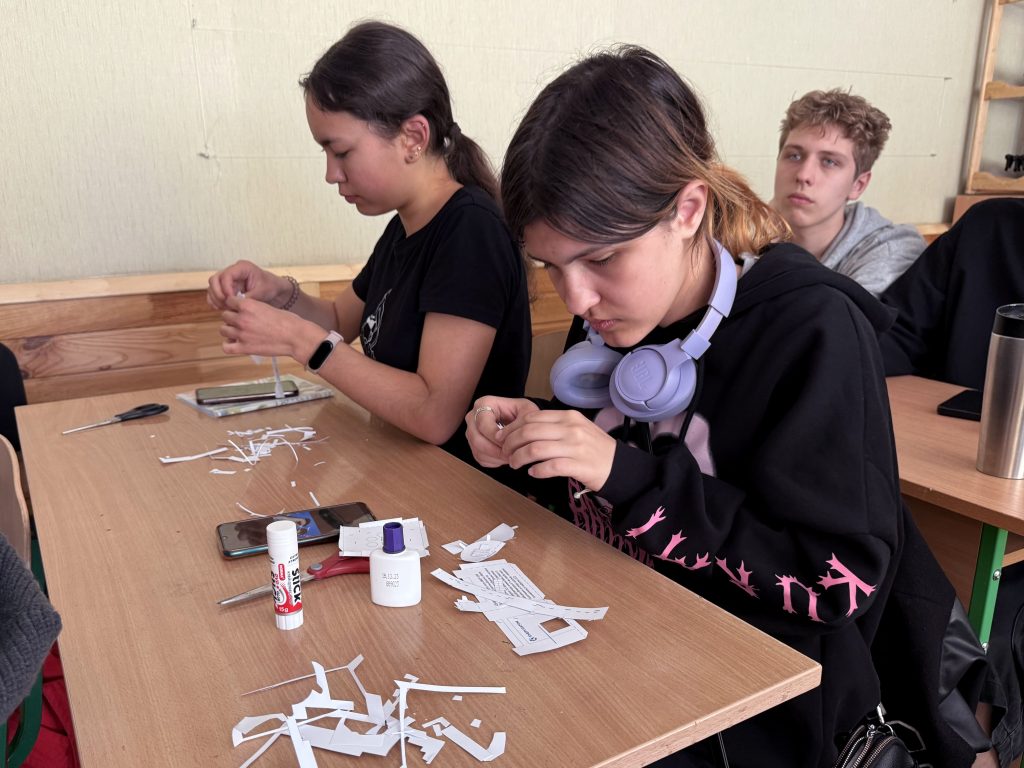
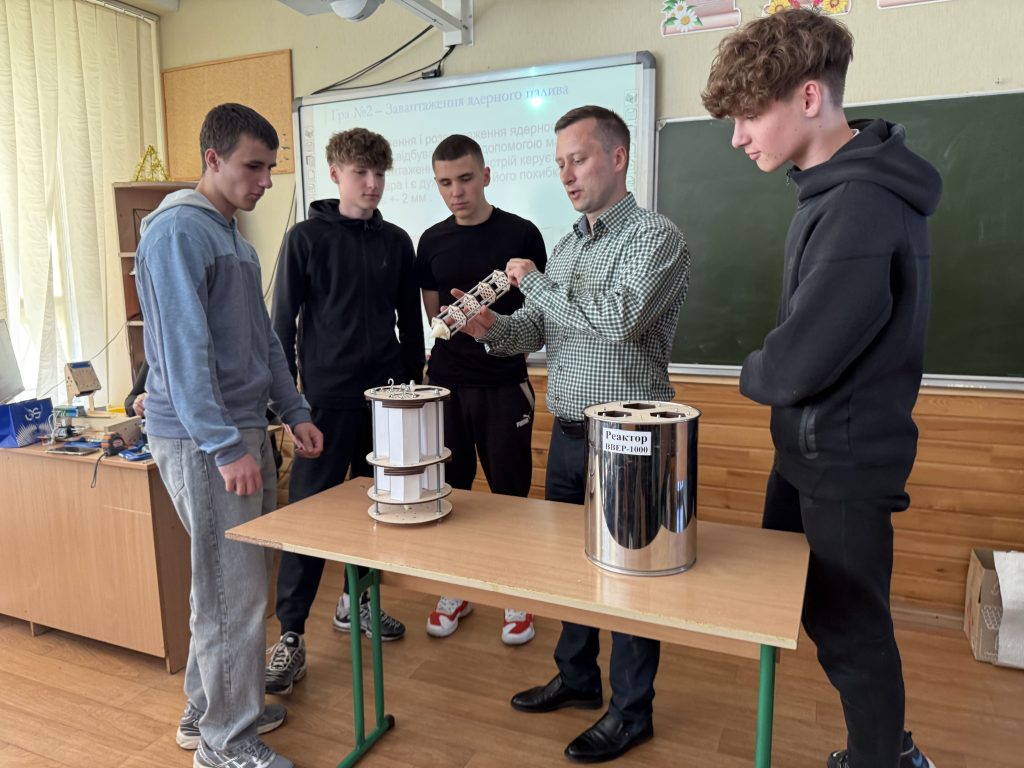
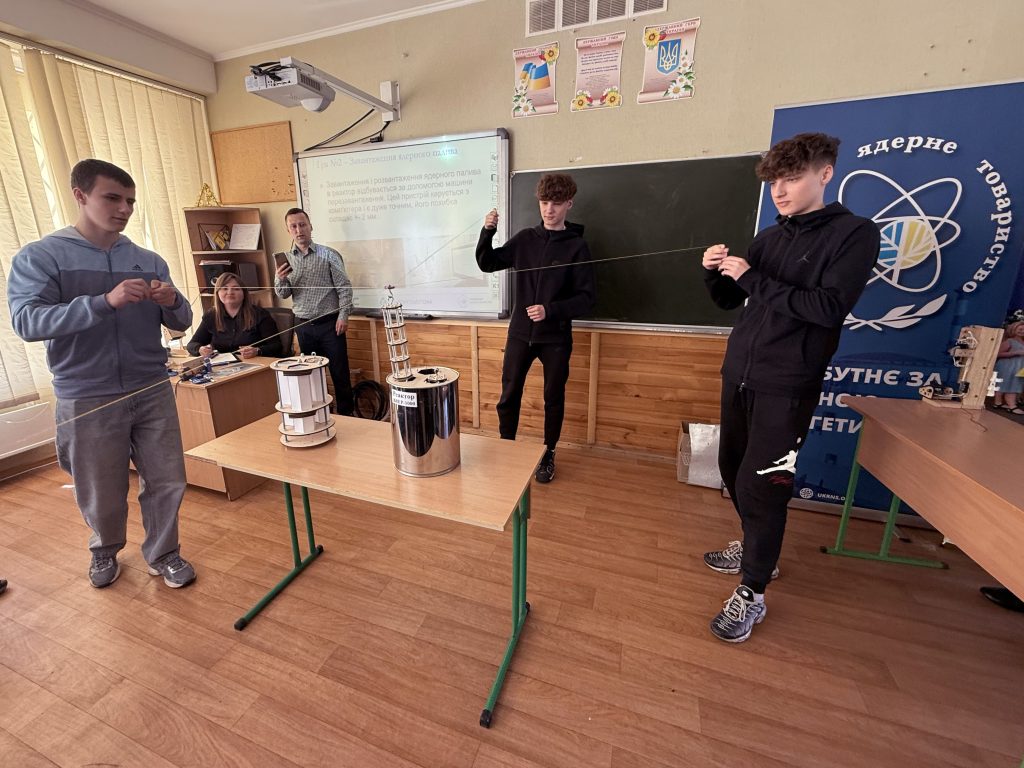
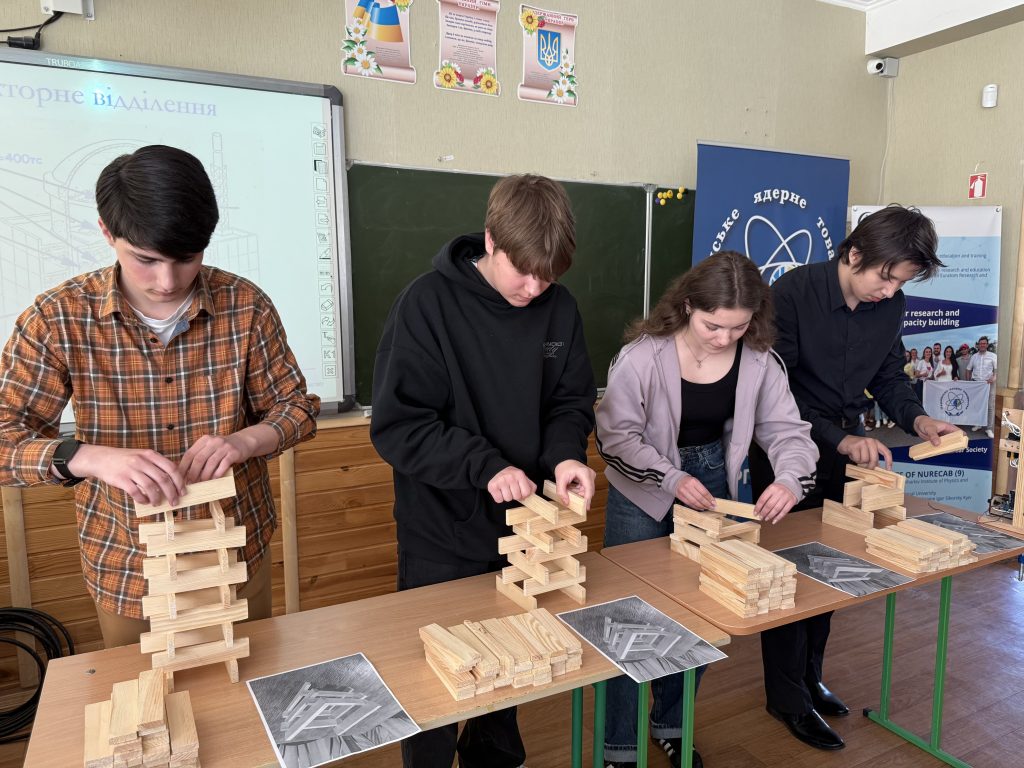
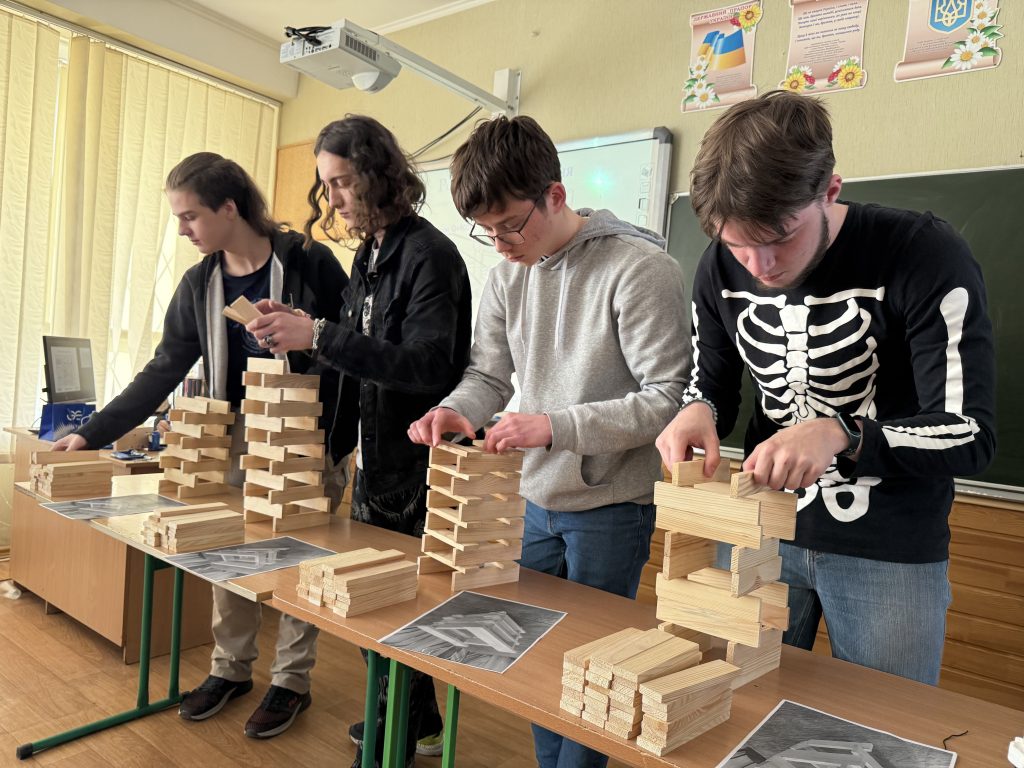
Students learned about various stages of NPP operation — from construction and fuel loading to turbine operation, open switchyard systems, and synchronization of the power unit with the grid. Each information block was supported by engaging hands-on activities in the format of dynamic mini-games, using custom-built equipment models created by SUNPP specialists.
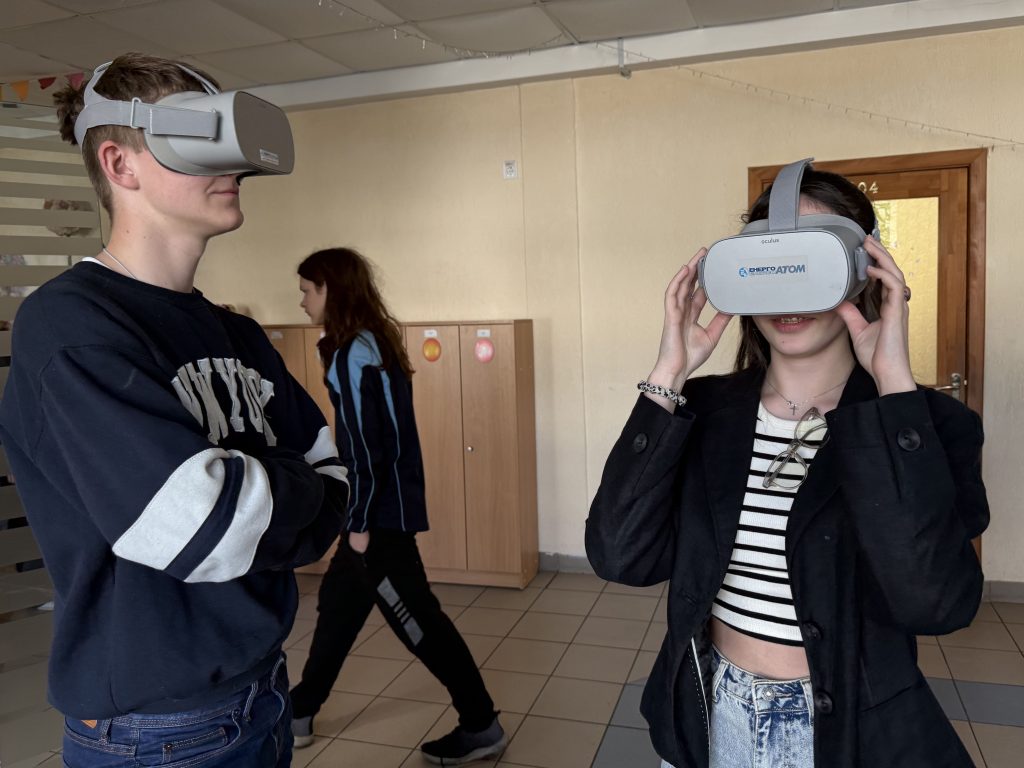
For example, in the game “Fuel Loading,” participants simulated the process of placing model fuel rods into a reactor using coordinated teamwork to control the handling and positioning of a mock fuel element (TVEL). Students also had the opportunity to assemble a nuclear power unit model using special templates and take a virtual tour of one of Ukraine’s nuclear power plants.
These initiatives are part of the ongoing effort by UkrNS and its partners to foster trust in the peaceful use of nuclear energy and to encourage senior students to consider pursuing higher education in nuclear-related fields.