Ukrainian Nuclear Society at NESTet 2026: Building Resilience through Education
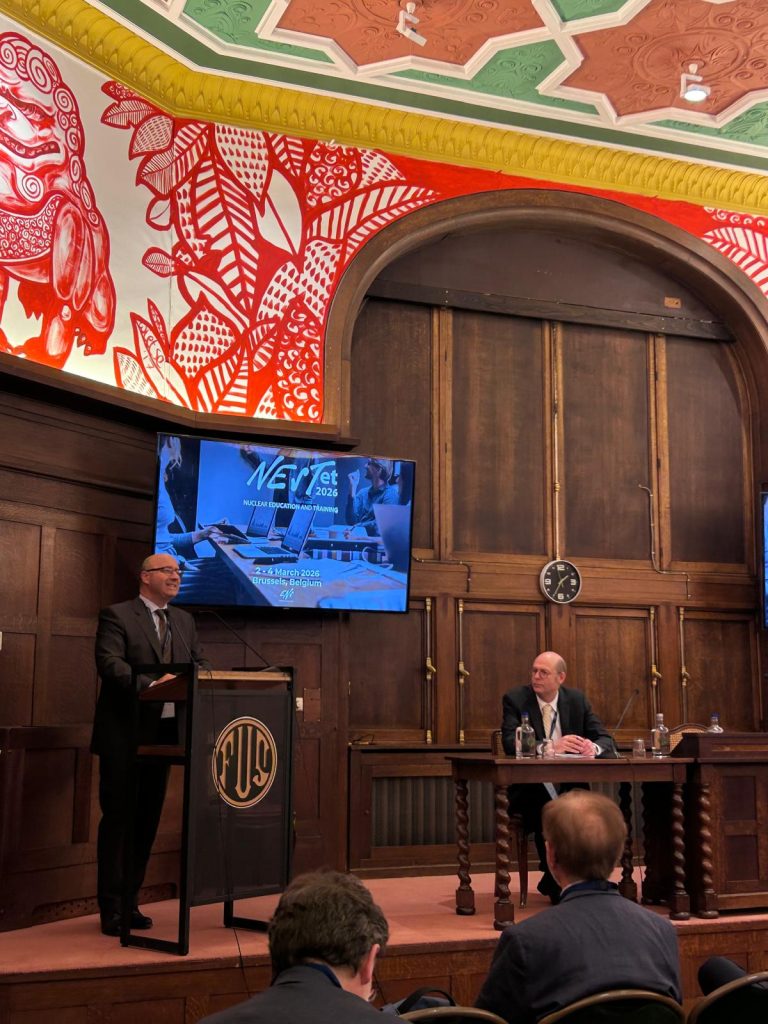
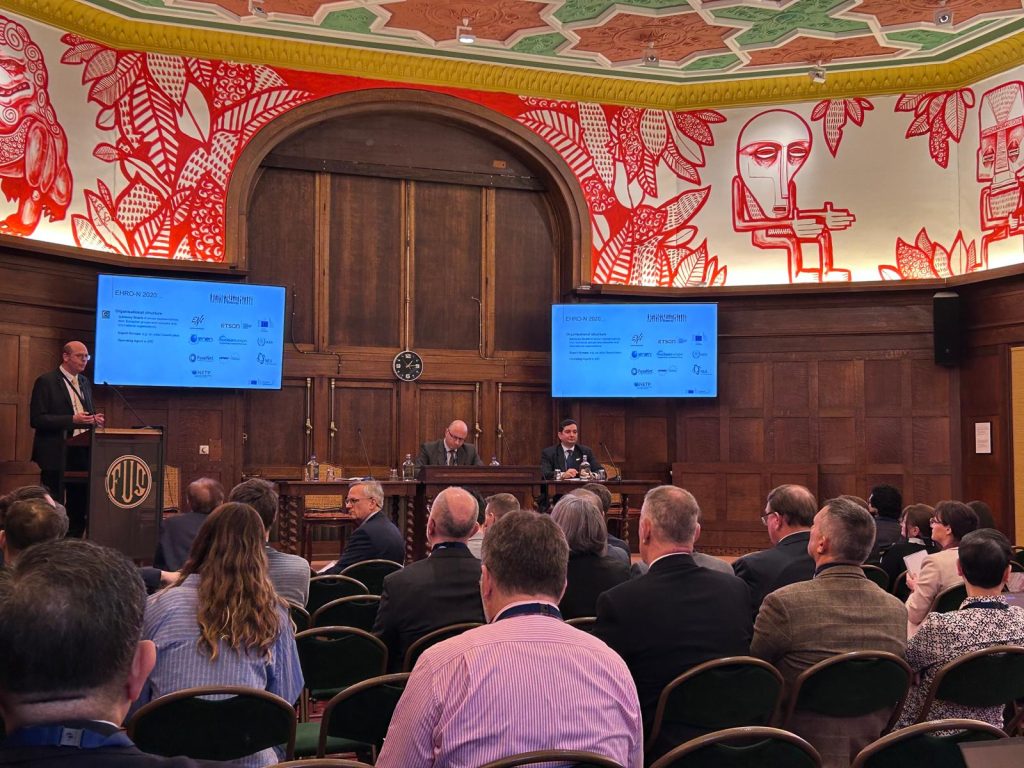
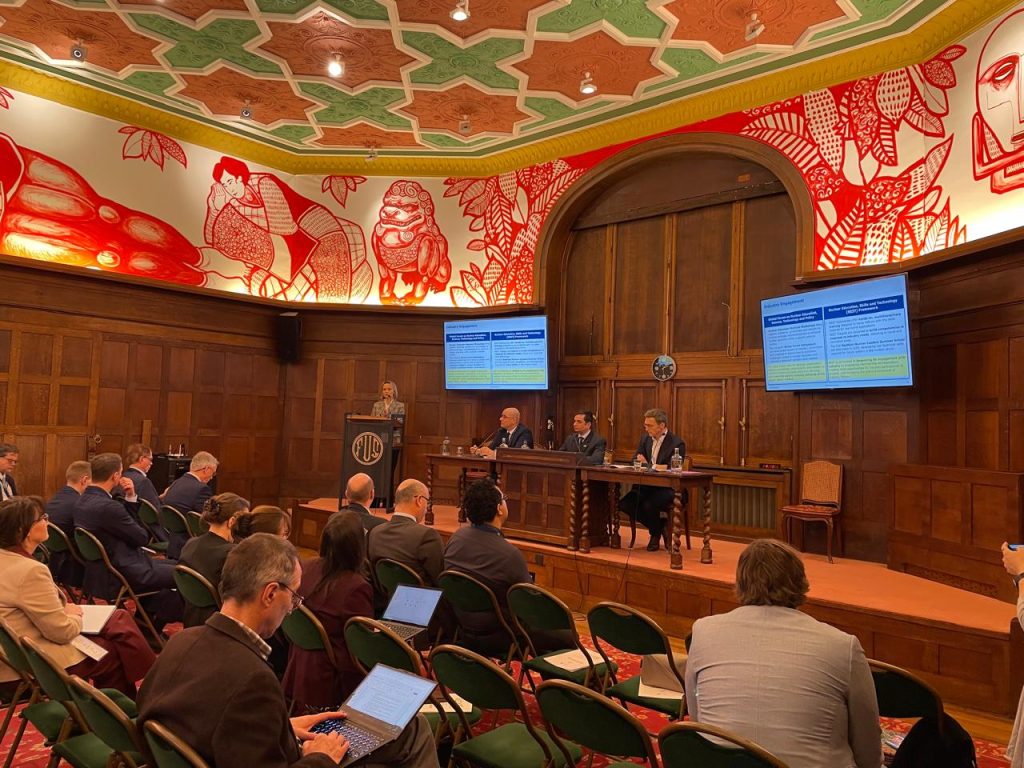
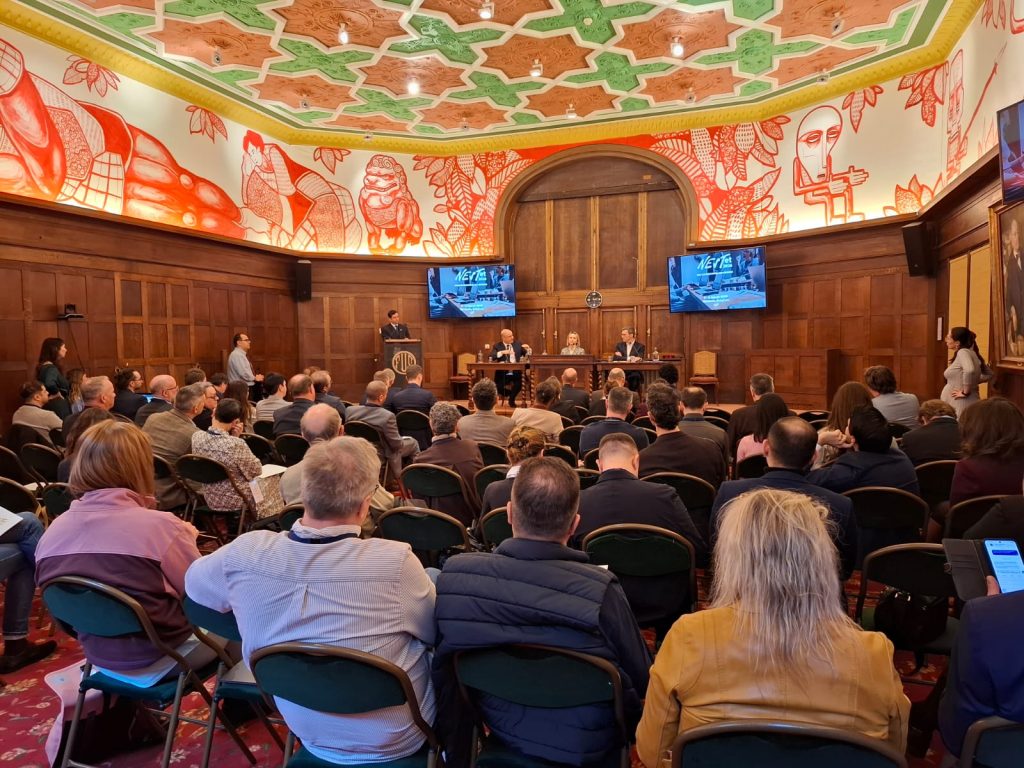
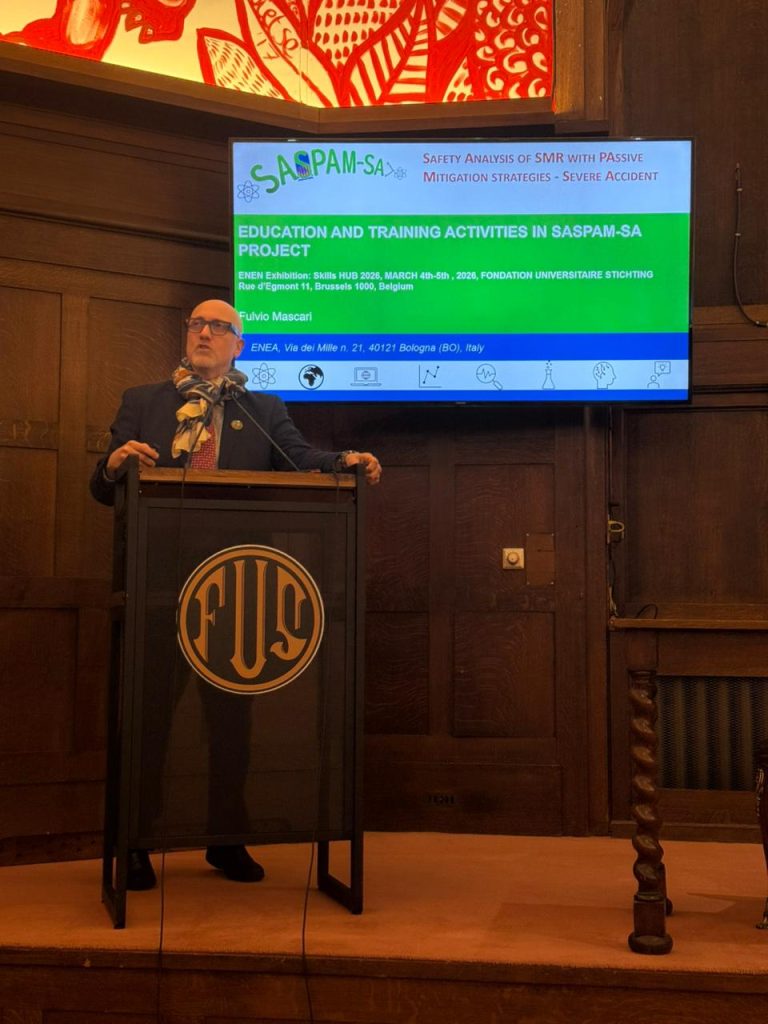
Representatives of the Ukrainian Nuclear Society (UkrNS) recently participated in NESTet 2026 (Nuclear Education and Training), one of Europe’s premier events dedicated to human capital development, education, and professional training within the nuclear sector. Organized by the European Nuclear Society with support from the ENEN Association, the conference brought together leading experts from the European Commission (Joint Research Centre, DG RTD), the IAEA, the OECD Nuclear Energy Agency, and major European energy corporations.
The central theme of NESTet 2026 focused on building a resilient and adaptive nuclear workforce, a goal considered critical for Europe’s long-term energy stability. Within this framework, Ukraine’s experience drew significant international interest as a profound example of unprecedented resilience and the ability to maintain high educational standards despite the immense challenges of wartime.
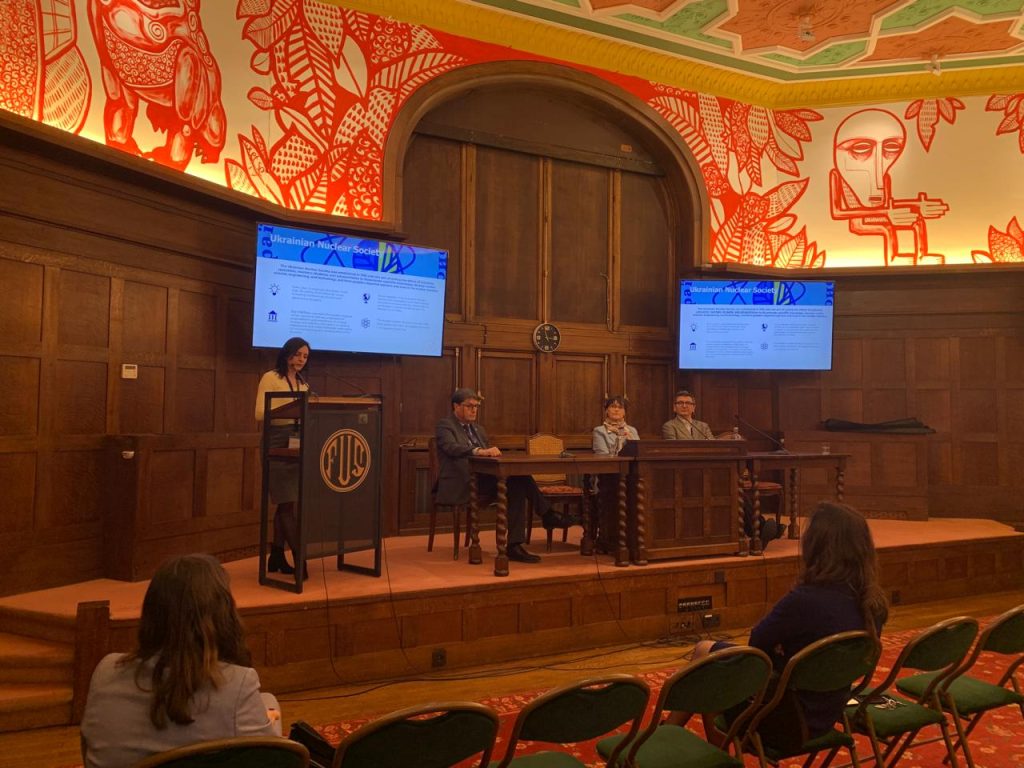
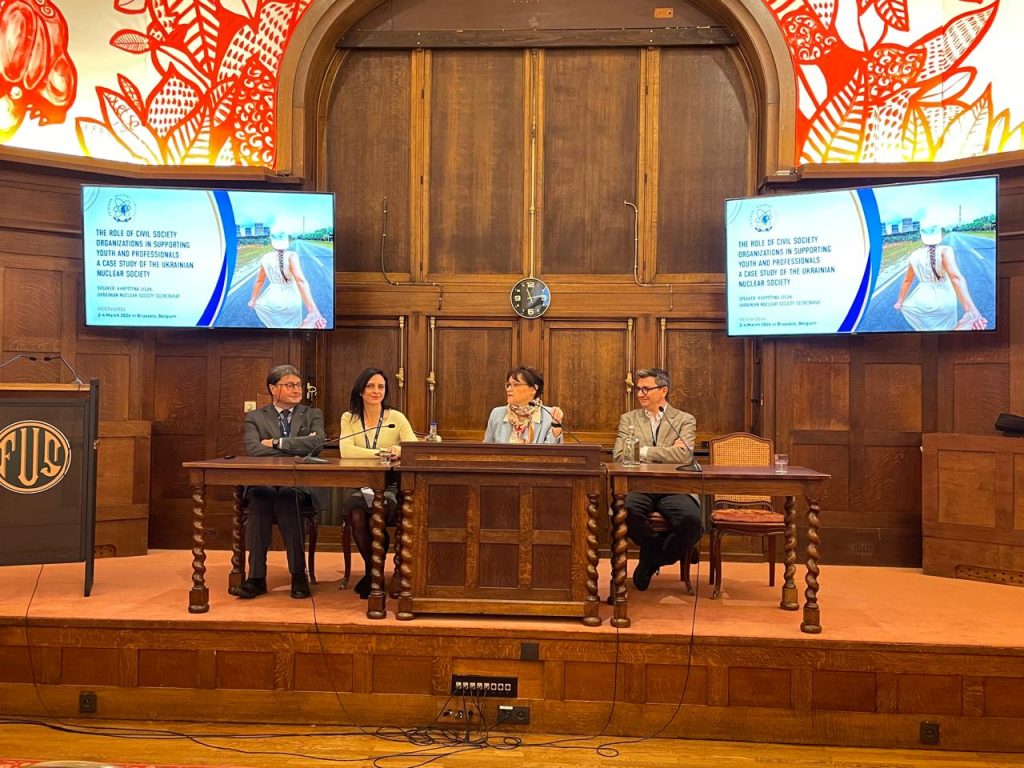
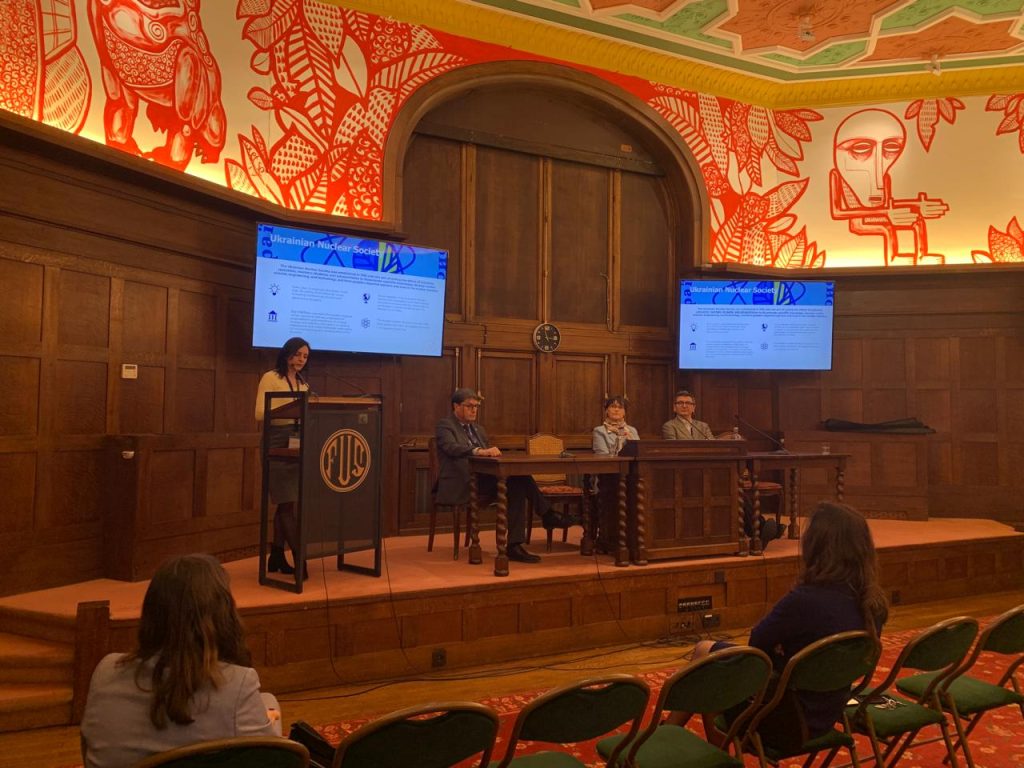
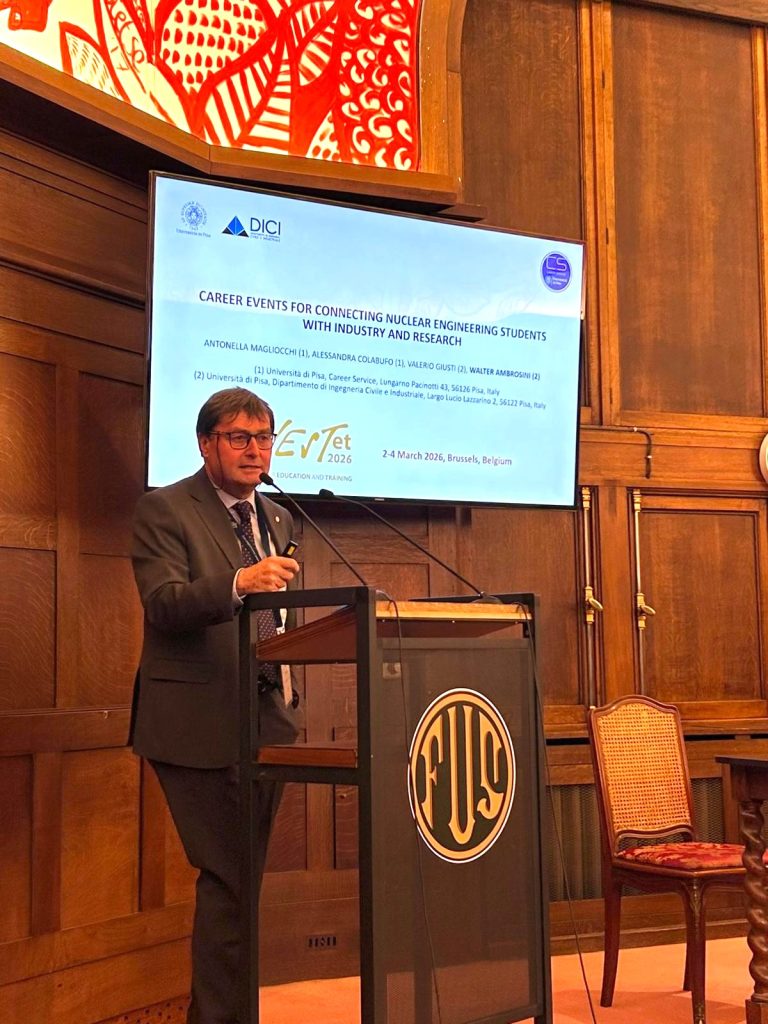
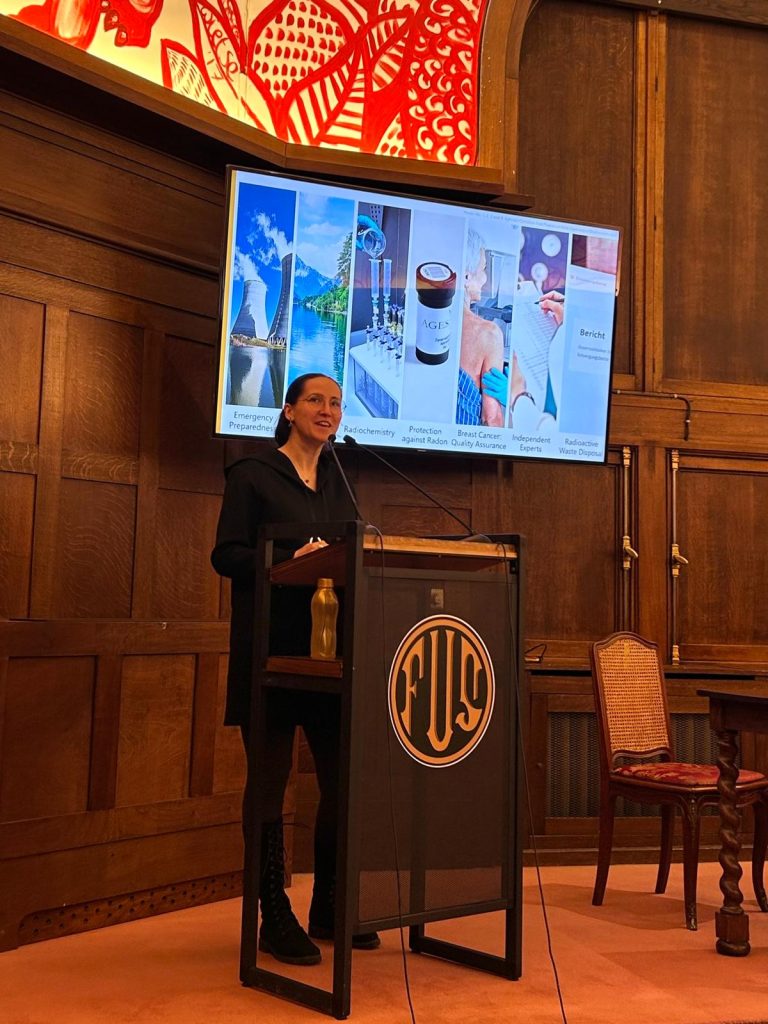
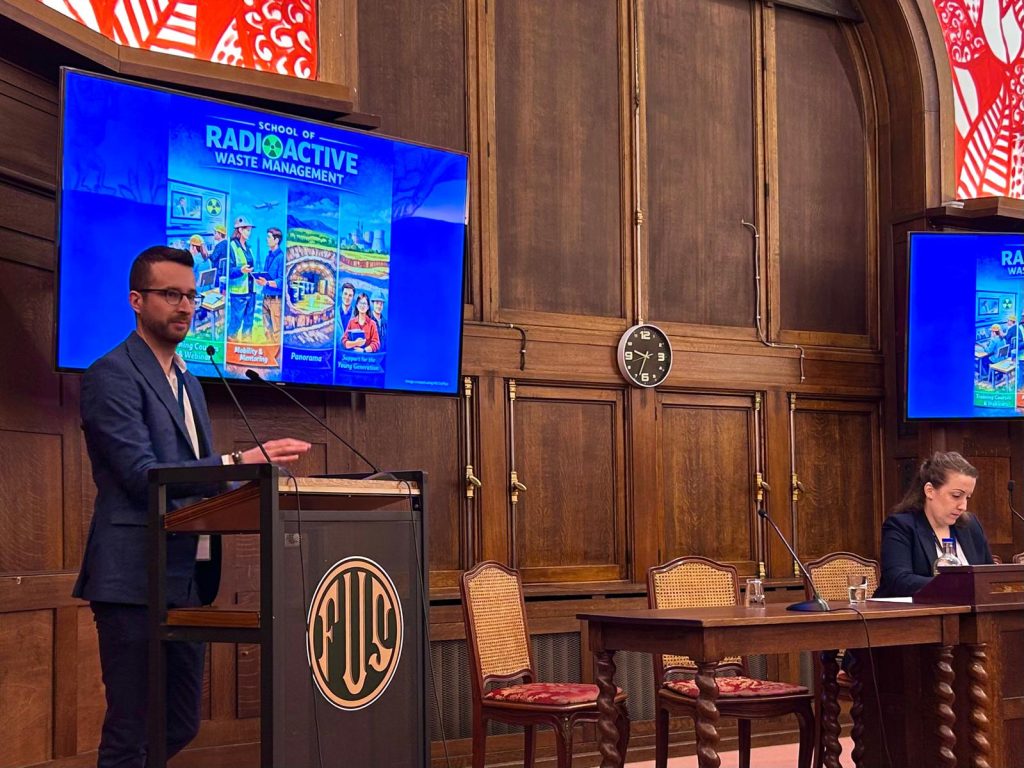
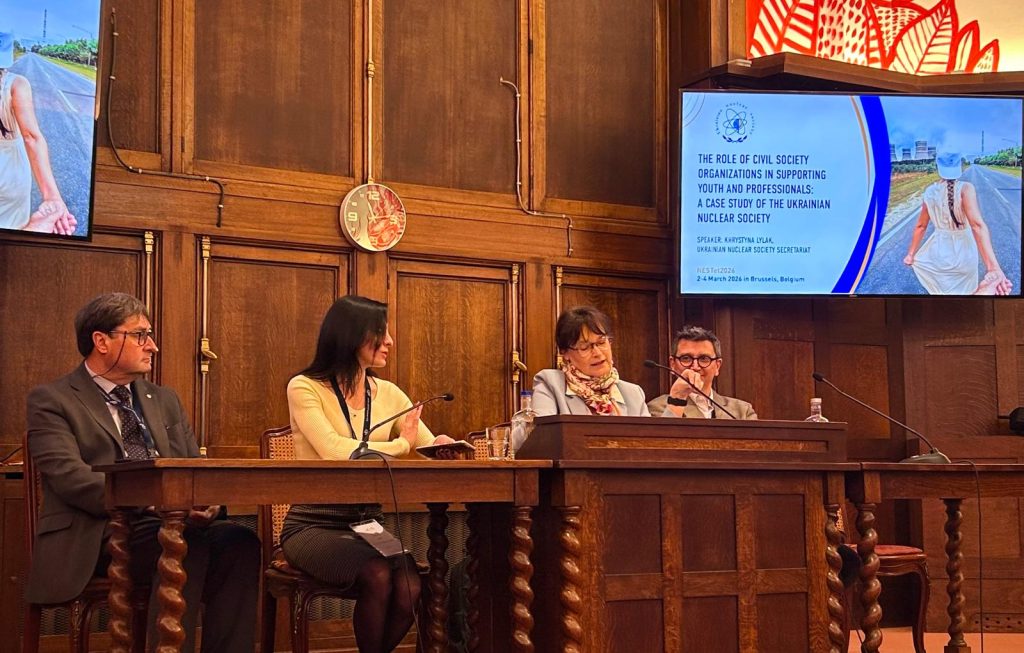
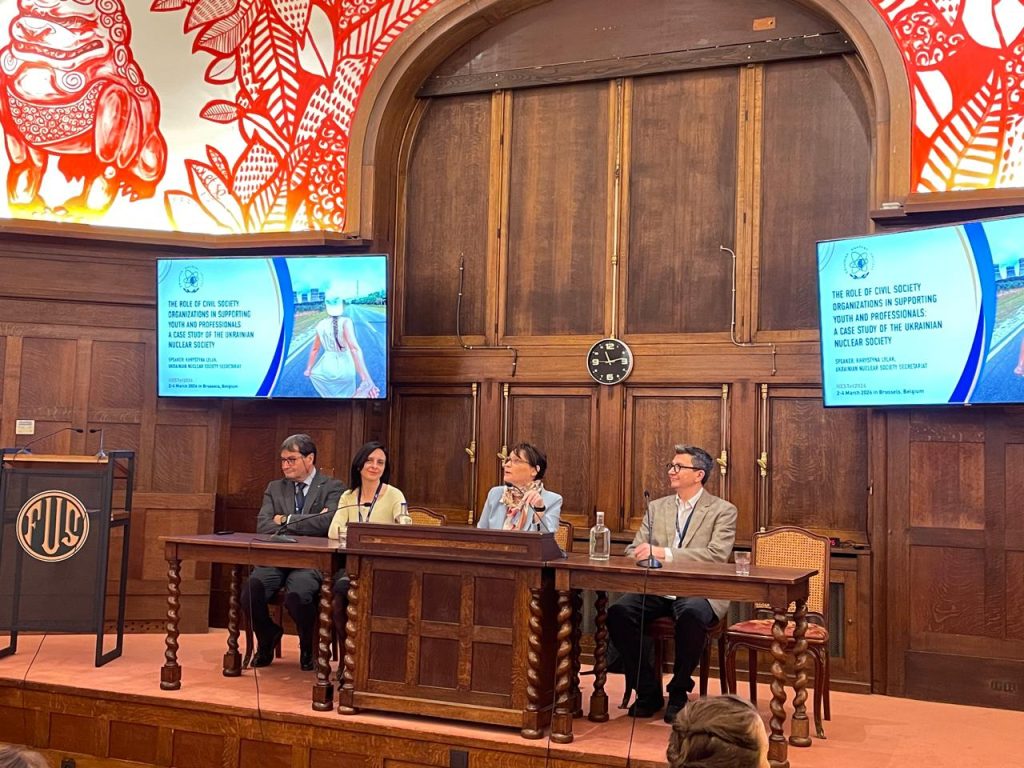
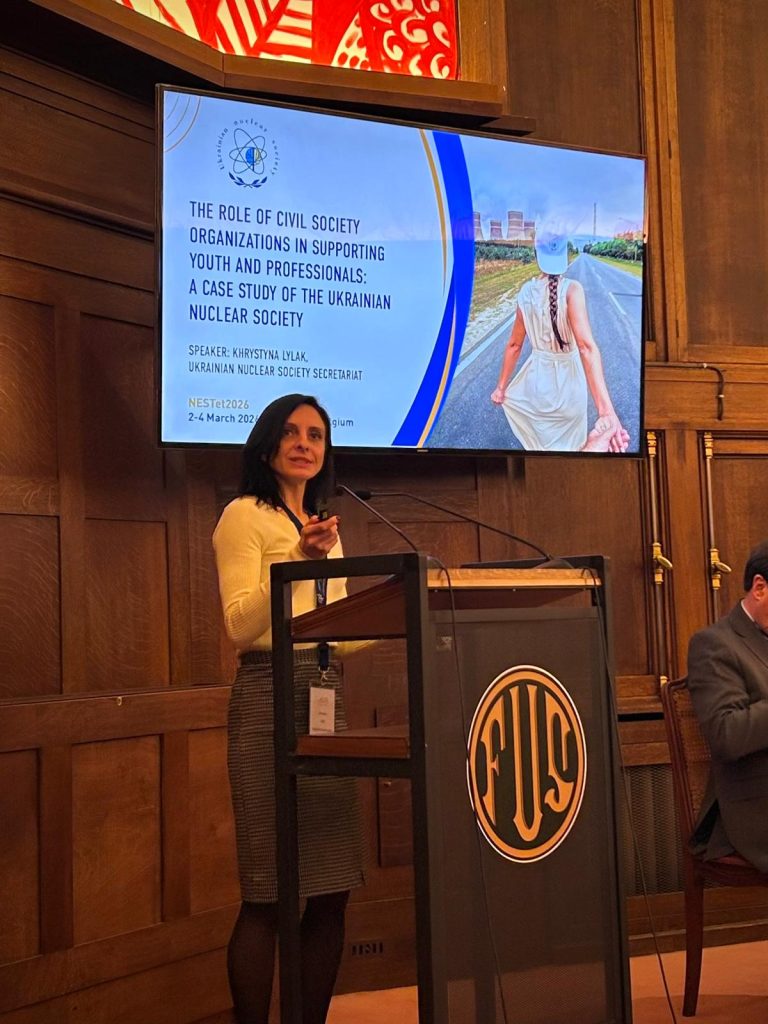
During the session dedicated to talent attraction and retention, UkrNS representative Khrystyna Lylak delivered a presentation highlighting the vital role of professional and public organizations in supporting young specialists during the ongoing conflict. Her talk showcased successful UkrNS case studies, including initiatives that assist students and young scientists in continuing their research despite daily disruptions. She further detailed the Society’s collaboration with both domestic and international universities, career events that bridge the gap between students and the industry, and the enduring strength of the “university-NPP” link under critical circumstances.
The international audience showed particular interest in how a professional NGO can act as an effective bridge between academia and industry, allowing for rapid responses to the needs of youth by supplementing large-scale state or corporate programs with flexible, grassroots solutions. This includes a diverse range of projects—from interactive “How an NPP Works” formats for school children to national essay competitions, digital career guides, and educational outreach for teachers. The report emphasized that even under the pressure of war, UkrNS continues to attract new talent, helping them secure their first professional roles and integrate into the global scientific community through partnerships with leading companies and organizations.
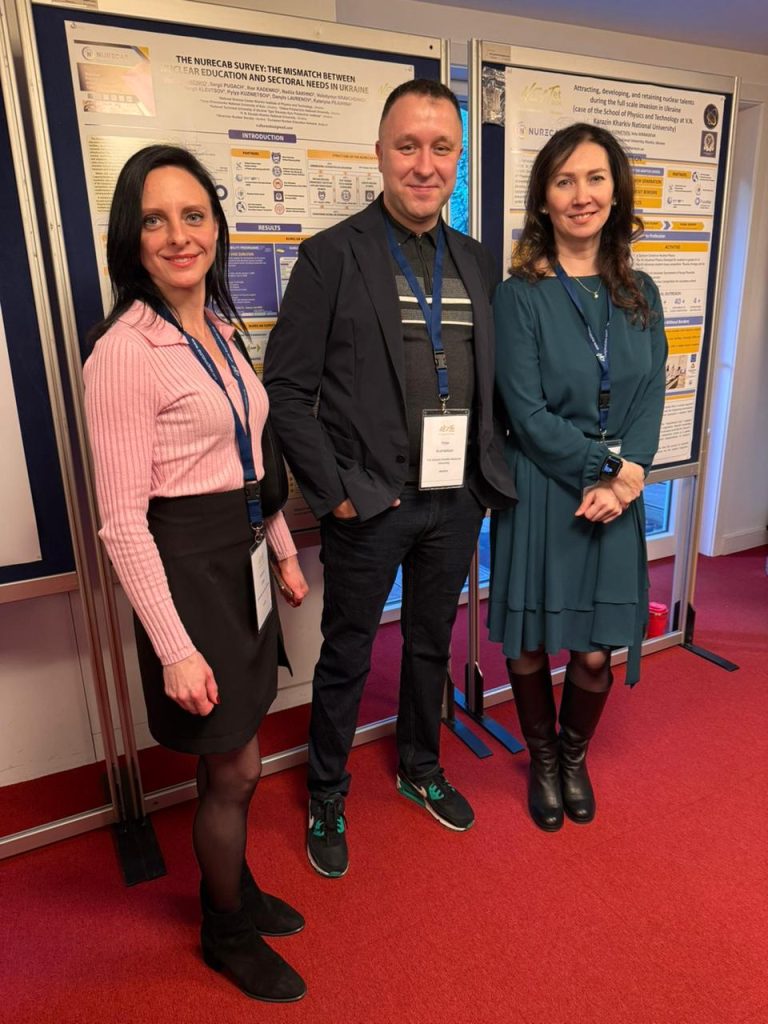
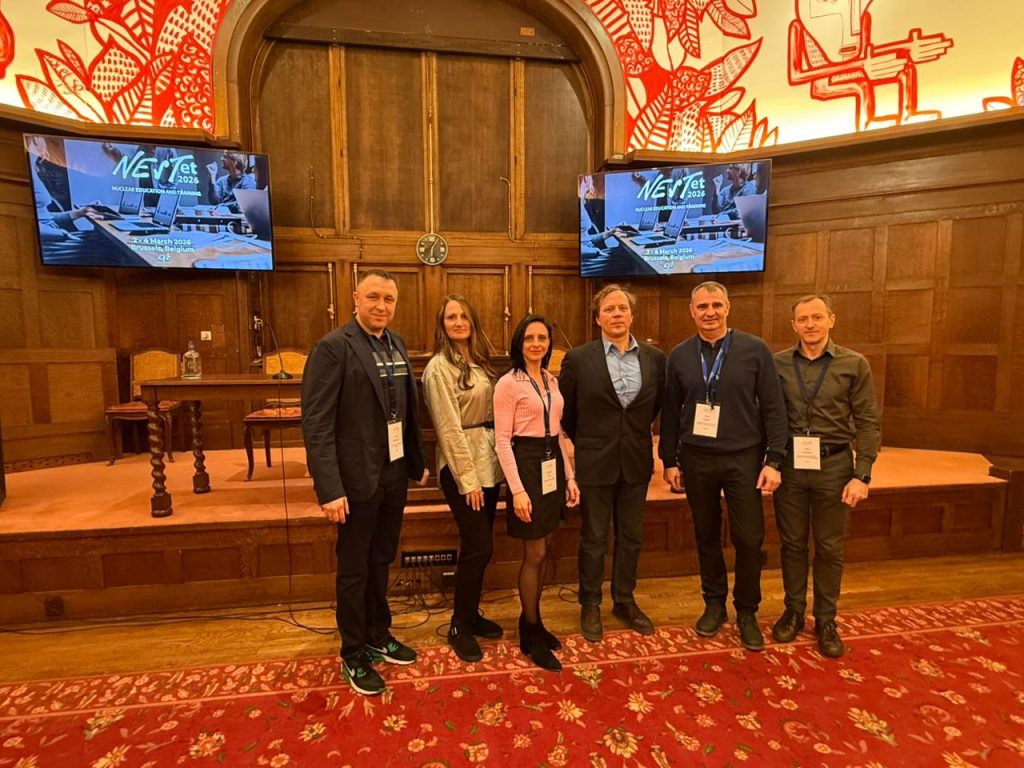
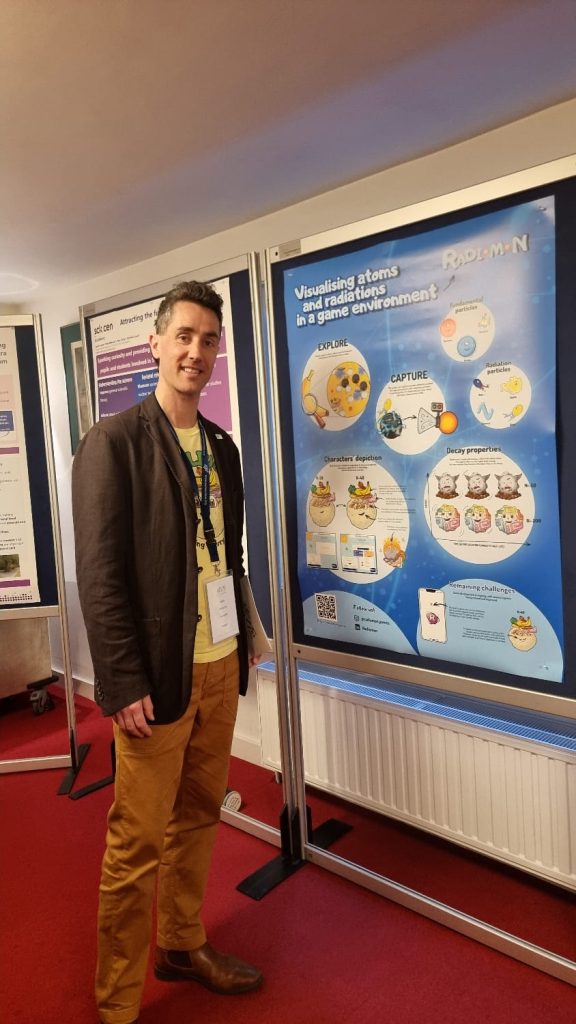
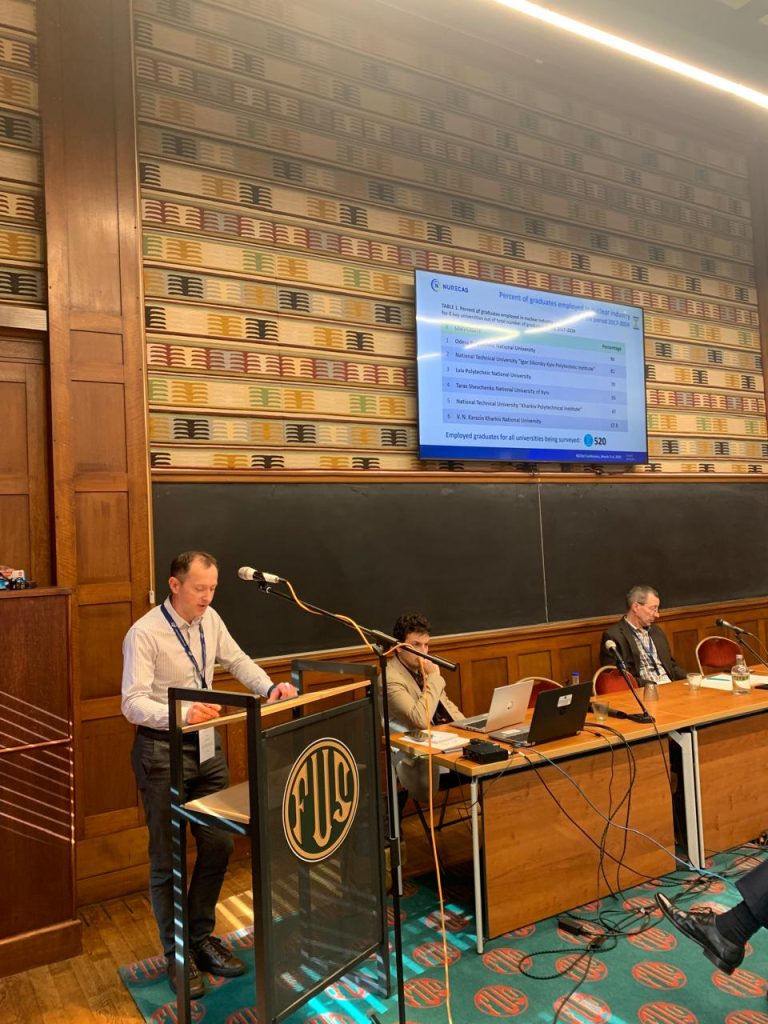
The Ukrainian delegation also featured prominent academic voices and Society board members. Dr. Pylyp Kuznietsov, Director of the Physical-Technical Faculty at V.N. Karazin Kharkiv National University, presented a poster on attracting and retaining nuclear talent during the full-scale invasion. He was joined by Volodymyr Kravchenko, Head of the NPP Department at Odesa Polytechnic National University, and Associate Professor Oleh Zotieiev.
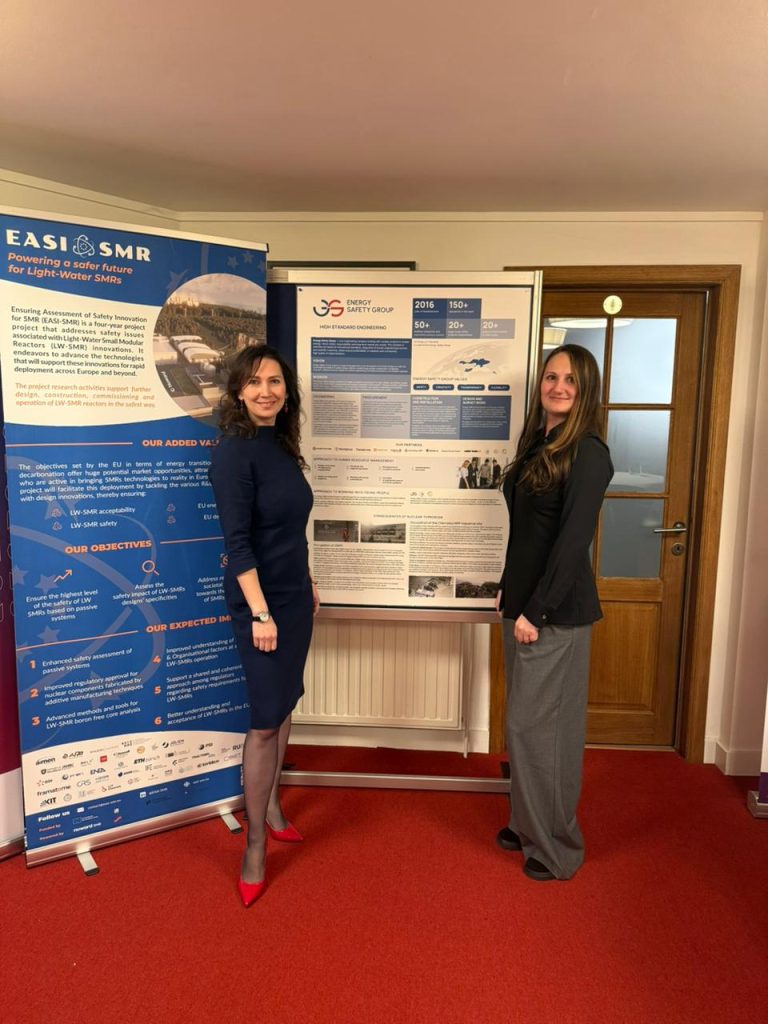
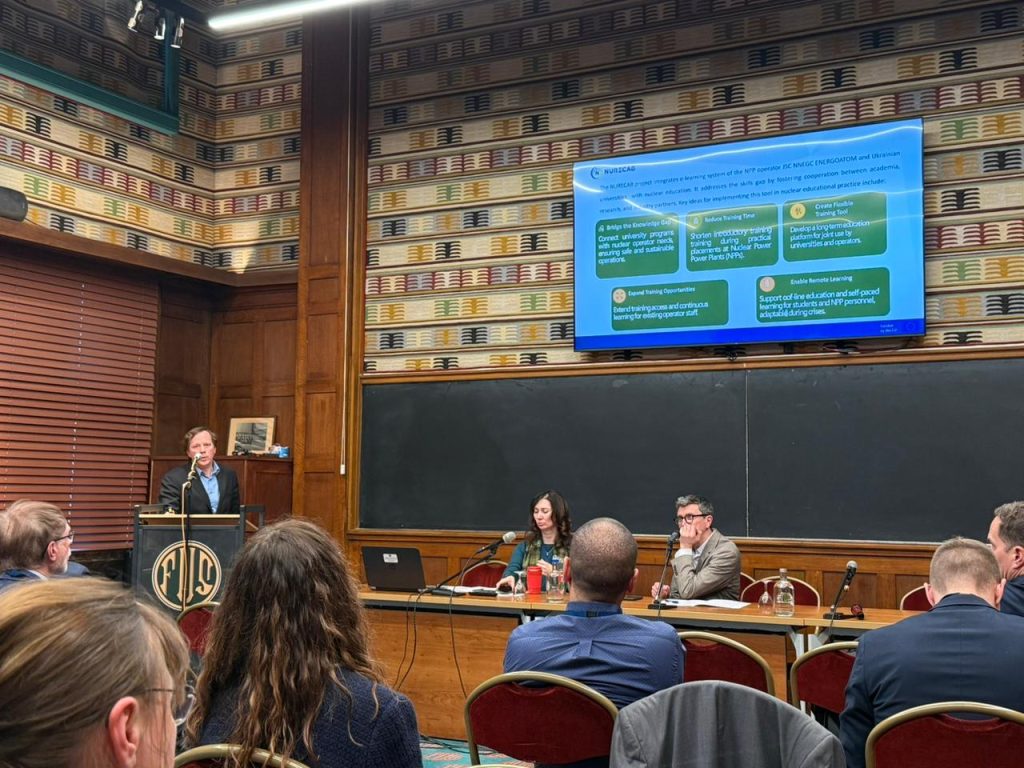
Furthermore, the conference saw contributions from several other Ukrainian institutions and research bodies. Notable presentations included Ye. Novikivskyi (Igor Sikorsky Kyiv Polytechnic Institute) on university-industry e-learning platforms; I. Kadenko and N. Sakhno (Taras Shevchenko National University of Kyiv) on research-oriented training and machine learning in nuclear education; and a joint study by the NSC “Kharkiv Institute of Physics and Technology” and the NURECAB project (V. Zhurenko, S. Puhach, K. Piliuhina, V. Kravchenko) regarding the alignment of nuclear education with industry needs. Ganna Meleshko from Energy Safety Group also shared valuable industry insights.
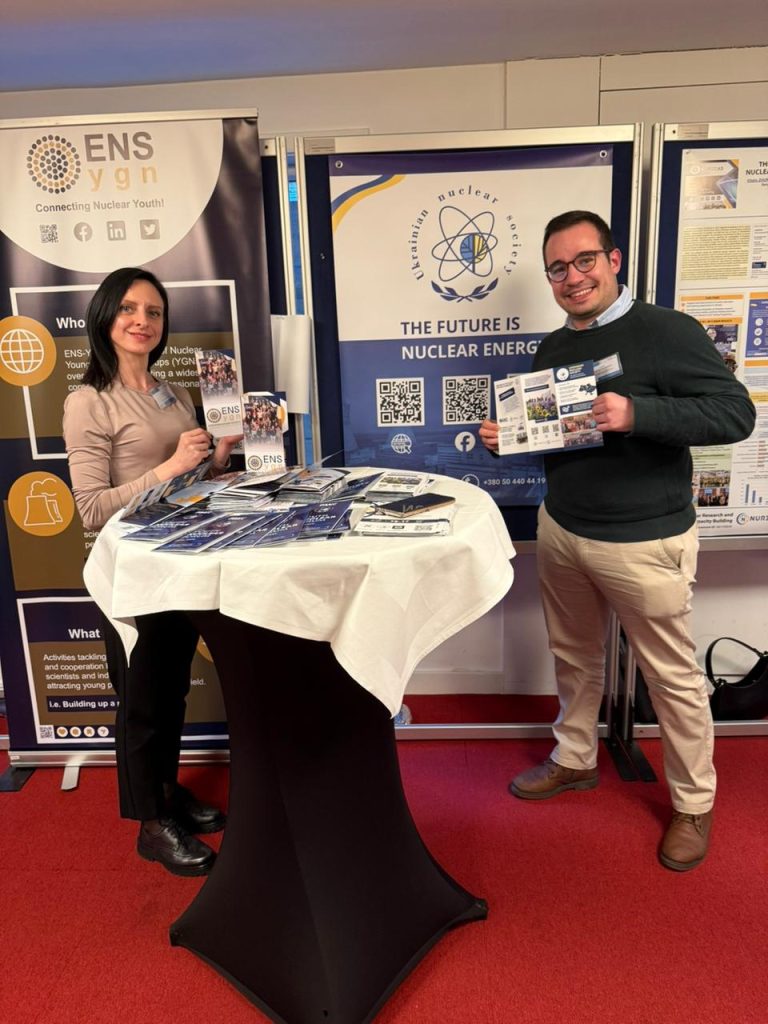
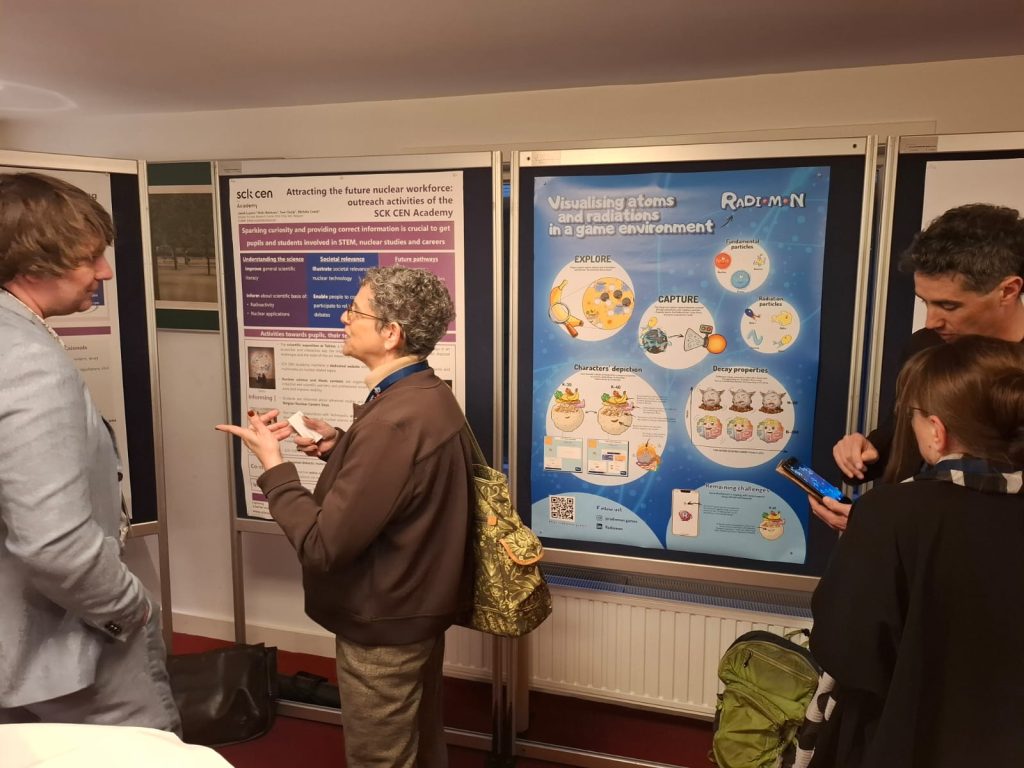
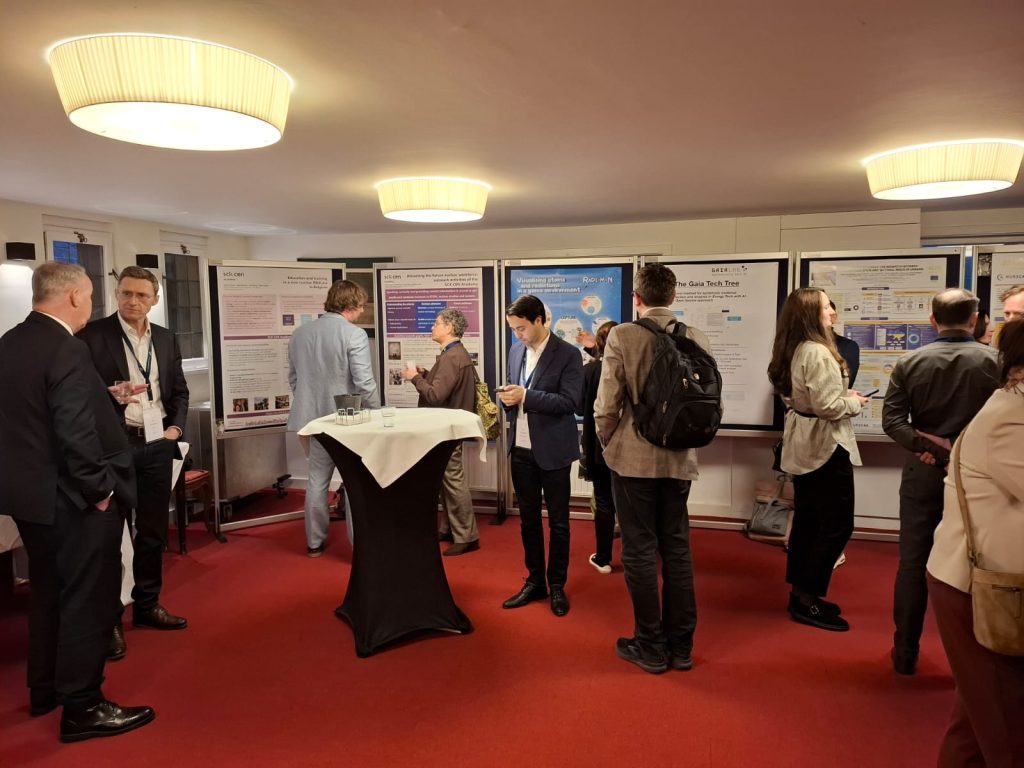
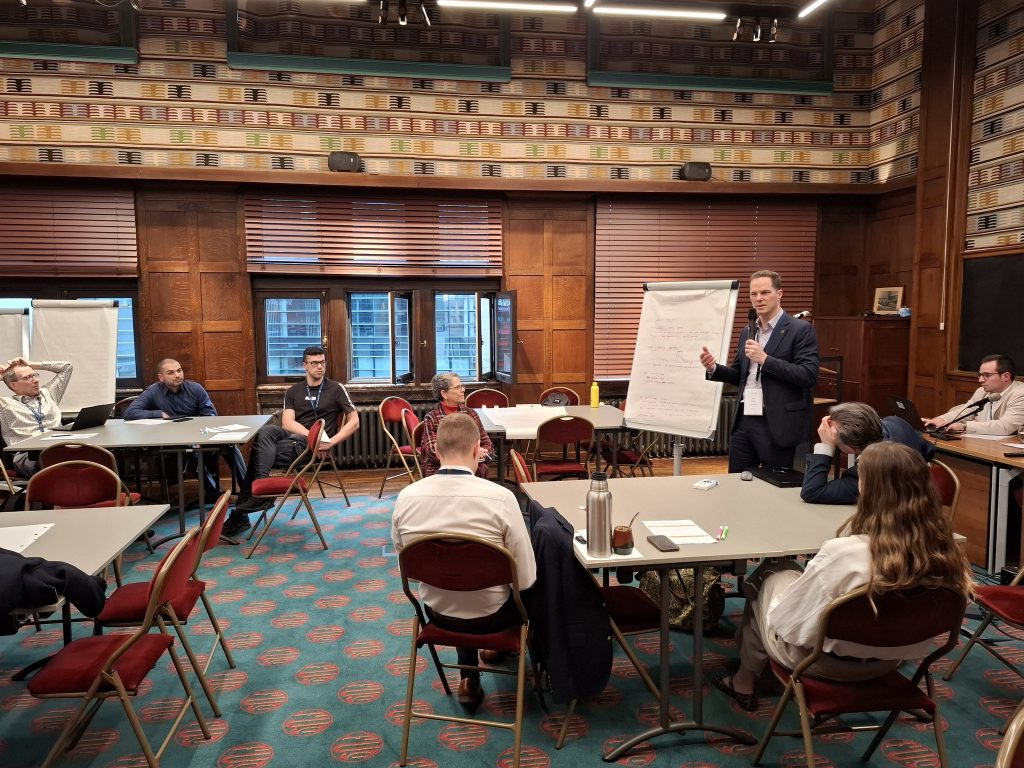
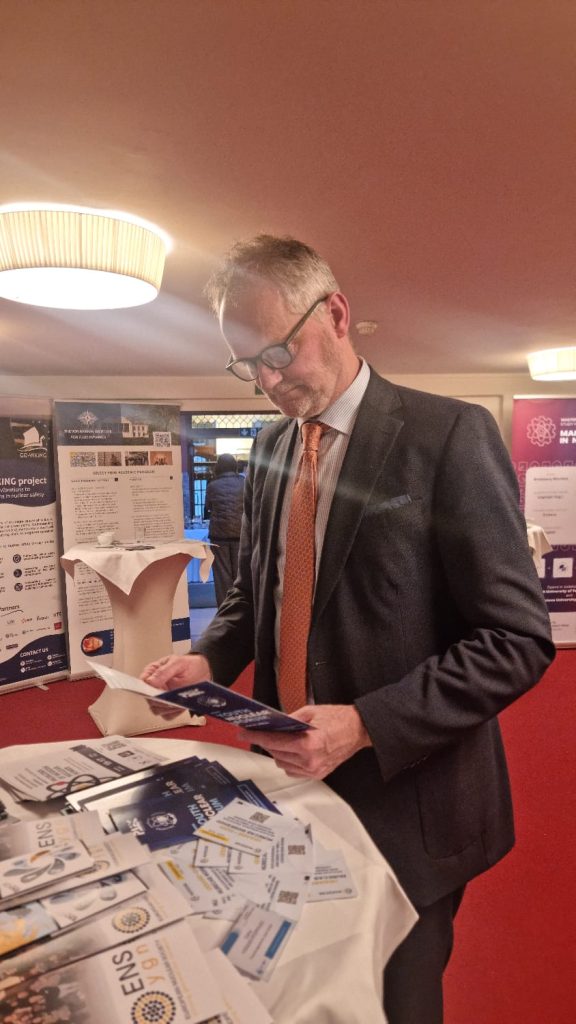
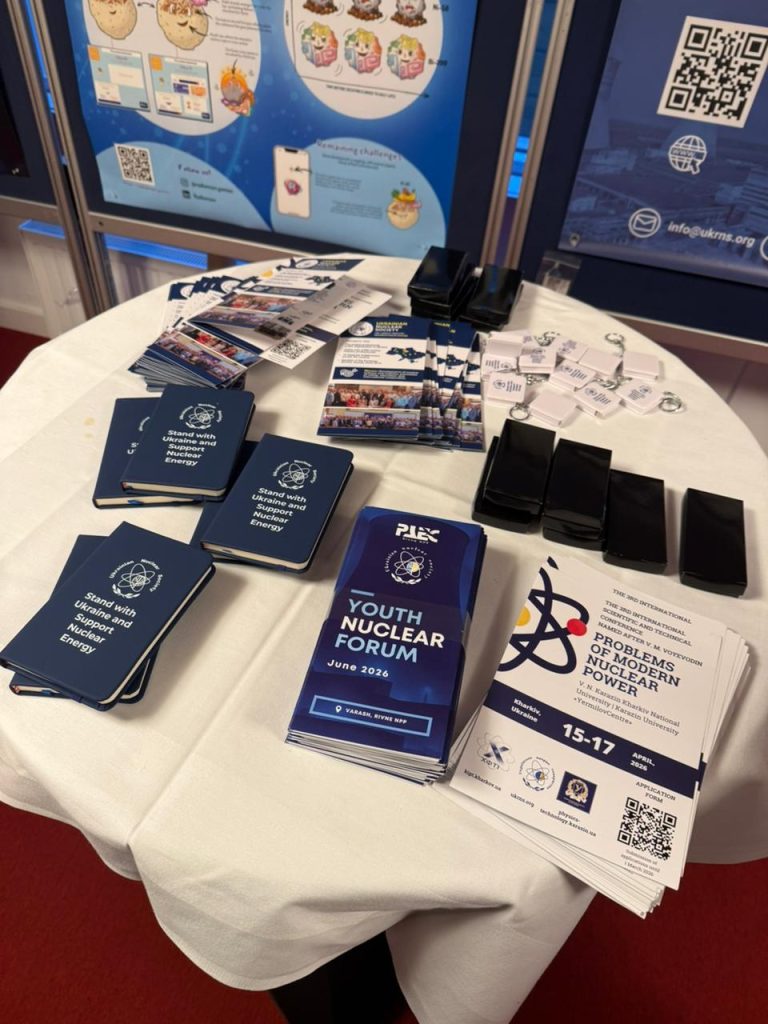
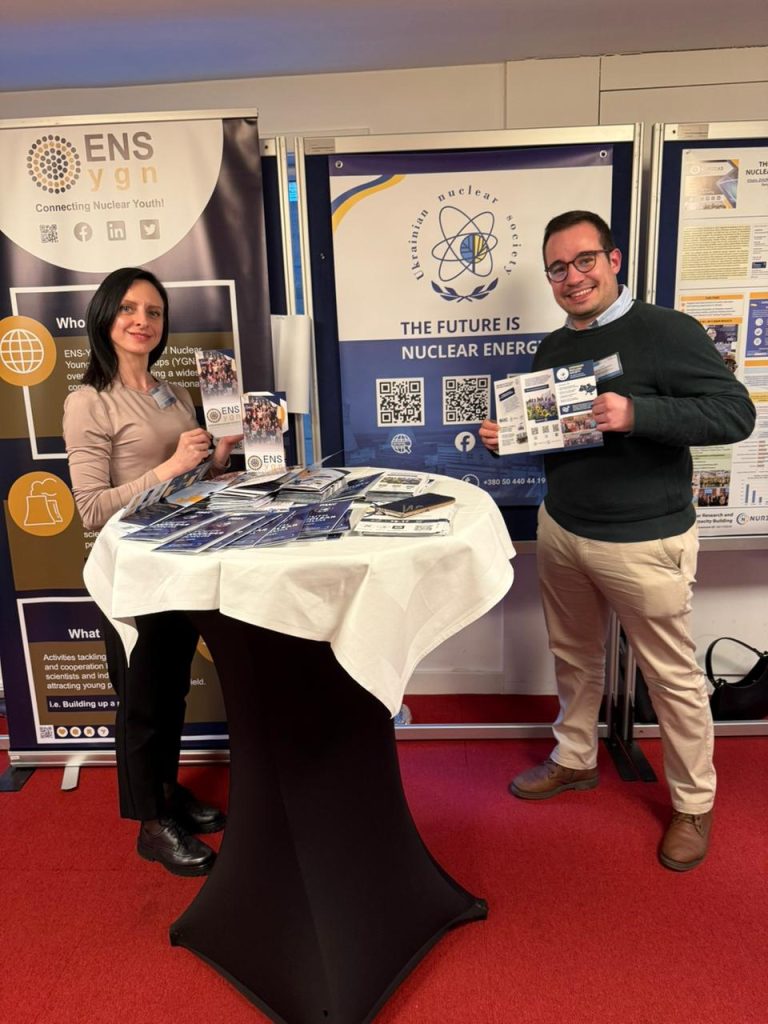
Throughout the event, UkrNS representatives actively joined discussions regarding a unified European nuclear skills strategy, emphasizing the strengthening of cooperation between academia and industry—a cornerstone of the Society’s mission in Ukraine. These dialogues transitioned into practical networking at the Skills HUB 2026 exhibition. The Ukrainian Nuclear Society’s booth became a vibrant hub for communication, where European colleagues learned more about youth-focused projects and discussed potential avenues for future cooperation. The conference concluded with a collective call for strategic investment in people as the primary asset of the nuclear sector.