Nuclear Security in Times of War: WINS Thematic Panel at NUCNEXT 2026
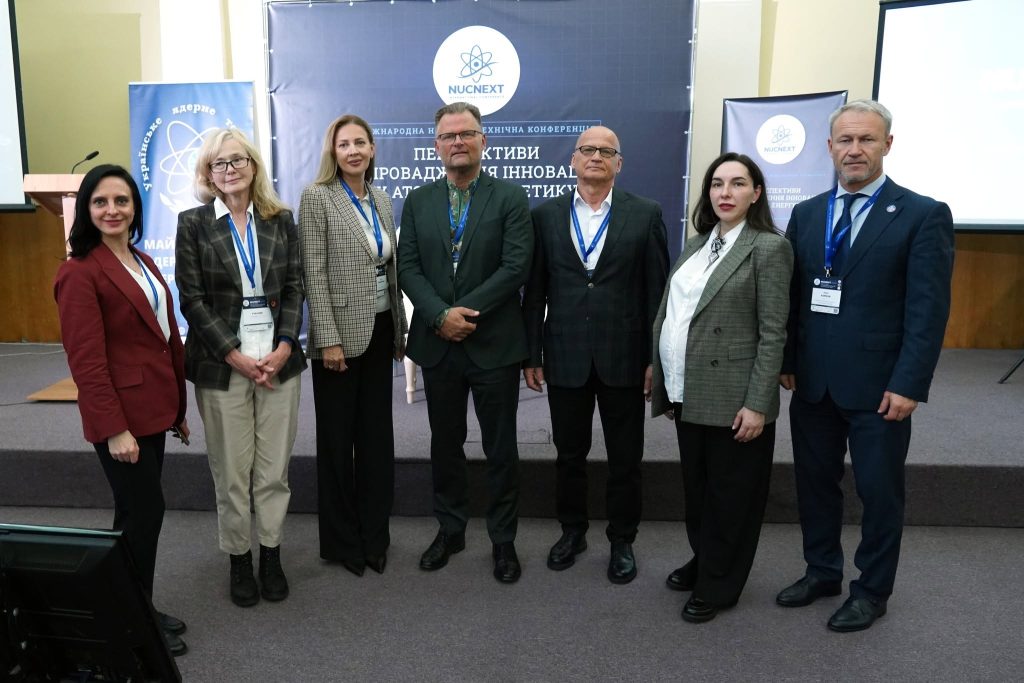
One of the key focuses of the first day of the NUCNEXT 2026 conference was a thematic panel organized with the participation of the World Institute for Nuclear Security (WINS). Its participants focused on the pressing challenges in nuclear safety and physical security that Ukraine has faced amid the full-scale war, as well as the need to adapt the regulatory framework, response systems, and physical protection practices to emerging risks.
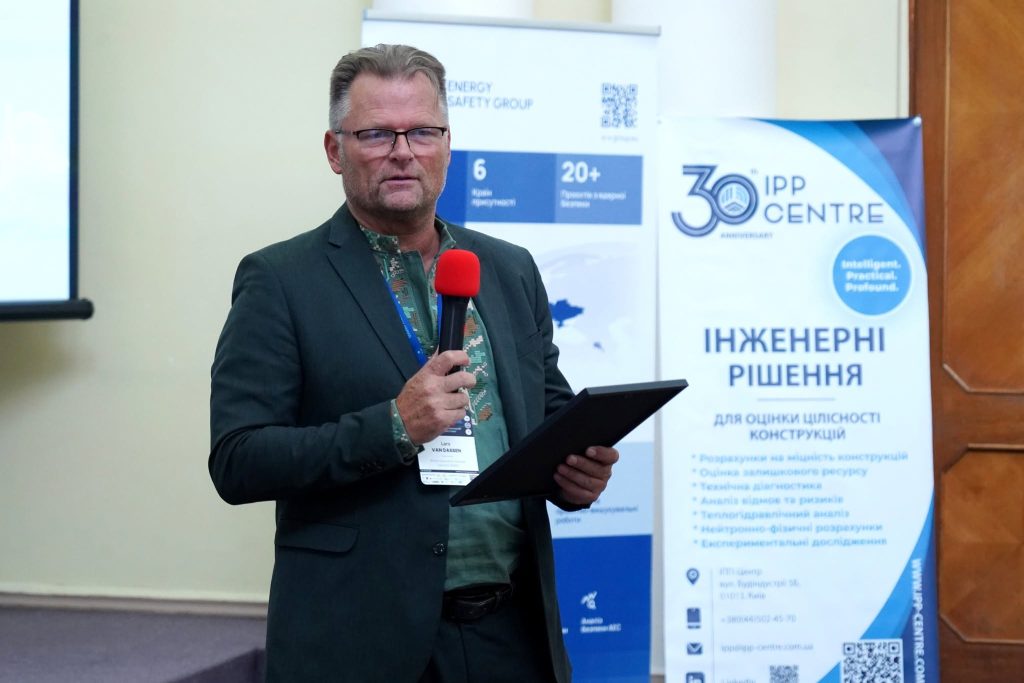
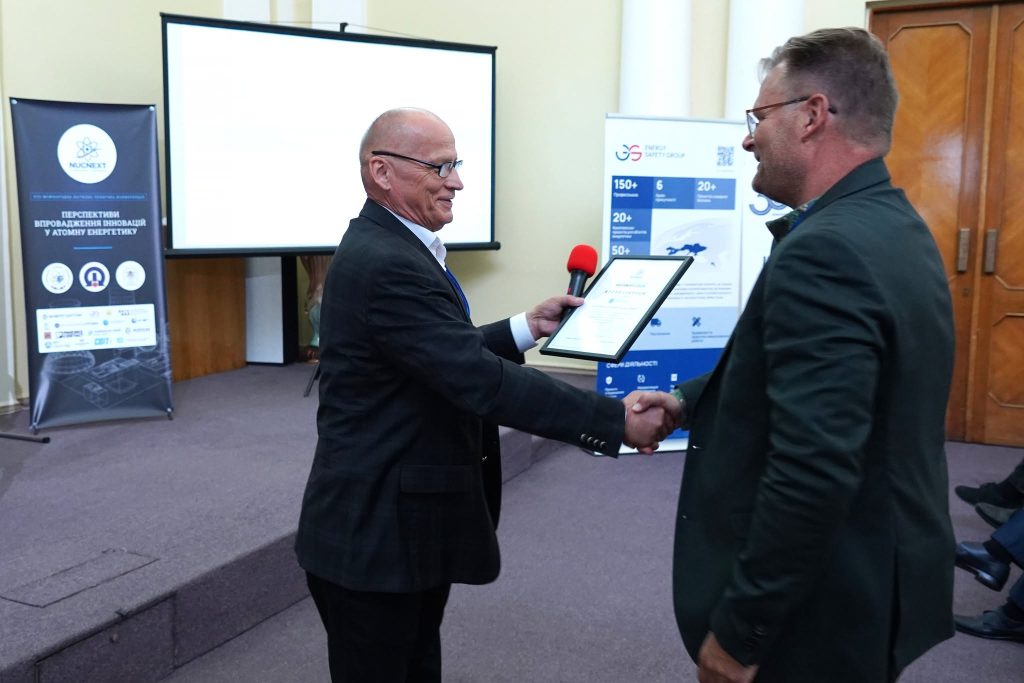
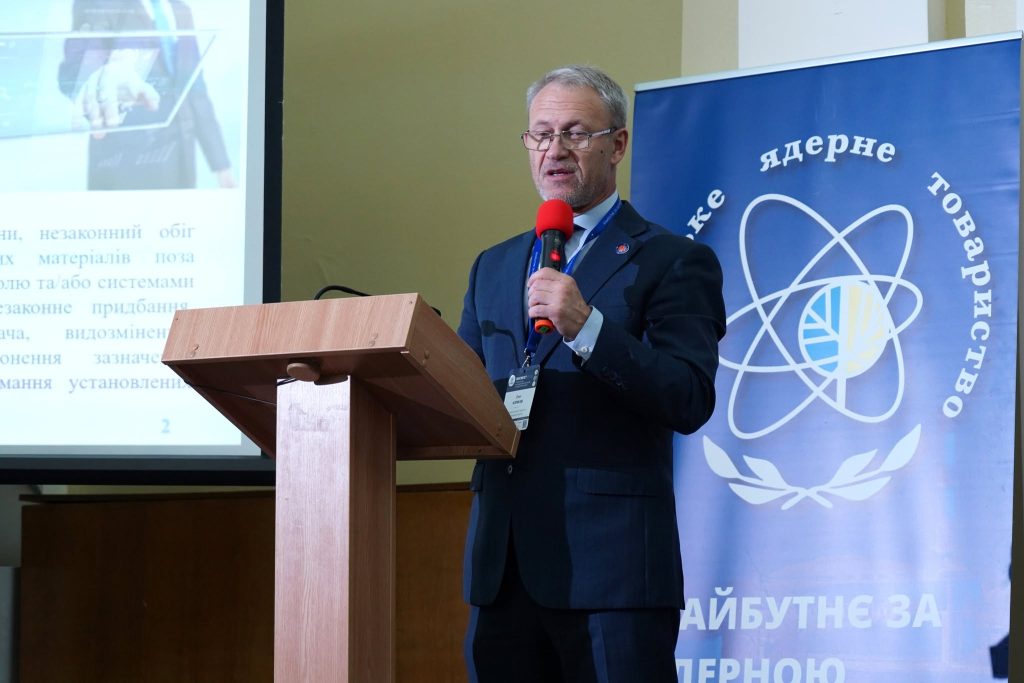
The panel was moderated by Lars van Dassen, Executive Director of WINS. Among the key speakers was Oleh Korikov, Head of the State Nuclear Regulatory Inspectorate of Ukraine (SNRIU).
Opening the panel, Lars van Dassen noted that current events in Ukraine are prompting the international community to substantially review and alter its approaches to ensuring nuclear security. According to him, a key shift is that a number of issues previously considered exclusively within the context of nuclear safety are now moving into the realm of nuclear security. At the same time, issues of nuclear safety and physical protection of nuclear facilities are increasingly gaining importance in the context of national security.
Lars van Dassen named the changing nature of threats as another crucial aspect of modern challenges: while attention was previously focused primarily on threats from terrorist groups, today discussions increasingly center on threats associated with state actions. In this context, he mentioned Russian aggression against Ukraine, Russia’s seizure of civilian nuclear facilities and their use as an instrument of terror and manipulation, and emphasized the risk of such challenges spreading to other countries.
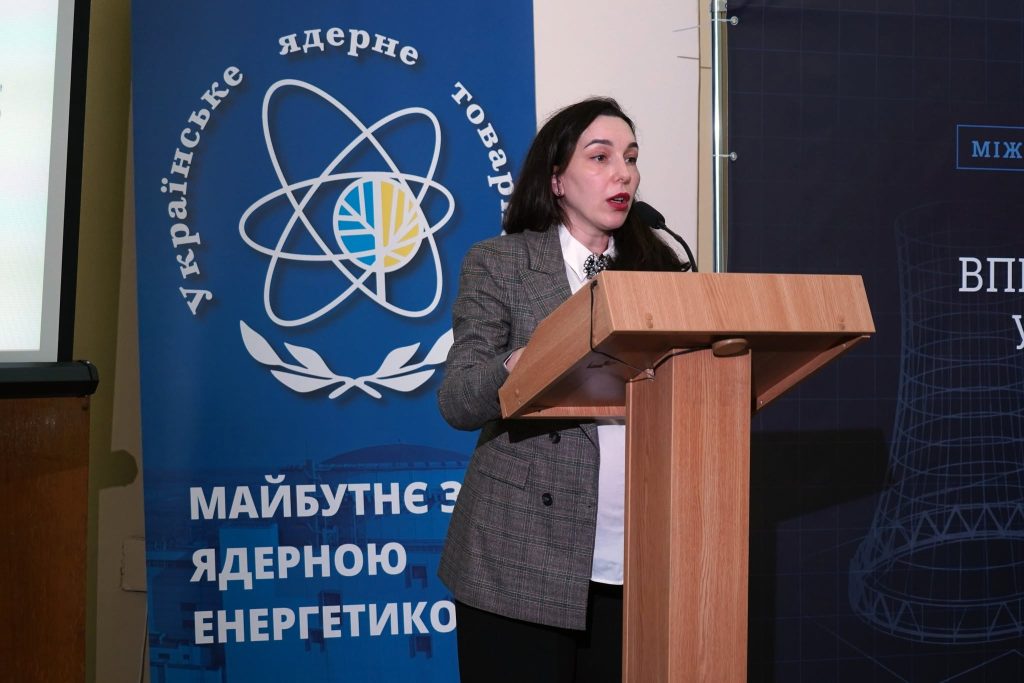
Oleh Korikov, Head of the SNRIU, detailed in his presentation the actual risks to Ukraine’s nuclear security caused by aggression and the loss of control over a portion of strategic facilities. The presentation highlighted modern monitoring technologies and preventive measures to avert the illicit trafficking of radioactive materials. The audience’s attention was particularly drawn to the discussion of Cabinet of Ministers of Ukraine Resolution No. 553, which establishes a clear algorithm for interagency cooperation among state authorities, the State Emergency Service, the National Police, the Security Service of Ukraine (SSU), and other entities in the event of the detection of suspected radioactive objects or materials.
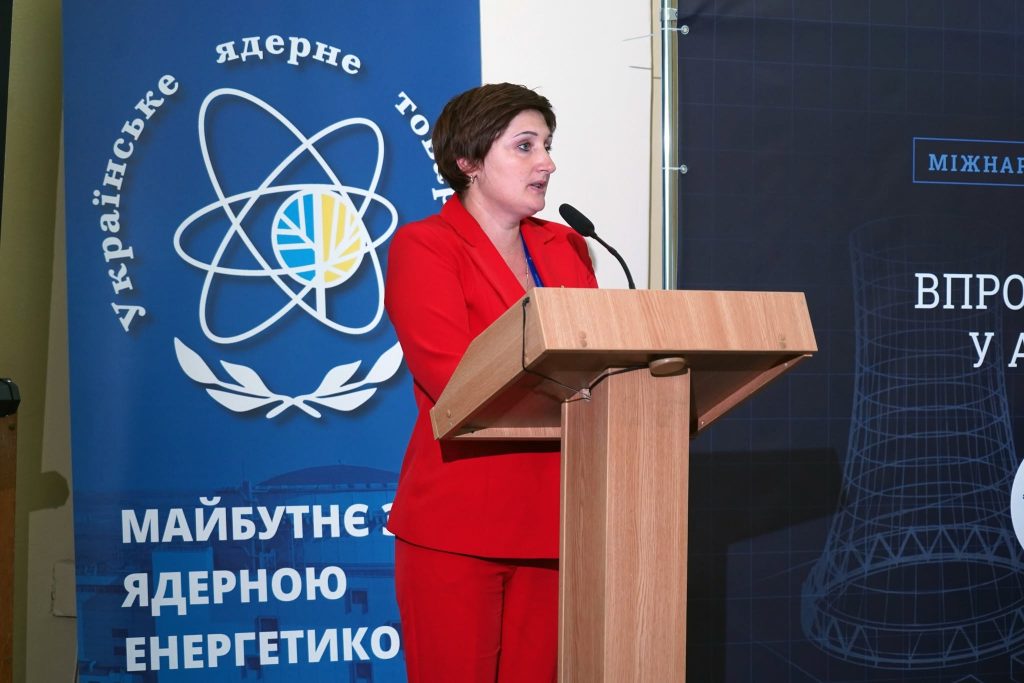
The issue of adapting physical protection legislation to martial law and occupation conditions was addressed in the presentation by Aliona Samsonenko, a representative of the Institute for Nuclear Research of the National Academy of Sciences of Ukraine. Specifically, she analyzed the gaps in the current regulatory framework regarding the management of radioactive waste and other sources of ionizing radiation during military operations. The presentation also separately examined critical issues of restoring control following de-occupation: conducting radiation surveys of territories, assessing the risks of radioactive material dispersion, and developing clear algorithms for returning to a safe operational mode.
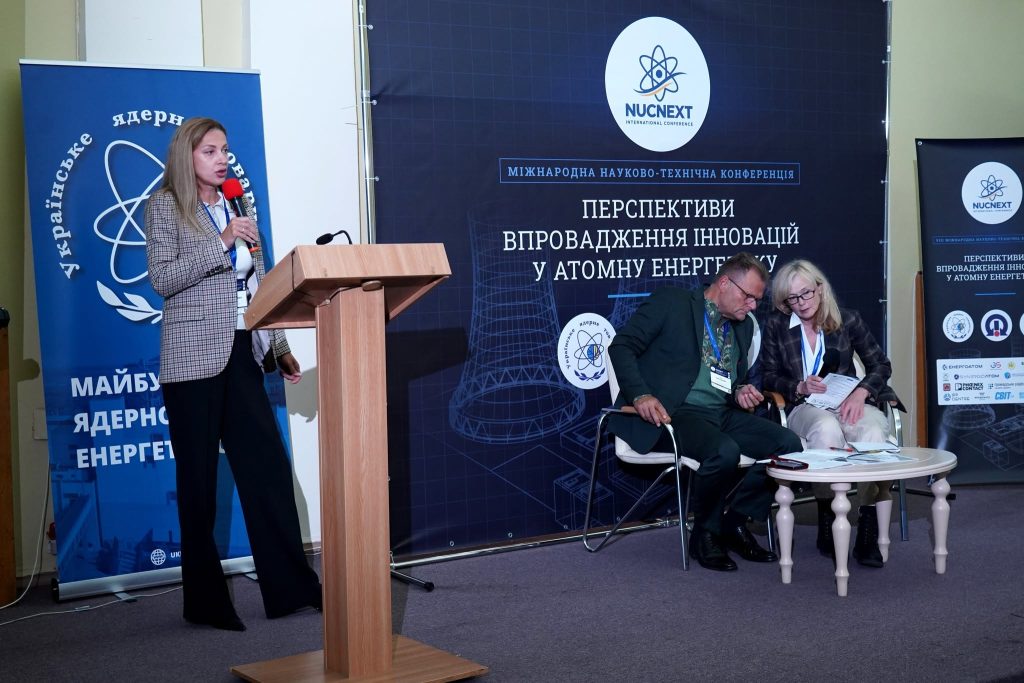
An important component of the panel featured presentations by practitioners, which broadened the understanding of the industry’s internal resilience and personnel security. Iryna Didenko, a representative of the physical protection division at JSC “NNEGC “Energoatom”, participated in the thematic panel, focusing on the psychophysiological aspects of nuclear security. The speaker presented the international insider typology model and the practical results of implementing psychological assessment and research tools at Ukrainian NPPs for early risk detection, stress management, vulnerability points identification, and preventive threat mitigation.
Iryna Cherednychenko, head of the NGO “Eco Generation,” delivered a presentation titled “Information Management in Crisis Situations within a Security Culture,” in which she explored the evolution of safety approaches from Chornobyl to modern hybrid wars and emphasized the importance of vertical and horizontal communications in the nuclear sector.
Thus, the WINS panel covered a wide range of issues – from preventing the illicit trafficking of radioactive materials and improving interagency response to the legislative enforcement of physical protection for nuclear and radiation facilities during wartime. The discussion demonstrated that modern nuclear security requires not only technological solutions, but also the continuous development of regulatory frameworks, interagency cooperation, crisis procedures, and international collaboration.